Ivydene Gardens Stage 2 - Infill Plants Index Gallery: |
Ivydene Gardens Stage 2 - Infill Plants Index Gallery: |
||||||||
Botanical Plant Name with link to |
Flower Colour Sun Aspect of Full Sun, with link to external website for photo/data |
Flowering Months with link to |
Height with Spacings or Width (W) in inches (cms) 1 inch = |
Foliage Colour followed by with link to Australia or New Zealand mail-order supplier
with data for rows in |
Plant Type is:-
followed by:-
with links to |
Comments |
Adjacent Planting |
Plant Associations It is sad to reflect that in England so few gardens open to the public label their plants or label them so that the label is visible when that plant is in flower, so that visitors can identify; and then later locate and purchase that plant. Few mail-order nurseries provide the detail as shown in my rose or heather galleries. If you want to sell a product, it is best to display it. When I sold my Transit van, I removed its signage, cleaned it and took photos of the inside and outside before putting them onto an advert in Autotrader amongst more than 2000 other Transit vans - it was sold in 20 minutes. If mail-order nurseries could put photos to the same complexity from start of the year to its end with the different foliage colours and stages of flowering on Wikimedia Commons, then the world could view the plant before buying it, and idiots like me would have valid material to work with. I have been in the trade (until ill health forced my Sole Trader retirement in 2013) working in designing, constructing and maintaining private gardens for decades and since 2005 when this site was started, I have asked any nursery in the world to supply photos. R.V. Roger in Yorkshire allowed me to use his photos from his website in 2007 and when I got a camera to spend 5 days in July 2014 at my expense taking photos of his roses growing in his nursery field, whilst his staff was propagating them. I gave him a copy of those photos. |
|
Supplier |
|
|
|
|
|
Zinnias come in a wide variety of colors with large, profuse blooms. They are truly an easy to grow annual flower. Zinnia offers many colors and mixed blooms from which to choose. |
|
Photo of Zinnia at the Desert Demonstration Garden in Las Vegas, Nevada. By Stan Shebs, via Wikimedia Commons |
Papaver 'Flamenco Dancer' Supplier |
|
|
|
|
|
Oriental Poppy ‘Flamenco Dancer’ 'Flamenco Dancer' poppy unfurls 4- to 6-inch-wide red blossoms with a deep black center in late spring to early summer. Poppies steal the show when they’re in full bloom, but later plants go dormant. Tuck other perennials around these bloomers to avoid bare spots in the garden. Oriental poppies form long taproots that resemble white carrots. Dividing isn’t always successful and is not typically recommended. Plants are hardy in Zones 3 to 7. |
|
|
Papaver rhoeas 'American Legion' Supplier |
|
|
|
|
|
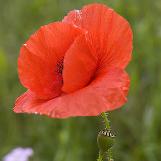
Corn poppy ‘American Legion’ (Papaver rhoeas) 'American Legion' is a Dutch variety dating to 1891. The rich red flower cups boast a white cross inside. Bees can’t resist these blossoms, so make sure you’re not carrying any indoors when you gather flowers. Gather with larkspur and daisies for a Memorial Day bouquet. |
|
Field poppy (Papaver rhoeas) in meadow. By MichaelMaggs, via Wikimedia Commons |
Celosia 'First Flame Red' Supplier |
|
|
|
|
|
Celosia 'First Flame Red' emerges out of this container and is great in warm conditions. Easy to grow euphorbia 'Glitz' commands prime real estate in the middle of this artful arrangement. The petunia 'Easy Wave Berry Velour', front and center, is easy to grow and blooms in every season. |
|
Celosia argentea var. cristata, BG Bochum. By Frank Vincentz, via Wikimedia Commons |
Lobelia cardinalis Supplier |
|
|
|
|
|
Cardinal Flower (Lobelia cardinalis) This stunner haunts moist, shady woodland areas and attracts hummingbirds for miles around. Maybe that intoxicating quality is what inspired early native Americans to make love potions from its roots. |
|
Lobelia cardinalis, near Rio Frio Cave, Cayo District, Belize. By Denis Barthel, via Wikimedia Commons (The making of this document was supported by the Community-Budget of Wikimedia Germany.) |
Petunia 'Cha-Ching-Cherry' Supplier |
|
|
|
|
|
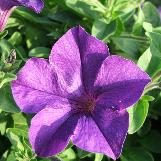
Bright, bold pinks are trending in 2014. Petunia 'Cha-Ching-Cherry' is a new introduction featuring cherry-red blooms with creamy-yellow stars in their throats. The plants have a mounding growth habit, so they're great for containers, but can also spill over the sides of baskets and window boxes. Grow them in part to full sun. |
|
Petunia x hybrida. By Jerzy Opioła, via Wikimedia Commons |
Zonal Geraniums Supplier |
|
|
|
|
|
Geraniums Flower Continuously Summer Until Frost The geranium, zonal, is an annual flower named for the horseshoe shaped band of dark color in the leaves of most varieties. They are upright bushes covered with colorful flowers on long stems held above the plant giving a burst of color. |
|
File:Pelargonium hortorum-yercaud-salem-India.JPG. Zonal geranium, succlant stem, kidney shaped leaves, pink flowers. By Yercaud-elango, via Wikimedia Commons |
Article from The Telegraph:- How to create summer colour with annual flowers Best annual flowers to sow from seed to add colour to your summer borders. By Sarah Raven 3:17PM BST 26 Apr 2010 |
|
|
|
|
|
|
||
Here's a good game to play: if some kind of crisis hits and your own personal credit crunch shrinks your garden to a few square yards, which plants would you keep as your absolute summer favourites? For me, I would major on reliability and colour. Cosmos crew My number one and two would be annuals from the cosmos family. I'd probably choose the pure white, Cosmos bipinnatus 'Purity' as my first. Its delicate, yet abundant, highly cut and feathery leaves in the brightest green, are the ideal backdrop to the clear, honest prettiness of the single white, gold-centred flowers. It's hard to beat, but I also love the rich carmine-red 'Dazzler', ideal for a different place and mood in the garden. Then there's the pale pink with carmine centre, 'Versailles Tetra' and shorter 'Antiquity', with flowers in the colours of a beautiful faded tapestry. These cosmos are perfectly designed plants, massive performers, even with a dose of healthy beginners' neglect. If you sow them now, they germinate easily within a week (particularly if you can give them a bit of heat, at about 65C). Sow them into Jiffy pellets, or sow two seeds straight into individual pots. If both seeds germinate, thin to one after a week. Then, when they have three pairs of leaves, pinch out the tips, leaving at least one pair of leaves. They're guaranteed to be in flower in 10 weeks and will be covered in hundreds of buds and flowers from then until Guy Fawkes night. Stake the taller varieties ('Purity', 'Dazzler' and 'Versailles Tetra') with a single or tripod of canes and some twine. I only water mine in an extended drought, but keep them well picked, or deadheaded through the season and - if you sear the stem end in boiling water for 20 seconds - they last a week in water. Best of the sunflowers Another definite would have to be the small-flowered, tall, bushy and prolific flowerer, Helianthus debilis 'Vanilla Ice'. This - like the cosmos - will be in flower in 10-12 weeks and you sow and grow it in exactly the same way. I love the large-flowered sunflowers, too, pollen-free florist's varieties like the deep port-wine-red, Helianthus annuus 'Chianti' (it is a pity that 6 years after this article was published, that Sarah Raven does not have Heliathus annuus 'Chianti' in her for sale list. Still, I suppose times move on!) and primrose yellow 'Valentine', but they won't be quite as floriferous as 'Vanilla Ice'. Dahlias and zinnias The cosmos and sunflowers will give you light, fluffy clouds of colour, with as much foliage as flowers, but you could also do with some meaty blooms to centre the plot and give more oomph. Grow zinnias and dahlias for that. Choose zinnias either in single colours such as the deep red, 'Benary's Giant Wine', 'Benary's Giant Purple' or 'Cactus Orange', or mix the whole lot up together in 'Giant Dahlia Mix'. Zinnias don't like cold nights, so if you want to get them going now, you're best to sow them into modules or gutter pipes and transplant from there, with no root disturbance, in about a month. Or, wait until the middle of May and sow seed where you want them in the garden. For dahlias, select two or three of the incredible doers: one of the varieties that flower for five months, bulk up quickly so the tubers survive reliably from one year to the next without lifting, and that last well in the vase so you can have a house as well as a garden full of colour. This does not apply to all dahlias, which can be quite transient once cut, but if you go for 'Rip City' (large) or 'Tamburo' (small) in crimson black, 'Karma Fuchsiana' in coral and 'Ambition' spiky and bold, in deep purple, you are on to certain winners. Put several of these tubers together - old stem uppermost - in a wooden or plastic greengrocers' crate in the next few weeks and fill the crate with damp compost. Once each tuber is beginning to shoot and the frosts are over, plant in the garden. Like the cosmos, just stake and leave them and they'll make an invaluable contribution. Great climbers I'd then add a climber to break through all this horizontal glamour, and Ipomoea lobata would be my first choice. The orange, yellow and red flame flowers of this vigorous annual are sweet and delicate - like mini Chinese pagodas - but overall, their impact on any sort of arch or tepee is tremendous and they're one of the easiest annuals to germinate and grow. Cobaea scandens (cup and saucer plant) is wonderful too, but you need to start it off early and all too often the seeds rot before they germinate, but this is not so with ipomoea. Just chuck them into a seed tray, or their own pot - again two seeds to each one - and they'll be up within the week. Lovely leaves The last two or three plants you should grow are foliage providers - the rice to go with all this curry. Scatter some seeds of Salvia viridis 'Blue' or Cerinthe major 'Purpurascens' into a seed tray, gutter - or just direct into the soil - and both will be in flower within eight weeks and give you blues and silvers to calm the richness of the rest, right through until the autumn. Special performer And finally, give one slightly trickier plant a go, Moluccella laevis (Bells of Ireland), which will still be looking good in the garden as you pick your berries and twigs for a wreath at Christmas. This can be stubborn to germinate, but should come up after the shock of a week in the freezer. Freeze a packet of seed in the next week, sow into a seed tray, then prick out into their own pots for planting in the garden in the middle of May. As long as you can find them a site in the sun, every one of these plants will give you magnificence and beauty week after week. Even if you've never sown or planted a seed or tuber, you'll be fine with these and now - this week - is the moment to start. By the end of this summer, you'll be hooked and wonder what you've looked at in previous years in your garden before you got to know these A-list stars.
ANNUALS FOR POTS Calibrachoa Million Bells Crackling Fire (Calibrachoa 'Sunbelfire') Pelargoniums Arctotis Acidanthera |
||||||||
Amaranthus tricolor (Joseph's coat) Supplier of Amaranthus tricolour 'Splendens' |
|
|
|
|
|
Amaranthus tricolour 'Splendens' feature colourful leaves in bright, stable tricolour blends of red, yellow and green. It is utterly breathtaking in mass plantings and very useful as a temporary shrub. Amaranthus tricolor (vegetable group) produces generous quantities of large tender and nutritious oval leaves (medium-green overlaid with a burgundy cast and resembling coleus). Those strains identified as vegetable amaranth are selected for their culinary attributes. Others, identified usually as Joseph’s-coat cultivars, have been selected for their colorful foliage. Amaranthus is excellent raw in salads, used as a steamed vegetable, and included in soups and stews. Other strains of Amaranthus tricolor bear large leaves in brilliant shades of red, yellow, bronze and green on handsome plants reaching up to 6 feet high. They make a strong statement in large borders, in large beds, and even in pots. |
|
Amaranthus tricolor - മലയാളം: ചുവന്ന ചീരDate19 December 2011, 00:08:45. By Manojk, via Wikimedia Commons |
The flowers are a range of colours from white to dark red, including pink, yellow and orange. Full Sun |
Jun-Aug |
72-96 x 12-24 |
The darker red variety seems to favour sandy soils, while the lighter colour seems to favour clay soils. Tolerates a wide range of soil conditions and some light shade, but will not tolerate wet winter soils. |
Alcea rosea is variously described as a biennial (having a two-year life cycle), as an annual, or as a short-lived herbaceous perennial. |
These tall showy cottage garden plants are ideal for the back of the border or against a wall or fence. Classic varieties grow from 4ft to 8ft (1.2m to 2.5m) tall. Dwarf varieties, around 3ft (1m) tall, are available for smaller gardens. Towering stems rise above the hairy, lobed leaves from early summer bearing richly coloured, near-black, single flowers, each with a yellow throat. A magnificent biennial or short-lived perennial for a cottage garden setting. |
Hollyhocks provide excellent architectural height, contrast and a certain amount of old world charm to cottage gardens and border backgrounds. Also effective when grown against walls or fences. |
Flower of Alcea rosea 'nigra', in botanical garden in Uppsala, Sweden by By Øystein Hellesøe Brekke (Own work) [CC BY-SA 3.0 (http://creativecommons.org/licenses/by-sa/3.0)], via Wikimedia Commons |
|
Antirrhinum majus (Snapdragon) Supplier of Antirrhinum majus 'Bells Pink' |
|
|
|
|
|
The common name "snapdragon", originates from the flowers' reaction to having their throats squeezed, which causes the "mouth" of the flower to snap open like a dragon's mouth. The plants are pollinated by bumblebees, and the flowers close over the insects when they enter and deposit pollen on their bodies. Cultivars range greatly in height and vary in use from bedding to mixed border and cut flowers. It is an herbaceous perennial plant, growing to 0.5–1 m tall, rarely up to 2 m. The leaves are spirally arranged, broadly lanceolate, 1–7 cm long and 2-2.5 cm broad. The flowers are produced on a tall spike, each flower is 3.5-4.5 cm long. |
|
Antirrhinum majus. By Michael Apel, via Wikimedia Commons |
Begonia x semperflorens (Wax begonia) Supplier |
|
|
|
|
|
Dwarf varieties grow to 6-8” tall and taller varieties grow to 10-12” tall. Mass in beds or borders. Edgings. Containers and window boxes. |
|
Begonia x semperflorens. Found in Rīga town, Latvia. By AfroBrazilian, via Wikimedia Commons |
Callistephus chinensis |
|
|
|
|
|
Aster 'Spider Chrysanthemum Mixed' An exclusive blend of Asters, with stunning blooms resembling a Spider Chrysanth-emum in a dazzling mixture of colours. Excellent planted en masse in borders or used as a cut flower. |
|
Bunter Strauß von Sommerastern (Callistephus chinensis). By 4028mdk09, via Wikimedia Commons |
Capsicum annuum (Ornamental pepper) Supplier |
|
|
|
|
|
Of the 5 domesticated chilli species, Capsicum annuum is the most common and extensively cultivated, both commercially and in home gardens as well. Growing capsicum annuum takes a bit of effort as they need to be started right from seed but the rewards are well worth it. The fruit is ready for harvest after about 120 days. |
|
Capsicum annuum - Place:Osaka-fu Japan • 日本語: トウガラシ(園芸品種). By I, KENPEI, via Wikimedia Commons |
Catharanthus roseus (Madagascar Periwinkle, Rosy Periwinkle, Annual Vinca, formerly known as Vinca rosea) Supplier of Vinca rosea |
|
|
|
|
|
The flowers are adapted to pollination by a long-tongued insect, such as a moth or butterfly. This species is also able to self-pollinate. Its seeds have been seen to be distributed by ants. Madagascar periwinkle is grown as a bedding plant in tropical regions and cultivated indoors as a house plant in temperate areas. It is sensitive to over-watering. It does not withstand frosts and is best grown indoors in temperate climates. Annual ground cover, bedding, edging or containers. Some varieties make excellent houseplants. |
|
A Madagascar periwinkle flower and leaves in CUHK, Hong Kong. Photo taken by Lorenzarius on 29 March 2006. • 中文名: 長春花 • Common name: Madagascar periwinkle • Scientific name: Catharanthus roseus (L.) G. Don. By Lorenzarius assumed (based on copyright claims, via Wikimedia Commons |
Celosia cristata (Crested Cockscomb, Celosia argentea var cristata) |
|
|
|
|
|
‘Jewel Box’ Mix: very dwarf plants (6 to 8” tall) in a wide variety of flower colors. The Plumosa form resemble a plume of Ostrich feathers and can grow up to 16 inches tall with a 12 inch spread. |
|
Celosia argentea var. cristata. By Frank Vincentz, via Wikimedia Commons |
|
|
|
|
|
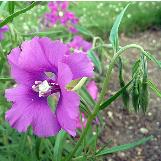
Pollinated by bees. All Clarkia make a good addition to flower beds, borders, containers, rock gardens and native wildflower plantings. This plant attracts bees and butterflies and resists deer. |
|
Clarkia pulchella. By Citron / CC-BY-SA-3.0, via Wikimedia Commons |
|
Cleome hassleriana (Spider flower) |
|
|
|
|
|
Easily grown in average, dry to medium, well-drained soils in full sun. Tolerates light shade. Best with consistent watering during the growing season, but once established, plants will tolerate some drought. |
|
The inflorescence of cultivated Cleome hassleriana. Moscow region, Russia. By Bff, via Wikimedia Commons |
Coleus (Solenostemon scutellaroides) Supplier |
|
|
|
|
|
59 results from Royal Horticultural Society. Coleus plants are durable and easy to grow. They are best known for their bright colors, and variety of foliage forms. Technically, they are a tender perennial but they are usually considered an annual plant by growers and seed producers. Coleus plants should be grown in the garden in bright, indirect light, or in partial shade. The lower growing dwarf varieties (6-12 inch) will create a colorful border, or you can use the taller (up to 36") types as a dramatic background planting.Many Coleus plants will survive full sun exposure but the foliage color is often enhanced when they are grown in the shade. Coleus are also quite striking when they are planted in a container and grown as a house plant. |
|
Plecthranthus scutellarioides. By I. Fähnrich, via Wikimedia Commons |
Consolida ambigua (Consolida ajacis, Larkspur) Supplier of Consolida ambigua (now known as Consolida ajacis, Rocket Larkspur) Supplier |
|
|
|
|
|
Excellent cut flower for fresh or dried arrangements. Easily grown from seed in loose, moderately rich, consistently moist, well-drained soils in full sun. |
|
Consolida ajacis at the Huntington Library & Botanical Gardens in San Marino, California, USA. By Stickpen (Own work) [CC0], via Wikimedia Commons |
Cosmos bipinnatus (Cosmos, Mexican Aster) |
|
|
|
|
|
Cosmos bipinnatus 'Purity' has large, open flowers of pure white, with delicate apple-green foliage. The classic cut flower and a supremely lovely garden plant, which no one should be without. |
|
Cosmos bipinnatus. By Kurt Stüber, via Wikimedia Commons |
Cuphea ignea (Firecracker plant, cigar plant) Supplier |
|
|
|
|
|
Whilst perennial, it is frost tender so either needs to be grown in the garden as an annual where it will flower almost continually until the first frosts knock it down - or lifted from the garden and grown on as a houseplant for the Winter where it will continue to flower and please. |
|
Cuphea ignea. By Kurt Stüber , via Wikimedia Commons |
Dahlia x hybrida (Dahlia) Supplier |
|
|
|
|
|
Massing in beds and borders, cut flowers |
|
Collerette Dahlia 'Teesbrooke Redeye', Orley (UK 2004). By Mark Twyning, via Wikimedia Commons |
Dianthus chinensis Supplier |
|
|
|
|
|
China pink cultivars available in commerce today are bushy compact plants that typically grow in mounds or clumps to 6-12" tall. Beds and borders. Edgings. Containers. |
|
Dianthus chinensis L., 1753 Tiếng Việt: Cẩm chướng. By Pinus, via Wikimedia Commons |
Digitalis purpurea (Foxglove) |
|
|
|
|
|
Digitalis purpurea 'Alba' is a lovely cream foxglove, which makes a beautiful cut flower and garden plant. |
|
Digitalis purpurea. In Vielha e Mijaran (Val d'Aran - Catalunya. To 1.470 m altitude. By Isidre blanc, via Wikimedia Commons |
Dimorphotheca sinuata (Cape marigold, African daisy, Namaqualand daisy) Supplier in USA and Europe to many countries in the world |
|
|
|
|
|
The striking orange flowers attract butterflies into the garden. Bees love this plant as they collect the nectar from the flowers. They are useful for rock gardens, dry banks and the front row of borders. They are, however, not good for cut flowers as they close on cloudy days and remain closed indoors. They also grow very well in poor, sandy soils. The seeds that appear soon after the flowers wilt are brownish and papery. They are easily blown away by the wind, so they need to be collected as early as possible. |
|
Dimorphotheca sinuata at the ÖBG Bayreuth. By El Grafo, via Wikimedia Commons |
Eschscholzia californica (California Poppy) |
|
|
|
|
|
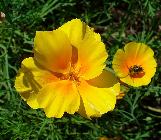
The Antelope Valley California Poppy Reserve is located in northern Los Angeles County, California. At the peak of the blooming season, orange petals seem to cover all 1,745 acres (706 ha) of the reserve. Grown en masse, with the fine dissected foliage making a tangle of stems, they are fascinating to the eye and are breathtaking in massed plantings or containers. The flowers are extremely attractive to bees and butterflies. |
|
Eschscholzia californica, Papaveraceae, California poppy, aberrant flower with six petals; Botanical Garden KIT, Karlsruhe, Germany with bee. By H. Zell, via Wikimedia Commons |
Gerbera jamesonii (Barberton Daisy, Transvaal daisy) Supplier of Gerbera jamesonii 'T&M Mixed' F2 Hybrid |
|
|
|
|
|
Gerbera jamesonii 'T&M Mixed' F2 Hybrid - Fast growing and early to flower, this special T&M blend of large- bloomed gerbera make spectacular house plants. Perfect for the patio in summer and a sunny windowsill or glasshouse during the cooler months, they'll provide months of vibrant colour. Makes excellent cut flowers. Height: 30-40cm (12-16"). |
Ideal For: patio, greenhouse, conservatory, cut flower garden Grow in average to organically rich, medium moisture, well-drained soils in full sun. |
File:Gerbera jamesonii-1.JPG reidsh-pink flower several long slender ray florets. By Varun Pabrai, via Wikimedia Commons |
Gaillardia pulchella (Indian Blanket, Firewheel, Gayflower) Supplier |
|
|
|
|
|
Growing to about 18 inches tall, this native of central and southern U.S. and Mexico is nice in a meadow, cut flower garden, border, or rock garden.
If your garden goes weeks at a time without rain, or you have dry soil that won’t hold water, don’t despair. Grow blanketflower or Gaillardia—it thrives on neglect, prefers arid conditions and looks like a party all summer long. |
|
Flower of Firewheel, also known as Indian Blanket (Gaillardia pulchella). By Wing-Chi Poon, via Wikimedia Commons |
Gazania rigens (Gazania) Supplier |
|
|
|
|
|
This easy-to-grow bloom is tolerant of poor, dry or sandy soil. Heat and salty spray don’t deter its growth or beautiful blossoms either, making it a perfect specimen for ocean-front growing. Gazania rigens blooms close at night; thrives in hot, dry conditions; requires little maintenance. |
|
Yellow flower of Gazania rigens. By Alvesgaspar, via Wikimedia Commons |
Gypsophila elegans (Baby's Breath) |
|
|
|
|
|
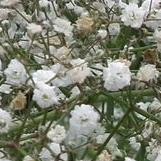
The flowers can be cut and dried and used during the winter months. The plants themselves are useful in the hardy border, or as pot plants. Easily grown from seed it blooms 6 weeks from the day it was sown.
If you are short of space, broadcast seed in the bulb bed and it will do a great job of hiding their faded foliage in summer. |
|
Gypsophila elegans from Lalbagh Garden, Bangalore, INDIA during the Annual flower show in August 2011. By Rameshng, via Wikimedia Commons |
Annie's has 69 Orange Red Flower Annuals Annie's has 43 Pink Magenta Flower Annuals |
||||||||








STAGE 2 |
STAGE 1 GARDEN STYLE INDEX GALLERY PAGES Links to pages in Table alongside on the left with Garden Design Topic Pages |
||||||||||||||||||||||||||||||||||||||||||||||||||||||||||||||||||||||||||||||||||||||||||||||||||||||||||||||||||||||||||||||||||||||||||||||||||||||||||||||||||||||||||||||||||||||||||||||||||||||||||
Plant Type |
STAGE 2 INFILL PLANT INDEX GALLERIES 1, 2, 3 with its Cultivation Requirements |
||||||||||||||||||||||||||||||||||||||||||||||||||||||||||||||||||||||||||||||||||||||||||||||||||||||||||||||||||||||||||||||||||||||||||||||||||||||||||||||||||||||||||||||||||||||||||||||||||||||||||
Alpines for Rock Garden (See Rock Garden Plant Flowers) |
Alpines and Walls |
||||||||||||||||||||||||||||||||||||||||||||||||||||||||||||||||||||||||||||||||||||||||||||||||||||||||||||||||||||||||||||||||||||||||||||||||||||||||||||||||||||||||||||||||||||||||||||||||||||||||||
Aquatic |
Water-side Plants |
Wildlife Pond Plants |
|||||||||||||||||||||||||||||||||||||||||||||||||||||||||||||||||||||||||||||||||||||||||||||||||||||||||||||||||||||||||||||||||||||||||||||||||||||||||||||||||||||||||||||||||||||||||||||||||||||||||
Annual for ----------------
|
Cut Flowers |
||||||||||||||||||||||||||||||||||||||||||||||||||||||||||||||||||||||||||||||||||||||||||||||||||||||||||||||||||||||||||||||||||||||||||||||||||||||||||||||||||||||||||||||||||||||||||||||||||||||||||
Scent / Fra-grance with Annuals for Cool or Shady Places from 1916 |
Low-allergen Gardens for Hay Fever Sufferers |
Annual Plant Pairing Ideas and Colour Schemes with Annuals |
Medium-Growing Annuals |
Tall-Growing Annuals with White Flowers from 1916 |
|||||||||||||||||||||||||||||||||||||||||||||||||||||||||||||||||||||||||||||||||||||||||||||||||||||||||||||||||||||||||||||||||||||||||||||||||||||||||||||||||||||||||||||||||||||||||||||||||||||||
Black or Brown Flowers |
Blue to Purple Flowers |
Green Flowers with Annuals and Biennials from 1916 |
|||||||||||||||||||||||||||||||||||||||||||||||||||||||||||||||||||||||||||||||||||||||||||||||||||||||||||||||||||||||||||||||||||||||||||||||||||||||||||||||||||||||||||||||||||||||||||||||||||||||||
Vining Annuals |
|
||||||||||||||||||||||||||||||||||||||||||||||||||||||||||||||||||||||||||||||||||||||||||||||||||||||||||||||||||||||||||||||||||||||||||||||||||||||||||||||||||||||||||||||||||||||||||||||||||||||||||
Bedding for |
Bedding for Light Sandy Soil |
Bedding for Acid Soil |
Bedding for Chalky Soil |
Bedding for Clay Soil |
|||||||||||||||||||||||||||||||||||||||||||||||||||||||||||||||||||||||||||||||||||||||||||||||||||||||||||||||||||||||||||||||||||||||||||||||||||||||||||||||||||||||||||||||||||||||||||||||||||||||
Attract-ive to Wildlife including Bees, Butterflies and Moths |
|||||||||||||||||||||||||||||||||||||||||||||||||||||||||||||||||||||||||||||||||||||||||||||||||||||||||||||||||||||||||||||||||||||||||||||||||||||||||||||||||||||||||||||||||||||||||||||||||||||||||||
Bedding Plant Use |
|||||||||||||||||||||||||||||||||||||||||||||||||||||||||||||||||||||||||||||||||||||||||||||||||||||||||||||||||||||||||||||||||||||||||||||||||||||||||||||||||||||||||||||||||||||||||||||||||||||||||||
Use in Hanging Baskets |
|||||||||||||||||||||||||||||||||||||||||||||||||||||||||||||||||||||||||||||||||||||||||||||||||||||||||||||||||||||||||||||||||||||||||||||||||||||||||||||||||||||||||||||||||||||||||||||||||||||||||||
Flower Simple Shape |
Shape of |
Shape of |
Shape of |
Shape of |
Shape of |
Use in Pots and Troughs |
|||||||||||||||||||||||||||||||||||||||||||||||||||||||||||||||||||||||||||||||||||||||||||||||||||||||||||||||||||||||||||||||||||||||||||||||||||||||||||||||||||||||||||||||||||||||||||||||||||||
Flower Elabo-rated Shape |
Shape of |
Shape of |
Shape of |
|
Use in |
Use in |
|||||||||||||||||||||||||||||||||||||||||||||||||||||||||||||||||||||||||||||||||||||||||||||||||||||||||||||||||||||||||||||||||||||||||||||||||||||||||||||||||||||||||||||||||||||||||||||||||||||
Shape of |
Shape of |
Shape of |
Shape of |
|
Use in Bedding Out |
Use in |
|||||||||||||||||||||||||||||||||||||||||||||||||||||||||||||||||||||||||||||||||||||||||||||||||||||||||||||||||||||||||||||||||||||||||||||||||||||||||||||||||||||||||||||||||||||||||||||||||||||
Biennial for |
Patio Con-tainers with Biennials for Pots in Green-house / Con-servatory |
Bene-ficial to Wildlife with Purple and Blue Flowers from 1916 |
|
|
|||||||||||||||||||||||||||||||||||||||||||||||||||||||||||||||||||||||||||||||||||||||||||||||||||||||||||||||||||||||||||||||||||||||||||||||||||||||||||||||||||||||||||||||||||||||||||||||||||||||
Bulb for |
Indoor Bulbs for Sep-tember |
Bulbs in Window-boxes |
|||||||||||||||||||||||||||||||||||||||||||||||||||||||||||||||||||||||||||||||||||||||||||||||||||||||||||||||||||||||||||||||||||||||||||||||||||||||||||||||||||||||||||||||||||||||||||||||||||||||||
Any Plant Type (some grown in Cool Green-house) Bloom-ing in |
Any Plant Type (some grown in Cool Green-house) Bloom-ing in |
Any Plant Type (some grown in Cool Green-house) Bloom-ing in |
Any Plant Type Blooming in Smallest of Gardens |
||||||||||||||||||||||||||||||||||||||||||||||||||||||||||||||||||||||||||||||||||||||||||||||||||||||||||||||||||||||||||||||||||||||||||||||||||||||||||||||||||||||||||||||||||||||||||||||||||||||||
Bulbs in Green-house or Stove |
Achi-menes, Alocasias, Amorpho-phalluses, Aris-aemas, Arums, Begonias, Bomar-eas, Calad-iums |
Clivias, |
|||||||||||||||||||||||||||||||||||||||||||||||||||||||||||||||||||||||||||||||||||||||||||||||||||||||||||||||||||||||||||||||||||||||||||||||||||||||||||||||||||||||||||||||||||||||||||||||||||||||||
Hardy Bulbs
|
Amaryllis, Antheri-cum, Antholy-zas, Apios, Arisaema, Arum, Aspho-deline, |
Cyclamen, Dicentra, Dierama, Eranthis, Eremurus, Ery-thrnium, Eucomis |
Fritillaria, Funkia, Gal-anthus, Galtonia, Gladiolus, Hemero-callis |
Hya-cinth, Hya-cinths in Pots, |
|||||||||||||||||||||||||||||||||||||||||||||||||||||||||||||||||||||||||||||||||||||||||||||||||||||||||||||||||||||||||||||||||||||||||||||||||||||||||||||||||||||||||||||||||||||||||||||||||||||||
|
Lilium in Pots, Malvastrum, Merendera, Milla, Narcissus, Narcissi in Pots |
Half-Hardy Bulbs |
Gladioli, Ixias, |
Plant each Bedding Plant with a Ground, Edging or Dot Plant for |
||||||||||||||||||||||||||||||||||||||||||||||||||||||||||||||||||||||||||||||||||||||||||||||||||||||||||||||||||||||||||||||||||||||||||||||||||||||||||||||||||||||||||||||||||||||||||||||||||||||||
Climber 3 sector Vertical Plant System with
---------- |
1a. |
1b. |
|
||||||||||||||||||||||||||||||||||||||||||||||||||||||||||||||||||||||||||||||||||||||||||||||||||||||||||||||||||||||||||||||||||||||||||||||||||||||||||||||||||||||||||||||||||||||||||||||||||||||||
2b. |
3a. |
3c. |
Raised |
Plants for Wildlife-Use as well |
|||||||||||||||||||||||||||||||||||||||||||||||||||||||||||||||||||||||||||||||||||||||||||||||||||||||||||||||||||||||||||||||||||||||||||||||||||||||||||||||||||||||||||||||||||||||||||||||||||||||
Least prot-ruding growth when fan-trained |
|||||||||||||||||||||||||||||||||||||||||||||||||||||||||||||||||||||||||||||||||||||||||||||||||||||||||||||||||||||||||||||||||||||||||||||||||||||||||||||||||||||||||||||||||||||||||||||||||||||||||||
Needs Conserv-atory or Green-house |
|||||||||||||||||||||||||||||||||||||||||||||||||||||||||||||||||||||||||||||||||||||||||||||||||||||||||||||||||||||||||||||||||||||||||||||||||||||||||||||||||||||||||||||||||||||||||||||||||||||||||||
Climber - Simple Flower Shape |
|
|
|
|
|
||||||||||||||||||||||||||||||||||||||||||||||||||||||||||||||||||||||||||||||||||||||||||||||||||||||||||||||||||||||||||||||||||||||||||||||||||||||||||||||||||||||||||||||||||||||||||||||||||||||
Climber - Elabo-rated Flower Shape |
|
|
|
|
|
|
|||||||||||||||||||||||||||||||||||||||||||||||||||||||||||||||||||||||||||||||||||||||||||||||||||||||||||||||||||||||||||||||||||||||||||||||||||||||||||||||||||||||||||||||||||||||||||||||||||||
|
|||||||||||||||||||||||||||||||||||||||||||||||||||||||||||||||||||||||||||||||||||||||||||||||||||||||||||||||||||||||||||||||||||||||||||||||||||||||||||||||||||||||||||||||||||||||||||||||||||||||||||
|
|||||||||||||||||||||||||||||||||||||||||||||||||||||||||||||||||||||||||||||||||||||||||||||||||||||||||||||||||||||||||||||||||||||||||||||||||||||||||||||||||||||||||||||||||||||||||||||||||||||||||||
|
|||||||||||||||||||||||||||||||||||||||||||||||||||||||||||||||||||||||||||||||||||||||||||||||||||||||||||||||||||||||||||||||||||||||||||||||||||||||||||||||||||||||||||||||||||||||||||||||||||||||||||
|
|||||||||||||||||||||||||||||||||||||||||||||||||||||||||||||||||||||||||||||||||||||||||||||||||||||||||||||||||||||||||||||||||||||||||||||||||||||||||||||||||||||||||||||||||||||||||||||||||||||||||||
|
DISCLAIMER: Links to external sites are provided as a courtesy to visitors. Ivydene Horticultural Services are not responsible for the content and/or quality of external web sites linked from this site. |
||||||||||||||||||||||||||||||||||||||||||||||||||||||||||||||||||||||||||||||||||||||||||||||||||||||||||||||||||||||||||||||||||||||||||||||||||||||||||||||||||||||||||||||||||||||||||||||||||||||||||
Scented Flora of the World by Roy Genders - was first published in 1977 and this paperback edition was published on 1 August 1994 ISBN 0 7090 5440 8:- |
|||||||||||||||||||||||||||||||||||||||||||||||||||||||||||||||||||||||||||||||||||||||||||||||||||||||||||||||||||||||||||||||||||||||||||||||||||||||||||||||||||||||||||||||||||||||||||||||||||||||||||
I am using the above book from someone who took 30 years to compile it from notes made of his detailed observations of growing plants in preference to |
|||||||||||||||||||||||||||||||||||||||||||||||||||||||||||||||||||||||||||||||||||||||||||||||||||||||||||||||||||||||||||||||||||||||||||||||||||||||||||||||||||||||||||||||||||||||||||||||||||||||||||
The Propagation of Alpines by Lawrence D. Hills. Published in 1950 by Faber and Faber Limited describes every method of propagation for 2,500 species. Unlike modern books published since 1980, this one states exactly what to do and is precisely what you require if you want to increase your alpines. |
|||||||||||||||||||||||||||||||||||||||||||||||||||||||||||||||||||||||||||||||||||||||||||||||||||||||||||||||||||||||||||||||||||||||||||||||||||||||||||||||||||||||||||||||||||||||||||||||||||||||||||


Topic |
|
|
|
STAGE 4C CULTIVATION, POSITION, USE GALLERY
Cultivation Requirements of Plant |
|
Outdoor / Garden Cultivation |
|
Indoor / House Cultivation |
|
Cool Greenhouse (and Alpine House) Cultivation with artificial heating in the Winter |
|
Conservatory Cultivation with heating throughout the year |
|
Stovehouse Cultivation with heating throughout the year for Tropical Plants |
|
|
|
Sun Aspect |
|
|
|
Soil Type |
|
|
|
Soil Moisture |
|
|
|
Position for Plant |
|
Ground Cover 0-24 inches (0-60 cms) |
|
Ground Cover 24-72 inches (60-180 cms) |
|
Ground Cover Over 72 inches (180 cms) |
|
1, 2, |
|
|
|
Use of Plant |
|
|
|
STAGE 4D Plant Foliage |
|
|
|
Flower Shape |
|
Number of Flower Petals |
|
|
|
Flower Shape - Simple |
|
|
|
|
|
|
Flower Shape - Elaborated |
|
|
|
Natural Arrangements |
|
|
|
STAGE 4D |
|
|
|
|
|
Form |
|
|
|
|
|
STAGE 1
Fragrant Plants adds the use of another of your 5 senses in your garden:- |
|
|
|
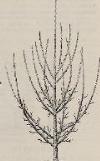
STAGE 2 Fan-trained Shape From Rhododendrons, boxwood, azaleas, clematis, novelties, bay trees, hardy plants, evergreens : novelties bulbs, cannas novelties, palms, araucarias, ferns, vines, orchids, flowering shrubs, ornamental grasses and trees book, via Wikimedia Commons |
|
Ramblers Scramblers & Twiners by Michael Jefferson-Brown (ISBN 0 - 7153 - 0942 - 0) describes how to choose, plant and nurture over 500 high-performance climbing plants and wall shrubs, so that more can be made of your garden if you think not just laterally on the ground but use the vertical support structures including the house as well. The Gardener's Illustrated Encyclopedia of Climbers & Wall Shrubs - A Guide to more than 2000 varieties including Roses, Clematis and Fruit Trees by Brian Davis. (ISBN 0-670-82929-3) provides the lists for 'Choosing the right Shrub or Climber' together with Average Height and Spread after 5 years, 10 years and 20 years. |
|
|
|
STAGE 2
|
|
|
|
STAGE 4D Trees and Shrubs suitable for Clay Soils (neutral to slightly acid) Trees and Shrubs suitable for Dry Acid Soils Trees and Shrubs suitable for Shallow Soil over Chalk Trees and Shrubs tolerant of both extreme Acidity and Alkalinity Trees and Shrubs suitable for Damp Sites Trees and Shrubs suitable for Industrial Areas Trees and Shrubs suitable for Cold Exposed Areas Trees and Shrubs suitable for Seaside Areas Shrubs suitable for Heavy Shade Shrubs and Climbers suitable for NORTH- and EAST-facing Walls Shrubs suitable for Ground Cover Trees and Shrubs of Upright or Fastigiate Habit Trees and Shrubs with Ornamental Bark or Twigs Trees and Shrubs with Bold Foliage Trees and Shrubs for Autumn Colour Trees and Shrubs with Red or Purple Foliage Trees and Shrubs with Golden or Yellow Foliage Trees and Shrubs with Grey or Silver Foliage Trees and Shrubs with Variegated Foliage Trees and Shrubs bearing Ornamental Fruit Trees and Shrubs with Fragrant or Scented Flowers Trees and Shrubs with Aromatic Foliage Flowering Trees and Shrubs for Every Month:- |
|



_in_meadow.jpg)


.JPG)
.JPG)


.jpg?uselang=en-gb)
Copied from |
||||||||||||||||||||||||||||||||||||||||||||||||||||||||||||||||||||||||||||||||||||||||||||||||||||||||||||||||||||||||||||||||||||||||||||||||||||||||||||||||||||||||||||||||||||||||||||||||||||||||||||||||||||||||||||||||||||||||||||||||||||||||||||||||||||||||||||||||||||||
Soil contains living material that requires the right structure and organic material to provide food for plants. If the structure of the soil tends towards a loam of about 20-50% sand, silt and 20 - 40% clay with a pH between 6 and 7.5, then this suitable for a high proportion of plants. Otherwise an application of a mulch of sand and horticultural grit for clay, or clay and horticultural grit for sand, is required to improve plant growth. If an annual mulch of organic material (Spent Mushroom Compost, Cow Manure, Horse Manure does contain weed seeds and should only be used under hedges or ground-covering trees/shrubs) is applied of 100mm (4”) thickness to the soil, then the living material in the soil can continue their role of feeding the plants. This mulch will stop the ground drying out due to wind or sun having direct access to the ground surface. The annual loss of organic matter from soils in cool humid climates is about 6lbs per square metre. If there is also a drip-feed irrigation system under the mulch (which is used for 4 continuous hours a week - when there is no rain that week from April to September), then the living material can get their food delivered in solution or suspension. If the prunings from your garden are shredded (or reduced to 4” lengths) and then applied as a mulch to your flower beds or hedges, followed by 0.5” depth of grass mowings on top; this will also provide a start for improvement of your soil. The 0.5" layer can be applied again after a fortnight; when the aerobic composting stage (the aerobic composting creates heat and 0.5" - 1 cm - thickness does not become too hot to harm the plants next to it) has been completed during the summer. Anaerobic (without using air) composting then completes the process. Application of Seaweed Meal for Trace Elements and other chemicals required to replenish what has been used by the plants in the previous year for application in Spring are detailed in the How are Chemicals stored and released from Soil? page.
You normally eat and drink at least 3 times every day to keep you growing, healthy and active; plants also require to eat and drink every day. Above 5 degrees Celcius plants tend to grow above ground and below 5 degrees Celcius they tend to grow their roots underground. 2 minor points to remember with their result-
|
||||||||||||||||||||||||||||||||||||||||||||||||||||||||||||||||||||||||||||||||||||||||||||||||||||||||||||||||||||||||||||||||||||||||||||||||||||||||||||||||||||||||||||||||||||||||||||||||||||||||||||||||||||||||||||||||||||||||||||||||||||||||||||||||||||||||||||||||||||||
Soils and their Treatment
Soil Improvement |
||||||||||||||||||||||||||||||||||||||||||||||||||||||||||||||||||||||||||||||||||||||||||||||||||||||||||||||||||||||||||||||||||||||||||||||||||||||||||||||||||||||||||||||||||||||||||||||||||||||||||||||||||||||||||||||||||||||||||||||||||||||||||||||||||||||||||||||||||||||
|
||||||||||||||||||||||||||||||||||||||||||||||||||||||||||||||||||||||||||||||||||||||||||||||||||||||||||||||||||||||||||||||||||||||||||||||||||||||||||||||||||||||||||||||||||||||||||||||||||||||||||||||||||||||||||||||||||||||||||||||||||||||||||||||||||||||||||||||||||||||
|
||||||||||||||||||||||||||||||||||||||||||||||||||||||||||||||||||||||||||||||||||||||||||||||||||||||||||||||||||||||||||||||||||||||||||||||||||||||||||||||||||||||||||||||||||||||||||||||||||||||||||||||||||||||||||||||||||||||||||||||||||||||||||||||||||||||||||||||||||||||
|
||||||||||||||||||||||||||||||||||||||||||||||||||||||||||||||||||||||||||||||||||||||||||||||||||||||||||||||||||||||||||||||||||||||||||||||||||||||||||||||||||||||||||||||||||||||||||||||||||||||||||||||||||||||||||||||||||||||||||||||||||||||||||||||||||||||||||||||||||||||
Copied from |
||||||||||||||||||||||||||||||||||||||||||||||||||||||||||||||||||||||||||||||||||||||||||||||||||||||||||||||||||||||||||||||||||||||||||||||||||||||||||||||||||||||||||||||||||||||||||||||||||||||||||||||||||||||||||||||||||||||||||||||||||||||||||||||||||||||||||||||||||||||
and • Watering Schedule - Far and away the best course of action against slugs in your garden is a simple adjustment in the watering schedule. Slugs are most active at night and are most efficient in damp conditions. Avoid watering your garden in the evening if you have a slug problem. Water in the morning - the surface soil will be dry by evening. Studies show this can reduce slug damage by 80%.
• Seaweed - If you have access to seaweed, it's well worth the effort to gather. Seaweed is not only a good soil amendment for the garden, it's a natural repellent for slugs. Mulch with seaweed around the base of plants or perimeter of bed. Pile it on 3" to 4" thick - when it dries it will shrink to just an inch or so deep. Seaweed is salty and slugs avoid salt. Push the seaweed away from plant stems so it's not in direct contact. During hot weather, seaweed will dry and become very rough which also deters the slugs.
• Copper - Small strips of copper can be placed around flower pots or raised beds as obstructions for slugs to crawl over. Cut 2" strips of thin copper and wrap around the lower part of flower pots, like a ribbon. Or set the strips in the soil on edge, making a "fence" for the slugs to climb. Check to make sure no vegetation hangs over the copper which might provide a 'bridge' for the slugs. Copper barriers also work well around wood barrels used as planters.
• Diatomaceous Earth - Diatomaceous earth (Also known as "Insect Dust") is the sharp, jagged skeletal remains of microscopic creatures. It lacerates soft-bodied pests, causing them to dehydrate. A powdery granular material, it can be sprinkled around garden beds or individual plants, and can be mixed with water to make a foliar spray.
• Electronic "slug fence" - An electronic slug fence is a non-toxic, safe method for keeping slugs out of garden or flower beds. The Slugs Away fence is a 24-foot long, 5" ribbon-like barrier that runs off a 9 volt battery. When a slug or snail comes in contact with the fence, it receives a mild static sensation that is undetectable to animals and humans. This does not kill the slug, it cause it to look elsewhere for forage. The battery will power the fence for about 8 months before needing to be replaced. Extension kits are availabe for increased coverage. The electronic fence will repel slugs and snails, but is harmless to people and pets.
• Lava Rock - Like diatomaceous earth, the abrasive surface of lava rock will be avoided by slugs. Lava rock can be used as a barrier around plantings, but should be left mostly above soil level, otherwise dirt or vegetation soon forms a bridge for slugs to cross.
• Salt - If all else fails, go out at night with the salt shaker and a flashlight. Look at the plants which have been getting the most damage and inspect the leaves, including the undersides. Sprinkle a bit of salt on the slug and it will kill it quickly. Not particularly pleasant, but use as a last resort. (Note: some sources caution the use of salt, as it adds a toxic element to the soil. This has not been our experience, especially as very little salt is used.)
• Beer - Slugs are attracted to beer. Set a small amount of beer in a shallow wide jar buried in the soil up to its neck. Slugs will crawl in and drown. Take the jar lid and prop it up with a small stick so rain won't dilute the beer. Leave space for slugs to enter the trap.
• Overturned Flowerpots, Grapefruit Halves, Board on Ground - Overturned flowerpots, with a stone placed under the rim to tilt it up a bit, will attract slugs. Leave overnight, and you'll find the slugs inside in the morning. Grapefruit halves work the same way, with the added advantage of the scent of the fruit as bait.
• Garlic-based slug repellents
Laboratory tests at the University of Newcastle-Upon-Tyne (UK) revealed that a highly refined garlic product (ECOguard produced by ECOspray Ltd, a British company that makes organic pesticides) was an effective slug killer. Look for garlic-based slug deterrents which will be emerging under various brand names, as well as ECOguard.
• Coffee grounds; new caffeine-based slug/snail poisons - Coffee grounds scattered on top of the soil will deter slugs. The horticultural side effects of using strong grounds such as espresso on the garden, however, are less certain. When using coffee grounds, moderation is advised. |
||||||||||||||||||||||||||||||||||||||||||||||||||||||||||||||||||||||||||||||||||||||||||||||||||||||||||||||||||||||||||||||||||||||||||||||||||||||||||||||||||||||||||||||||||||||||||||||||||||||||||||||||||||||||||||||||||||||||||||||||||||||||||||||||||||||||||||||||||||||
UKButterflies Larval Foodplants website page lists the larval foodplants used by British butterflies. The name of each foodplant links to a Google search. An indication of whether the foodplant is a primary or secondary food source is also given. Please note that the Butterfly you see for only a short time has grown up on plants as an egg, caterpillar and chrysalis for up to 11 months, before becoming a butterfly. If the plants that they live on during that time are removed, or sprayed with herbicide, then you will not see the butterfly. |
||||
Plants used by the Butterflies follow the Plants used by the Egg, Caterpillar and Chrysalis as stated in |
||||
Plant Name |
Butterfly Name |
Egg/ Caterpillar/ Chrysalis/ Butterfly |
Plant Usage |
Plant Usage Months |
Egg, |
1 egg under leaf. |
10 days in May-June |
||
Egg, |
Eggs laid in batches encircling the branch of the food plant. |
Hatches after 18-22 days in April. |
||
Egg, |
Groups of eggs on upper side of leaf. |
- |
||
Egg, |
1 egg at base of plant. |
Late August-April |
||
Egg, |
Groups of eggs on upper side of leaf. |
- |
||
Egg, |
1 egg laid on underside of leaflets or bracts. |
7 days in June. |
||
Egg, |
1 egg laid on underside of leaflets or bracts. |
7 days in June. |
||
Egg, |
1 egg laid under the leaf or on top of the flower. |
7 days in August. |
||
Egg, |
1 egg on underside of a flower bud on its stalk. |
7 days. |
||
Egg, |
1 egg on underside of a flower bud on its stalk. |
7 days. |
||
Egg, |
1 egg under leaf. |
10 days in May-June. |
||
Egg, |
1 egg on leaf. |
2 weeks |
||
Cabbages - Large White eats all cruciferous plants, such as cabbages, mustard, turnips, radishes, cresses, nasturtiums, wild mignonette and dyer's weed |
Egg,
|
40-100 eggs on both surfaces of leaf. |
May-June and August-Early September. 4.5-17 days. |
|
Egg, |
1 egg on underside of leaf. |
May-June and August. 7 days. |
||
Cabbages:- |
Egg, |
1 egg on underside of leaf. |
July or August; hatches in 3 days. |
|
Cabbages:- |
Egg, |
1 egg laid in the tight buds and flowers. |
May-June 7 days. |
|
Cherry with |
Egg, |
Eggs laid in batches encircling the branch of the food plant. |
Hatches after 18-22 days in April. |
|
Egg, |
Groups of eggs on upper side of leaf. |
- |
||
Egg, |
1 egg on leaf. |
10 days in May-June. |
||
Egg, |
1 egg on leaf. |
6 days in May-June. |
||
Egg, |
1 egg under leaf. |
|
||
|
(Common CowWheat, Field CowWheat) |
Egg, |
Eggs laid in batches on the under side of the leaves. |
Hatches after 16 days in June. |
|
Currants |
Egg, |
Groups of eggs on upper side of leaf. |
|
|
Egg, |
Eggs laid in batches on the under side of the leaves. |
Hatches after 20 days in July. |
||
Dog Violet with |
Egg, |
1 egg on oak or pine tree trunk |
15 days in July. |
|
Dog Violet with |
Egg, |
1 egg on leaf or stem. |
Hatches after 15 days in May-June. |
|
Dog Violet with |
Egg, |
1 egg on leaf or stem. |
Hatches after 10 days in May-June. |
|
Egg, |
1 egg on underside of a flower bud on its stalk. |
7 days. |
||
Egg, |
Eggs laid in batches encircling the branch of the food plant. |
Hatches after 18-22 days in April. |
||
False Brome is a grass (Wood Brome, Wood False-brome and Slender False-brome) |
Egg, |
1 egg under leaf. |
... |
|
Egg, |
Eggs laid in batches on the under side of the leaves. |
Hatches after 20 days in July. |
||
Egg, |
1 egg laid on underside of leaflets or bracts. |
7 days in June. |
||
Egg, |
1 egg on leaf or stem. |
Hatches after 10 days in May-June. |
||
Egg, |
1 egg on underside of a flower bud on its stalk. |
7 days. |
||
Egg, |
1 egg laid under the leaf or on top of the flower. |
7 days in August. |
||
Egg, |
1 egg on leaf. 5 or 6 eggs may be deposited by separate females on one leaf. |
14 days in July-August. |
||
Egg, |
1 egg on underside of a flower bud on its stalk. |
7 days. |
||
Egg, |
1 egg laid in the tight buds and flowers. |
May-June 7 days. |
||
Egg, |
Eggs laid in batches on the under side of the leaves. |
Hatches after 20 days in July. |
||
Egg, |
Groups of eggs on upper side of leaf. |
|
||
Egg, |
1 egg under leaf. |
1 then |
||
Egg, |
1 egg on underside of a flower bud on its stalk. |
7 days. |
||
Egg, |
1 egg at base of plant. |
Late August-April. |
||
Egg, |
1 egg on leaf. |
10 days in May-June. |
||
Egg, |
1 egg on leaf. |
2 weeks |
||
Egg, |
1 egg on leaf. |
6 days in May-June. |
||
Egg, |
1 egg on underside of leaf. |
May-June and August. 7 days. |
||
Egg, |
1 egg on leaf. 5 or 6 eggs may be deposited by separate females on one leaf. |
14 days in July-August. |
||
Narrow-leaved Plantain (Ribwort Plantain) |
Egg, |
Eggs laid in batches on the under side of the leaves. |
Hatches after 16 days in June. |
|
Narrow-leaved Plantain (Ribwort Plantain) |
Egg, |
Eggs laid in batches on the under side of the leaves. |
Hatches after 16 days in June. |
|
Nasturtium from Gardens |
Egg, |
1 egg on underside of leaf. |
May-June and August. 7 days. |
|
Egg, |
1 egg on tree trunk |
15 days in July. |
||
Mountain pansy, |
Egg, Chrysalis |
1 egg laid under the leaf or on top of the flower. |
7 days in August. 3 weeks in September |
|
Egg, |
1 egg on tree trunk. |
15 days in July. |
||
Egg, |
Eggs laid in batches on the under side of the leaves. |
Hatches after 20 days in July. |
||
Egg, |
Eggs laid in batches encircling the branch of the food plant. |
Hatches after 18-22 days in April. |
||
Egg, |
Groups of eggs on upper side of leaf. |
- |
||
Egg, |
1 egg under leaf. |
|
||
Egg, |
1 egg laid under the leaf or on top of the flower. |
7 days in August. |
||
Egg, |
Eggs laid in batches encircling the branch of the food plant. |
Hatches after 18-22 days in April. |
||
Egg, |
Eggs laid in batches on the under side of the leaves. |
Hatches after 16 days in June. |
||
Egg, |
1 egg on underside of a flower bud on its stalk. |
7 days. |
||
Egg, |
1 egg on underside of a flower bud on its stalk. |
7 days. |
||
Egg, |
Groups of eggs on upper side of leaf. |
|
||
Egg, |
1 egg under leaf. |
|
||
Egg, |
1 egg on leaf. |
2 weeks |
||
Trefoils 1, 2, 3 |
Egg, |
1 egg on leaf. |
6 days in May-June. |
|
Egg, |
Groups of eggs on upper side of leaf. |
- |
||
Egg, |
1 egg laid on underside of leaflets or bracts. |
7 days in June. |
||
Violets:- |
Egg, |
1 egg on underside of leaf or on stalk. |
July-August for 17 days. |
|
Violets:- |
Egg, |
1 egg on stem or stalk near plant base. |
July to hatch in 8 months in March. |
|
Egg, |
1 egg on leaf. |
2 weeks. |
||
Egg, |
Eggs laid in batches encircling the branch of the food plant. |
Hatches after 18-22 days in April. |
||
Egg, |
1 egg on leaf. 5 or 6 eggs may be deposited by separate females on one leaf. |
14 days in July-August. |
||
Willow |
Egg, |
Eggs laid in batches encircling the branch of the food plant. |
Hatches after 18-22 days in April. |
|
Egg, |
Eggs laid in batches on the under side of the leaves. |
Hatches after 20 days in July. |
||
Plants used by the Butterflies |
||||
Plant Name |
Butterfly Name |
Egg/ Caterpillar/ Chrysalis/ Butterfly |
Plant Usage |
Plant Usage Months |
Asters |
Butterfly |
Eats nectar. |
|
|
Runner and Broad Beans in fields and gardens |
Butterfly |
Eats nectar |
April-June or July-September. |
|
Aubretia in gardens |
Butterfly |
Eats nectar |
May-June or August till killed by frost and damp in September-November |
|
Butterfly |
Eats sap exuding from trunk. |
April-Mid June and Mid July-Early September for second generation. |
||
Butterfly |
Eats nectar. |
20 days. |
||
Butterfly |
Eats nectar |
May-June |
||
Holly Blue |
Butterfly |
Eats nectar |
April-Mid June and Mid July-Early September for second generation. |
|
Butterfly |
Eats nectar. |
July-October. |
||
Buddleias |
Butterfly |
Eats nectar. |
July-October. |
|
Wood White |
Butterfly |
Eats nectar |
May-June. |
|
Cabbage and cabbages in fields |
Butterfly |
Eats nectar |
April-June or July-September. |
|
Butterfly |
Eats nectar |
July-October |
||
Adonis Blue |
Butterfly |
Eats nectar. |
1 Month during Mid-May to Mid-June or during August-September |
|
Pale Clouded Yellow |
Butterfly |
Eats nectar |
May-June or August till killed by frost and damp in September-November |
|
Cow-wheat |
Butterfly |
Eats nectar |
June-July |
|
Butterfly |
Eats nectar |
May-June |
||
Butterfly |
Eats nectar |
April-Mid June and Mid July-Early September for second generation. |
||
Butterfly |
Eats nectar. |
3 weeks between May and September |
||
Germander Speedwell (Veronica chamaedrys - Birdseye Speedwell) |
Butterfly |
Eats nectar |
June-July |
|
Butterfly |
Eats nectar. |
July-October. |
||
Butterfly |
Eats nectar |
30 days in May-June. |
||
Butterfly |
Eats nectar |
May-September |
||
Butterfly |
Eats nectar. |
May-June for 18 days. |
||
Butterfly |
Eats nectar. |
July-October |
||
Butterfly |
Eats nectar. |
1 Month. |
||
Butterfly |
Eats nectar. |
July-October. |
||
Painted Lady |
Butterfly |
Eats nectar |
July-October. |
|
Marigolds in gardens |
Butterfly |
Eats nectar |
May-June or August till killed by frost and damp in September-November |
|
Butterfly |
Eats nectar. |
1 Month during Mid-May to Mid-June or during August-September. |
||
Michaelmas Daisies |
Butterfly |
Eats nectar. |
July-October |
|
Butterfly |
Eats nectar |
April-June or July-September. |
||
Narrow-leaved Plantain (Ribwort Plantain) |
Butterfly |
Eats nectar |
June-July |
|
Nasturtiums in gardens |
Butterfly |
Eats nectar |
April-June or July-September |
|
Butterfly |
Eats sap exuding from trunk. |
April-Mid June and Mid July-Early September for second generation. |
||
Butterfly |
Eats nectar |
June. |
||
Butterfly |
Eats nectar |
May-June. |
||
Butterfly |
Eats nectar |
July-October. |
||
Butterfly |
Eats nectar |
July-May |
||
Butterfly |
Eats nectar |
7 weeks in July-August. |
||
Comma |
Butterfly |
Eats nectar. |
July-October. |
|
Butterfly |
Eats nectar. |
3 weeks between May and September |
||
Trefoils 1, 2, 3 |
Butterfly |
Eats nectar. |
1 Month during Mid-May to Mid-June or during August-September |
|
Butterfly |
Eats nectar. |
20 days in August. |
||
Butterfly |
Eats nectar |
June.
|
||
Butterfly |
Eats nectar |
June-July |
||
Apple/Pear/Cherry/Plum Fruit Tree Blossom in Spring |
Butterfly |
Eats Nectar |
April-May |
|
Rotten Fruit |
Butterfly |
Drinks juice |
July-September |
|
Tree sap and damaged ripe fruit, which are high in sugar |
Butterfly |
Hibernates inside hollow trees or outhouses until March. Eats sap or fruit juice until April. |
10 months in June-April |
|
Wild Flowers |
Large Skipper |
Butterfly |
Eats Nectar |
June-August |
Links to the other Butterflies:- Black Hairstreak |
Topic - Wildlife on Plant Photo Gallery. Some UK native butterflies eat material from UK Native Wildflowers and live on them as eggs, caterpillars (Large Skipper eats False Brome grass - Brachypodium sylvaticum - for 11 months from July to May as a Caterpillar before becoming a Chrysalis within 3 weeks in May) chrysalis or butterflies ALL YEAR ROUND. |
Wild Flower Family Page (the families within "The Pocket Guide to Wild Flowers" by David McClintock & R.S.R. Fitter, Published in 1956 They are not in Common Name alphabetical order and neither are the common names of the plants detailed within each family. The information in the above book is back-referenced to the respective page in "Flora of the British Isles" by A.R. Clapham of University of Sheffield, |
||
When you look at the life history graphs of each of the 68 butterflies of Britain, you will see that they use plants throughout all 12 months - the information of what plant is used by the egg, caterpillar, chrysalis or butterfly is also given in the above first column.
THE LIFE AND DEATH OF A FLAILED CORNISH HEDGE - This details that life and death from July 1972 to 2019, with the following result:- End note, June 2008. I hear spring vetch has been officially recorded somewhere in West Cornwall and confirmed as a presence in the county, so perhaps I can be permitted to have seen it pre-1972 in the survey mile. I wonder where they found it? It's gone from hedges where it used to be, along with other scarcities and so-called scarcities that used to flourish in so many hedges unrecorded, before the flail arrived. I have given careful thought to including mention of some of the plants and butterflies. So little seems to be known of the species resident in Cornish hedges pre-flail that I realise some references may invite scepticism. I am a sceptic myself, so sympathise with the reaction; but I have concluded that, with a view to re-establishing vulnerable species, it needs to be known that they can with the right management safely and perpetually thrive in ordinary Cornish hedges. In future this knowledge could solve the increasingly difficult question of sufficient and suitable sites for sustainable wild flower and butterfly conservation - as long as it is a future in which the hedge-flail does not figure.
CHECK-LIST OF TYPES OF CORNISH HEDGE FLORA by Sarah Carter of Cornish Hedges Library:-
Titles of papers available on www.cornishhedges.co.uk:-
THE GUILD OF CORNISH HEDGERS is the non-profit-making organisation founded in 2002 to support the concern among traditional hedgers about poor standards of workmanship in Cornish hedging today. The Guild has raised public awareness of Cornwall's unique heritage of hedges and promoted free access to the Cornish Hedges Library, the only existing source of full and reliable written knowledge on Cornish hedges." |
||||
|
||||||||||||||||||||||||||||||||||||||||||||||||||||||||||||||||||||||||||||||||||||||||||||||
Recommended Plants for Wildlife in different situations
|
||||||||||||||||||||||||||||||||||||||||||||||||||||||||||||||||||||||||||||||||||||||||||||||
From the Ivydene Gardens Box to Crowberry Wild Flower Families Gallery: |
|
|||||||||||||||||||||||||||||||||||||||||||||||||||||||||||||||||||||||||||||||||||||||||||||
The Bumblebee Pages website is divided into five major areas:
FORCED INDOOR BULBS in Window Box Gardens. |
|
|||||||||||||||||||||||||||||||||||||||||||||||||||||||||||||||||||||||||||||||||||||||||||||
Theme |
Plants |
Comments |
|
|||||||||||||||||||||||||||||||||||||||||||||||||||||||||||||||||||||||||||||||||||||||||||
Thyme |
Thymus praecox, wild thyme Thymus pulegioides Thymus leucotrichus Thymus citriodorus |
Thymes make a very fragrant, easy to care for windowbox, and an excellent choice for windy sites. The flower colour will be pinky/purple, and you can eat the leaves if your air is not too polluted. Try to get one variegated thyme to add a little colour when there are no flowers. |
|
|||||||||||||||||||||||||||||||||||||||||||||||||||||||||||||||||||||||||||||||||||||||||||
Herb |
Sage, mint, chives, thyme, rosemary |
Get the plants from the herb section of the supermarket, so you can eat the leaves. Do not include basil as it need greater fertility than the others. Pot the rosemary up separately if it grows too large. |
|
|||||||||||||||||||||||||||||||||||||||||||||||||||||||||||||||||||||||||||||||||||||||||||
Mints |
Mentha longifolia, horse mint Mentha spicata, spear mint Mentha pulgium, pennyroyal Mentha piperita, peppermint Mentha suaveolens, apple mint |
Mints are fairly fast growers, so you could start this box with seed. They are thugs, though, and will very soon be fighting for space. So you will either have to thin and cut back or else you will end up with one species - the strongest. The very best mint tea I ever had was in Marrakesh. A glass full of fresh mint was placed in front of me, and boiling water was poured into it. Then I was given a cube of sugar to hold between my teeth while I sipped the tea. Plant this box and you can have mint tea for months. |
|
|||||||||||||||||||||||||||||||||||||||||||||||||||||||||||||||||||||||||||||||||||||||||||
Heather |
Too many to list See Heather Shrub gallery |
For year-round colour try to plant varieties that flower at different times of year. Heather requires acid soils, so fertilise with an ericaceous fertilser, and plant in ericaceous compost. Cut back after flowering and remove the cuttings. It is best to buy plants as heather is slow growing. |
|
|||||||||||||||||||||||||||||||||||||||||||||||||||||||||||||||||||||||||||||||||||||||||||
Blue |
Ajuga reptans, bugle Endymion non-scriptus, bluebell Myosotis spp., forget-me-not Pentaglottis sempervirens, alkanet |
This will give you flowers from March till July. The bluebells should be bought as bulbs, as seed will take a few years to flower. The others can be started from seed. |
|
|||||||||||||||||||||||||||||||||||||||||||||||||||||||||||||||||||||||||||||||||||||||||||
Yellow |
Anthyllis vulneraria, kidney vetch Geum urbanum, wood avens Lathryus pratensis, meadow vetchling Linaria vulgaris, toadflax Lotus corniculatus, birdsfoot trefoil Primula vulgaris, primrose Ranunculus acris, meadow buttercup Ranunculus ficaria, lesser celandine |
These will give you flowers from May to October, and if you include the primrose, from February. Try to include a vetch as they can climb or trail so occupy the space that other plants can't. All can be grown from seed. |
|
|||||||||||||||||||||||||||||||||||||||||||||||||||||||||||||||||||||||||||||||||||||||||||
White |
Trifolium repens, white clover Bellis perennis, daisy Digitalis purpurea alba, white foxglove Alyssum maritimum Redsea odorata, mignonette |
All can be grown from seed. The clover and daisy will have to be cut back as they will take over. The clover roots add nitrogen to the soil. The mignonette flower doesn't look very special, but the fragrance is wonderful, and the alyssum smells of honey. |
|
|||||||||||||||||||||||||||||||||||||||||||||||||||||||||||||||||||||||||||||||||||||||||||
Pink |
Lychnis flos-cucli, ragged robin Scabiosa columbaria, small scabious Symphytum officinale, comfrey |
The comfrey will try to take over. Its leaves make an excellent fertiliser, and are very good on the compost heap, though windowbox gardeners rarely have one. |
|
|||||||||||||||||||||||||||||||||||||||||||||||||||||||||||||||||||||||||||||||||||||||||||
Fragrant |
Lonicera spp., honeysuckle Alyssum maritimum Redsea odorata, mignonette Lathyrus odoratus, sweet pea |
The sweet pea will need twine or something to climb up, so is suitable if you have sliding windows or window that open inwards. You will be rewarded by a fragrant curtain every time you open your window. |
|
|||||||||||||||||||||||||||||||||||||||||||||||||||||||||||||||||||||||||||||||||||||||||||
Spring bulbs and late wildflowers |
Galanthus nivalis, snowdrop Narcissus pseudonarcissus, narcissius Crocus purpureus, crocus Cyclamen spp. |
The idea of this box is to maximize your space. The bulbs (cyclamen has a corm) will flower and do their stuff early in the year. After flowering cut the heads off as you don't want them making seed, but leave the leaves as they fatten up the bulbs to store energy for next year. The foliage of the wildflowers will hide the bulb leaves to some extent. Then the wildflowers take over and flower till autumn |
|
|||||||||||||||||||||||||||||||||||||||||||||||||||||||||||||||||||||||||||||||||||||||||||
Aster spp., Michaelmas daisy Linaria vulgaris, toadflax Lonicera spp., honeysuckle Succisa pratensis, devil's bit scabious Mentha pulgium, pennyroyal |
|
|||||||||||||||||||||||||||||||||||||||||||||||||||||||||||||||||||||||||||||||||||||||||||||
|
|
|
||||||||||||||||||||||||||||||||||||||||||||||||||||||||||||||||||||||||||||||||||||||||||||
Bee Garden in Europe or North America |
|
|
|
|||||||||||||||||||||||||||||||||||||||||||||||||||||||||||||||||||||||||||||||||||||||||||
Plants for moths (including larval food plants and adult nectar sources) from Gardens for Wildlife - Practical advice on how to attract wildlife to your garden by Martin Walters as an Aura Garden Guide. Published in 2007 - ISBN 978 1905765041:- |
Marjoram - Origanum officinale |
"On average, 2 gardeners a year die in the UK as a result of poisonous plants. Those discussed in this blog illustrate a range of concerns that should be foremost in the designer’s mind." from Pages on poisonous plants in this website:- |
||||||||||||||||||||||||||||||||||||||||||||||||||||||||||||||||||||||||||||||||||||||||||||
Wildlife-friendly Show Gardens
Many of our gardens at Natural Surroundings demonstrate what you can do at home to encourage wildlife in your garden:-
|
||||||||||||||||||||||||||||||||||||||||||||||||||||||||||||||||||||||||||||||||||||||||||||||
Ivydene Gardens Water Fern to Yew Wild Flower Families Gallery: |
Only Wildflowers detailed in the following Wildflower Colour Pages |
|
|||||||||||||||
Jan |
Feb |
Mar |
Apr |
May |
Jun |
Jul |
Aug |
Sep |
Oct |
Nov |
Dec |
||||||
1 |
Blue |
||||||||||||||||
1 |
|||||||||||||||||
1 |
Cream |
||||||||||||||||
1 |
|||||||||||||||||
1 |
|||||||||||||||||
1 |
|||||||||||||||||
1 |
|||||||||||||||||
1 |
|||||||||||||||||
1 |
|||||||||||||||||
1 |
|||||||||||||||||
1 |
White A-D |
||||||||||||||||
1 Yellow |
|||||||||||||||||
1 |
|||||||||||||||||
1 |
|||||||||||||||||
1 |
|||||||||||||||||
1 |
Flowering plants of |
||||||||||||||||
1 |
Flowering plants of |
||||||||||||||||
The following table shows the linkages for the information about the plants
|
|||||||||||||
STAGE 1 GARDEN STYLE INDEX GALLERY |
|||||||||||||
Private Garden Design:- |
|||||||||||||
|
|
<---- |
Yes |
|
No |
Cannot be bothered. |
|||||||
|
|
At Home with Gard-ening Area |
|
|
Balcony Garden or Roof Garden |
|
Grow flowers for flower arranging and vegetables on Balcony Garden or Roof Garden |
Pan Plant Back-grou-nd Colour |
STAGE 3b |
||||
| |
|
| |
Outside Garden |
Pan, Trough and Window-Box Odds and Sods |
|||||||||
|
| |
Kinds of Pan Plants that may be split up and tucked in Corners and Crevices |
| |
||||||||||
| |
|||||||||||||
| |
|||||||||||||
| |
|||||||||||||
Trough and Window-box plants 1, 2, 3, 4, 5 |
Pan Plant |
| |
|||||||||||
You need to know the following:- |
|||||||||||||
A) Bee Pollinated Plants for Hay Fever Sufferers List leads onto the |
|
Human Prob-lems |
|
Blind, |
|
||||||||
|
|
|
|
Garden Style, which takes into account the Human Problems above |
|
||||||||
|
Classic Mixed Style |
|
Cottage Garden Style |
|
. |
|
Naturalistic Style |
Formal English Garden |
|||||
|
Mediterranean Style |
|
Meadow and Corn-field |
|
. |
|
Paving and Gravel inland, |
||||||
|
|
|
|
Problem Sites within your chosen Garden Style from the above |
|
||||||||
|
|
|
|
|
. |
|
Exce-ssively Hot, Sunny and Dry Site is suitable for Drought Resistant Plants |
Excessively Wet Soil - especially when caused by poor drainage |
|||||
Control of Pests (Aphids, Rabbits, Deer, Mice, Mole, Snails) / Disease by Companion Planting in Garden |
Whether your Heavy Clay or Light Sandy / Chalk Soil is excessively Alkaline (limy) / Acidic or not, then there is an Action Plan for you to do with your soil, which will improve its texture to make its structure into a productive soil instead of it returning to being just sand, chalk, silt or clay. |
|
. |
|
Problems caused by builders:- 1. Lack of soil on top of builders rubble in garden of just built house. |
||||||||
In planning your beds for your garden, before the vertical hard-landscaping framework and the vertical speciman planting is inserted into your soft landscaping plan, the following is useful to consider:- |
|||||||||||||
Reasons for stopping infilling of Sense of Fragrance section on 28/07/2016 at end of Sense of Fragrance from Stephen Lacey Page. From September 2017 will be creating the following new pages on Sense of Fragrance using Scented Flora of the World by Roy Genders. |
|
|
|
| |
|
|
|
|
|
||||
After you have selected your vertical hard-landscaping framework and the vertical speciman plants for each bed or border, you will need to infill with plants taking the following into account:- |
|
|
|
||||||||||
Sense of Fragrance from Roy Genders Flower Perfume Group:- |
Flower Perfume Group:- |
Flower Perfume Group:- |
Leaf Perfume Group:- |
Scent of Wood, Bark and Roots Group:-
Scent of Fungi Group:- |
|||||||||
Sense of Sight |
Emotion of |
Emotion of |
|
. |
Emotion of |
Emotion of Intellectual versus Emotional |
Sense of Touch |
Sense of Taste |
Sense of Sound |
||||
|
|
STAGE 2 INFILL PLANT INDEX GALLERIES 1, 2, 3 for |
|
|
|||||||||
|
|||||||||||||
STAGE 3a ALL , 3 AND 4 PLANTS INDEX GALLERIES with pages of content (o) |
|||||||||||||
Plant Type |
ABC |
DEF |
GHI |
JKL |
MNO |
PQR |
STU |
VWX |
YZ |
||||
Alpine in Evergreen Perennial, |
1 (o) |
1 (o) |
1 (o) |
1 (o) |
1 (o) |
||||||||
Annual/ Biennial |
1 (o) |
1 (o) |
|||||||||||
Bedding, 25 |
|||||||||||||
Bulb, 746 with Use, Flower Colour/Shape of |
|||||||||||||
Climber 71 Clematis, 58 other Climbers with Use, Flower Colour and Shape |
|||||||||||||
1 (o) |
|||||||||||||
Deciduous Shrub 43 with Use and Flower Colour |
|||||||||||||
1 (o) |
|||||||||||||
Evergreen Perennial 104 with Use, Flower Colour, Flower Shape and Number of Petals |
|||||||||||||
Evergreen Shrub 46, Semi-Evergreen Shrub and Heather 74 with Use and Flower Colour |
1 (o) |
1 (o) |
|||||||||||
1 (o) |
|||||||||||||
Fern with 706 ferns |
|||||||||||||
1 (o) |
|||||||||||||
Herbaceous Perennial 91, |
1 (o) |
||||||||||||
Rose with 720 roses within Flower Colour, Flower Shape, Rose Petal Count and Rose Use |
|||||||||||||
Sub-Shrub |
|||||||||||||
Wildflower 1918 with |
|||||||||||||
Finally, you might be advised to check that the adjacent plants to the one you have chosen for that position in a flower bed are suitable; by checking the entry in Companion Planting - like clicking A page for checking Abies - and Pest Control page if you have a pest to control in this part of the flower bed. |
|||||||||||||
|
|||||||||||||
STAGE 1 GARDEN STYLE INDEX GALLERY |
|||||||||||||
STAGE 2 INFILL PLANT INDEX GALLERIES 1, 2, 3 Reference books for these galleries in Table on left |
|||||||||||||
STAGE 3a ALL PLANTS INDEX GALLERY |
|||||||||||||
STAGE 4C CULTIVATION, POSITION, USE GALLERY |
|||||||||||||
Since 2006, I have requested photos etc from the Mail-Order Nurseries in the UK and later from the rest of the World. Few nurseries have responded.
with the aid of further information from other books, magazines and cross-checking on the internet. |
|||||||||||||