Ivydene Gardens Stage 2 - Infill Plants Index Gallery: |
Ivydene Gardens Stage 2 - Infill Plants Index Gallery: |
||||||||
Botanical Plant Name with link to |
Flower Colour Sun Aspect of Full Sun, with link to external website for photo/data |
Flowering Months with link to |
Height with Spacings or Width (W) in inches (cms) 1 inch = |
Foliage Colour followed by with link to Australia or New Zealand mail-order supplier
with data for rows in |
Plant Type is:-
followed by:-
with links to |
Comments |
Adjacent Planting |
Plant Associations It is sad to reflect that in England so few gardens open to the public label their plants or label them so that the label is visible when that plant is in flower, so that visitors can identify; and then later locate and purchase that plant. Few mail-order nurseries provide the detail as shown in my rose or heather galleries. If you want to sell a product, it is best to display it. When I sold my Transit van, I removed its signage, cleaned it and took photos of the inside and outside before putting them onto an advert in Autotrader amongst more than 2000 other Transit vans - it was sold in 20 minutes. If mail-order nurseries could put photos to the same complexity from start of the year to its end with the different foliage colours and stages of flowering on Wikimedia Commons, then the world could view the plant before buying it, and idiots like me would have valid material to work with. I have been in the trade (until ill health forced my Sole Trader retirement in 2013) working in designing, constructing and maintaining private gardens for decades and since 2005 when this site was started, I have asked any nursery in the world to supply photos. R.V. Roger in Yorkshire allowed me to use his photos from his website in 2007 and when I got a camera to spend 5 days in July 2014 at my expense taking photos of his roses growing in his nursery field, whilst his staff was propagating them. I gave him a copy of those photos. |
"The Higgledy Garden shop sells the best flower seeds you can find this side of Alpha centauri. Mystery Seeds - "For just £1 I will add a packet of seeds that I think will compliment your selection. At the end of every month I will send the full total raised (with no costs deducted) to Amnesty International. Amnesty International spearhead the campaign for the release of fellow blogger Raif Badawi who is being held and tortured by the Saudi government for promoting free speech and for being in open opposition of the Saudi air strikes on Yemen. In this small way, Higgledy Garden is proud to stand shoulder to shoulder with Raif." He (besides being multi-lingual - found a groovy cat in France who had amazing seed stock) is descended from some very interesting people as you will discover below, after you have perused his Seed Sowing Guide and cogitated about it:- |
||||||||
Cosmos bipinnatus (Cosmos, Mexican Aster) |
|
|
|
|
|
Cosmos bipinnatus 'Purity' has large, open flowers of pure white, with delicate apple-green foliage. The classic cut flower and a supremely lovely garden plant, which no one should be without. Cosmos ‘Purity’ has been in every cut flower garden I have ever created…it’s a classic in the true sense. Not only are its flowers amongst the most most graceful in the garden but it’s ferny foliage is amongst the most tactile. Cosmos ‘Purity’ is a great plant to hang out with. I spend a good deal of the late summer lying on my back in the flower patch chatting with the bees and having a bit of banter with the flowers….and maybe squeezing in a power nap or two….out of all the flowers in the garden Cosmos are the most talkative. |
|
Cosmos bipinnatus. By Kurt Stüber, via Wikimedia Commons |
Cosmos ‘Sensation’ |
|
|
|
|
|
|
|
‘Sensation’ is easy to grow from seed….I start mine in 3 inch square pots at the beginning of April and plant out after the frosts in mid May. She will grow to about 140 cm tall and spread about 60 cm. I space my plants to about a foot apart. I usually mix my Cosmos ‘Purity‘ and ‘Sensation’ in the same bed…they are sociable plants and I get the impression they like to mingle. |
Cosmos ‘Xanthos’ |
|
|
|
|
|
|
|
This is the first yellow Cosmos I will have ever grown. ‘Xanthos’ may sound like the name of an evil alien planet but in fact it simply means yellow in Greek. ‘Xanthos’ has won many awards so I’m confident about taking a punt on it and selling it without having tried it myself. |
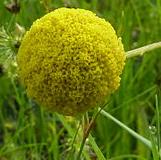
Craspedia (Drumstick Flower, Billy Buttons, Woollyheads) Supplier in UK |
Full Sun |
|
|
Dry |
Alk, Sand, Chalk |
Craspedia can be propagated by cutting a rosette from a clump, but generally seed is a more reliable and rapid method. Seeds will sprout in days on germination media. Plants are generally self-fertile. The alpine species need regular water and excellent drainage. All species prefer cool roots; surrounding the plants with rock, gravel, or sand provides better conditions. A plant will start growing as a single rosette, and each rosette generally produces one flower stalk. |
Craspedia variabilis J.Everett & Doust, Black Mountain, Canberra, ACT, 17 November 2010. By Donald Hobern from Copenhagen, Denmark via Wikimedia Commons. |
Start your seeds off in April in modules or pots, inside. Hardly cover the seed at all with your seed compost or sow it on the surface as Craspedia seeds need a little light to germinate. After a couple of weeks the seedlings will appear…let them do their stuff….they know what to do…but don’t let the pots dry out. Can also be used in pots and window boxes. |
Daucus carota ( Wild Carrot is a member of the Wildflower Umbellifer Family) |
White umbel flower followed by seeds ripening from Aug-Sep, which are dispersed by wind Full Sun Wild carrot is attractive to a wide variety of specialized pollen and nectar feeding insects such as bees, hoverflies and beetles. |
Jun-Sep |
12-24 x 12 |
Feathery green foliage Moist |
Well-drained Chalk, Sand |
This beneficial weed can be used as a companion plant to crops. Like most members of the umbellifer family, it attracts wasps to its small flowers in its native land; however, where it has been introduced, it attracts very few wasps. This species is also documented to boost tomato plant production when kept nearby, and it can provide a microclimate of cooler, moister air for lettuce, when intercropped with it. However, the USDA has listed it as a noxious weed. |
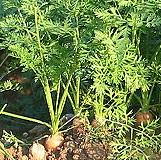
Daucus carota - Field of carrots in Haßloch (Pfalz), Germany. By Georg Slickers via Wikimedia Commons. |
This British native is becoming the new hot biscuit in cut flower world…well…ok…to be fair I’m sure florists have been using it for yonks but I have only just started using it. I saw Mari using it at Rosewartha Flower Farm and loved the relaxed/warm vibe it brings to the vase and indeed the garden. I have seen it used in wild meadow style planting to great effect. Natural habitat is rough grassland, coastal cliffs and dunes. |
Didiscus ‘Madonna & Lacy’ Supplier in UK |
|
|
|
|
|
Perfect for the cutting garden and a lovely summer bedding plant, Didiscus are suitable for country cottage style or contemporary arrangements, the flat-topped flower clusters resemble the frothy flowers of Queen Anne’s Lace. The plants grow to a height of around 60 to 70cm (24 to 30in), the graceful large flower heads grow to around 8cm (3in) across and mix easily with others in the garden or bouquet. |
Didiscus caerulea 'Blue Lace Flower' is easily grown from seed in any rich soil in full sun, sown March to April for flowering in July to August. The plants bloom within 14 weeks from sowing and continue to bloom for a remarkably long period. Regular deadheading will extend the season. The sweetly scented lavender-blue flowers can be cut and brought indoors. They will last around 7 to 10 days in a vase. |
Sometimes germinating Didiscus can seem tricky…especially when compared to some other annual flower seed that wants to start growing the moment they sniff the ground. I have found a little bit of warmth from being on a windowsill or on top of a fridge can make all the difference….or of course a greenhouse if you are lucky enough to have one. |
Digitalis purpurea – Foxglove ‘Alba’ Supplier in UK |
|
|
|
|
|
It is said in the Higgledy family folk lore that Foxgloves were invented in the September of 1666. Great Great Grandmother Professor Florrie Higgledy was indulging in a pipe of tobacco after having demolished one of Mr Farrinner’s wonderful pastries in London’s Pudding Lane….when suddenly she was taken with a fit of the vapours. She had a blinding vision of a tall beautiful, bienneial plant with soft, hairy, toothed, ovate and lance-shaped leaves in a basal rosette….wonderful tubular flowers adorned it’s majestic spires…as soon as the vision arrived…it vanished. Wasting no time, she knocked out her pipe on some small, dry, kindling like sticks outside the bakery and set off to her secret underground laboratory with a view to transforming her dream into reality. |
A semi-shade somewhat damp position is quite suitable, though, like Lilies, Common Foxgloves appear to prefer to reach up into sunshine. |
Digitalis purpurea. In Vielha e Mijaran (Val d'Aran - Catalunya. To 1.470 m altitude. By Isidre blanc, via Wikimedia Commons |
Digitalis purpurea – Foxglove ‘Apricot Beauty’ Supplier in UK |
|
|
|
|
|
These soft shades of flowers are becoming increasingly popular with the the ‘New Romantic Florists’ (Yes…I made their name up) who are keen to recreate Dutch master styled arrangements. |
Sow seeds 1/16 inch (1.5 mms) deep in shady border outdoors in April. Transplant seedlings 3 inches (7.5 cms) apart in shady bed in June. Transfer seedlings to flowering position in October or November. |
|
Digitalis purpurea – Foxglove ‘Excelsior’ Supplier in UK |
|
|
|
|
|
A mix of statuesque beauties…in pale to dark pinks with stunning speckled throats. They are excellent for cutting with a good vase life and are happy in full sun or semi shade. |
The plants can also be increased by division. |
|
Dill ‘Mammoth’ (Anethum graveolens) Supplier in UK |
|
|
|
|
|
|
Let me introduce you to Veronica Von Trollop, keeper of floral vessels, mistress of vaseology. We met one warm July in a Cumbrian flea market having both eyed a Cornflower blue milk jug, the perfect colour pot for the acid green Dill flowers. Now it is told, in the lakeside taverns of the county, that Veronica is the biggest Dill fan you will ever have the pleasure to meet. She grows all manner of Dill from Hercules to Hedger and is able to decipher each variety with the finesse all Von Trollops are blessed with. |
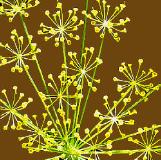
Anethum graveolens. By Walter J. Pilsak, Waldsassen via Wikimedia Commons. |
Echinacea ‘Deep Rose Pink’ Supplier in UK |
|
|
|
|
|
|
It has unbeatable drought tolerance and the bees and the butterflies get all toffee eyed over it. |
Daucus carota - Field of carrots in Haßloch (Pfalz), Germany. By Georg Slickers via Wikimedia Commons. |
Echinacea ‘Primadonna White’ Supplier in UK |
|
|
|
|
|
|
If you like me have been searching for the perfect white echinacea for your cut flower patch… then your search has come to an end my friend… rest easy… your work is done. |
|
Echinops ‘Ritro’ Supplier in UK |
|
|
|
|
|
|
Echinops is often overlooked as a cut flower but there are few plants that you can add to the vase that lend such a distinct flavour to the whole affair. Their spiky flower heads look like medieval weaponry…and the silver blue metallic sheen adds a sort of futuristic vibe. My own favourite and in fact the only variety I sell in seed form is ‘Ritro‘….it can self seed like a trooper….which of course can be a good thing or a bad thing. Best to have a dedicated patch if you can spare the space. |
|
Echium – Viper’s Bugloss Supplier in UK |
|
|
|
|
|
|
Beautiful blue flowers on rough spires, these plants are a Mecca for bees and butterflies. Though a biennial it can be sown in early spring and may flower in it’s first season…if the soil is light and free draining Vipers Bugloss will happily reseed year in year out. |
|
Edible Flower Collection |
|
|
|
|
|
|
Edible flowers add colour, flavour and texture to savoury and sweet dishes, as well as cordials, oils and butters. |
|
Eschscholzia ‘Ivory Castle’ Supplier in UK |
|
|
|
|
|
|
At 12 inches it is shorter than most of the flowers I sell for cut flower gardeners, but it will be perfect for a simple glass of flowers….I suspect it is going to look mighty fine with ‘Indian Prince’ calendula and Nicotiana ‘Lime Green’. |
|
Eschscholzia ‘Orange King’ Supplier in UK |
|
|
|
|
|
|
Back in the 1970′ my wonderful Auntie Bunny Gaia-Higgledy had emigrated to the west coast of the USA where she had become a surf queen and the toast of Santa Cruz. Like all Higgledys before and since she had a cut flower garden and it was here that she grew her beloved Eschscholzia…now this Eschscholzia would grow wild all over California but Bunny insisted on having some in her own patch. She would often be seen surfing naked except for a garland of the bright orange flowers around her neck as she sang Fairport Convention songs to the passing dolphins. |
|
Feverfew Supplier in UK |
|
|
|
|
|
|
|
When I was a nipper my Great Granny Higgledy would tell me that Feverfew was actually a chrysanthemum and that it had been used in her family for centuries to cure arthritis and headaches…but then again she smoked a long clay pipe which she filled from a plant in the greenhouse and would sway about the Higgledy Garden humming Bob Marley tunes… |
Flower Seeds For A Late Summer & Early Autumn Sowing. Supplier in UK |
|
|
|
|
|
|
|
A late summer or early autumn sowing of your hardy annual flower seeds can produce exceptional results the following year. |
Flower Seeds To Sow Directly Into The Ground In Early Spring. Supplier in UK |
|
|
|
|
|
|
|
This collection is a collection of ten varieties of seeds that can be directly sown into the soil in mid April…a little earlier in the south west and a little later north of the border. These ten super stars will produce a particularly abundant flower patch which will produce flowers from June until the first sharp frosts. |
Godetia ‘Crown’ Supplier in UK |
|
|
|
|
|
|
|
When sowing Godetia only give the seeds the lightest covering…when the seedlings are about an inch or two high I thin mine to about 10-12 inches apart…I don’t transplant seedlings as they don’t like it…but you could if you took LOTS of earth with them. |
Gomphrena ‘Strawberry Fields’ Supplier in UK |
|
|
|
|
|
|
|
Cut her stems close to the base of the plant and strip off foliage, leaving just a couple of whorls of leaves. If you’re feeling creative and canny, when her original vase combo is kaput – whip Gomphrena out – refresh by scissor snipping her soggy stem bottoms and add to your next floral creation. |
Gypsophila ‘Covent Garden’ Supplier in UK |
|
|
|
|
|
|
|
Gypsophila’s specialist skill is its ability to add an ethereal, airy vibe to your displays. Use it with all white flowers for something uber chic…it goes extremely well with Cosmos ‘Purity’ and white ‘Larkspur’. Or the simple ‘Blue Ball’ Cornflower and Gypsophila is a beautiful combo which is simplicity itself. |
Helianthus annuus (Sunflowers) Supplier of Helianthus – Sunflower ‘Earthwalker’ |
|
|
|
|
|
Sunflower is pollinated by bees and some farmers place bee colonies in sunflower fields which produce honey as a by-product. Sunflower meal is sometimes used as a substitute for wheat flour in the baking of bread and cakes for human consumption. The indigenous people of North America have a long tradition of using ground sunflower seeds to make bread-like products. Easy to grow, branching habit so great for cut flowers. A charming flower for the youngsters to have a go at growing. Earthwalker will always be in the Higgledy Garden. |
|
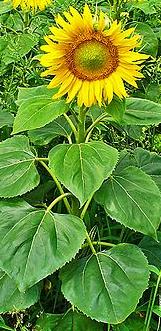
Helianthus annuus, Asteraceae, Sonnenblume, Habitus; Stutensee, Germany. The ripe fruits are used in homeopathy as remedy: Helianthus annuus (Helia.). By H. Zell, via Wikimedia Commons |
Helianthus – Sunflower ‘Valentine’ Supplier in UK |
The flower head is comprised of outer yellow ray florets, which serve to attract pollinators, and inner brownish disc florets which are fertile. Full Sun |
Jul-Aug |
36-120 x 18-36 |
Moist, well-drained |
Ann |
|
Removal of browned and tattered plants from the garden after bloom may improve the appearance of the landscape, but is a great disappointment to local bird populations that love to feed on the seeds. Garden Uses |
You can start them in pots but I find they don’t get on to well with root disturbance when moved. Sow 1.5 cm deep and keep the ground moist whilst they find their feet. Space at least a foot apart. May need staking. |
Helianthus – Sunflower ‘Vanilla Ice’ Supplier in UK |
|
|
|
|
|
|
|
I would say it is the the prettiest of the lot…very delicate colour and petal formation… almost translucent. Gorgeous. As a cut flower it is probably the best of the bunch too. (Excuse the pun) It has dozens of flowers on branching stems…perfect for the vase. |
Helichrysum ‘Copperhead’ Supplier in UK |
|
|
|
|
|
|
|
It flowers late summer and into the autumn so the copper flowers blend in beautifully with the general autumnal vibe. Those that have grown Helichrysum will know that they flower almost ready dried…they will last in an arrangement all winter. |
Helichrysum ‘Hendrix’ Supplier in UK |
|
|
|
|
|
|
|
Helichrysum ‘Hendrix’ is my new funky favourite in the Autumn cutting patch. An amazing array of colours and full of copper tones. These are perfect for drying too…just hang in a cool, dark place for a few weeks. |
Hesperis ‘Alba’ Supplier in UK |
|
|
|
|
|
|
|
Great Great Grandfather Wilfred Higgledy was a non conformist cement maker, which was very time consuming in the 1850’s but it didn’t prevent him from growing the most talked about Hesperis in Lancashire. At the time Burnley was the famed Hesperis centre of northern Europe, all the top Hesperis growers congregated in that region….and Wilf was the king of them all. Today, in the Higgledy Garden we still grow Hesperis matronalis using exactly the same methods as Wilfred Higgledy used back then….and though we are no longer the toast of Burnley, we can still walk the walk, and our Hesperis is a Hesperis to be reckoned with. |
Hesperis – Sweet Rocket ‘Purple’ |
|
|
|
|
|
|
|
The same sweet scent as Hesperis Alba, Hesperis Purpurea will appeal to those who prefer the darker blooms…I grow both in the Higgeldy Garden as they compliment each other rather well. I like to display them with Autumn sown cornflowers, ‘Blue Ball’ for a super chic ‘country style’ display that should have me splashed all over Horse & Hounds…quite fancy myself as ‘Squire Higgledy of South Cornwall’. |
Ipomoea ‘Heavenly Blue’ |
|
|
|
|
|
|
|
It was great Auntie Foxtrot-Higgledy the world famous explorer and discoverer or coffee and walnut cake who was the first of the Higgledy’s to grow Ipomoea ‘Heavenly Blue’ having brought seeds back from a trip into darkest Central America. Was she the world famous explorer and discoverer or was she coffee and walnut cake? That is the question which the world needs an answer to. If she was, does that mean the siblings may have been fruit cakes? |
Knautia ‘Melton Pastels’ |
|
|
|
|
|
|
|
Knautia Growing Guide is floating in the ether;can he pull her back in? |
Larkspur ‘Blue’ |
|
|
|
|
|
|
|
They like a good dollop of sunshine, so avoid shade or semi shade. Soil must be free draining and light…add some organic material and grit if your soil is clay. (Shudder) |
Larkspur ‘Imperials’ |
|
|
|
|
|
|
|
To my mind if you want larkspur for cutting, go for Giant Imperials. They have great height, large flowers, strong stems and lush feathery foliage… just the jolly job. These are also great to just be left in the border for a cottage garden vibe… this is old school chic at its best. |
Lunaria – Honesty |
|
|
|
|
|
|
|
These Honesty seeds are a mix of the wonderful deep purple plants and the more unusual white ones. Both will form stunning disc seed heads at the end of the season. |
Lupin ‘Sunrise’ |
|
|
|
|
|
|
|
It dawned on me this morning that I have never tried growing my favourite Lupin, ‘Sunrise‘ from an Autumn sowing. What on earth has been going on in my tiny mind. I am in the middle of preparing a long bed at Higgledy Garden that will be dedicated to Autumn sown goodies. |
Malope trifida ‘Vulcan’ |
|
|
|
|
|
|
|
I wish more folk would get into growing Malope trifida ‘Vulcan’…it’s easy to grow from seed and it breaks hearts at forty yards. It was my Great Great (and some) Uncle Davye Fillius Higgledy, the famous Elizabethan Lute player and smooth jazz flautist, who first grew ‘Vulcan’ to wear in his hair during gigs at the new and trendy Globe Theatre. A large wreath of ‘Vulcan’ was placed on his grave after he came to an abrupt end when a complex disco manoeuvre involving his flute and a dancing bear went terribly wrong. |
Mina lobata – Spanish Flag ‘Exotic Love’ |
|
|
|
|
|
|
|
For details on his other forebears please consult his guide She is a vigourous climber that may give you flowers for 4 months. The flowers arrive a scorching scarlet and fade through gold and to white… on numerous stems. |
Nicotiana alata (Flowering tobacco) Supplier of Nicotiana alata Grandiflora Plants Supplier of Nicotiana alata 'Lime Green' Supplier of Nicotiana ‘Lime Green’ |
|
|
|
|
|
The best form is still the species N. alata (often called Jasmine Tobacco) which produces tall, graceful stems of pale, nodding flowers with starry faces. Its soft, sweet perfume peaks at dusk on warm nights, attracting exotic pollinators and domestic gardeners to its calming presence. Bloom starts in July and continues into fall in a protected spot. These 3-4ft plants stand up to rough weather without staking and are not fussy about soil. A half day of sun is plenty, which makes it easy to tuck them in near a door or window and get their perfume indoors. |
|
Nicotiana alata. By Carl E Lewis via Wikimedia Commons. |
Nicotiana ‘Sensation’ |
|
|
|
|
|
|
|
I knew ‘Sensation’ was popular with florists who can get hold of it (It doesn’t travel well from overseas) and it is a simple and unfussy plant to grow from seed. Not only is it jaw droppingly pretty it also has a delightful evening fragrance which it uses to attract moths which pollinate it. |
Nicotiana ‘White Trumpets’ |
|
|
|
|
|
|
|
As I’m sure you have worked out, Higgledy Garden like a few quirky flowers in the cutting garden. Sylvestris is certainly one. Statuesque with long white trumpet like flowers and a delightful scent… strongest at night. |
Nigella ‘Light Blue’ |
|
|
|
|
|
|
|
A fantastic cut flower, with large double flowers that turn into the most amazing seed pods. No country garden should be without these. |
Nigella ‘Persian Jewels’ |
|
|
|
|
|
|
|
Like most folk I have limited growing space but also like to grow new varieties each year… but some old favourites return year after year. One of these is ‘Persian Jewels’. Really easy to grow and a subtle mix of purples, lavenders and mauves with the lovely trademark fern like foliage that Nigella supports… gorgeous. Be without this at your peril. |
Orlaya grandiflora |
|
|
|
|
|
|
|
Orlaya Grandiflora has always been something of a show stopper…this hardy annual has a long flowering period…is quick to grow and is beautiful to boot. You could liken it to Ammi Majus…but it has larger clusters of flowers. They will last well over a week in the vase. |
Phacelia |
|
|
|
|
|
|
|
Phacelia is one of the best flowers you can grow to attract bees to your garden…also attracts heaps of hoverflies which will eat up all the pesky aphids. It is a very informal plant and is best suited to a cottage garden style. Our friend Phacelia also makes a great cut flower but if you decide not to cut it…you can dig it back into the soil at the end of the season and it will add nitrogen to it. |
Phlox ‘Grandiflora Cutting Mix’ |
|
|
|
|
|
|
|
Phlox ‘Grandiflora’ have in fact been bred specifically for us cut flower fiends. It is very prolific, has strong stems and lasts well in the vase. |
Rudbeckia ‘Goldilocks’ |
|
|
|
|
|
|
|
This plant is both charming and playful…like all Rudbeckias ‘Goldilocks’ has been sneered at by the gardening establishment for years, but the Higgledy Garden likes an underdog and is delighted to harbour such a beautiful creature…..and she’s welcome to my share of the porridge too…can’t stand the stuff. |
Rudbeckia ‘Irish Eyes’ |
|
|
|
|
|
|
|
I’ve got a thing about Rudbeckias with green centers and this is one of my favourites. It also has the trade mark large golden flower on tall stems. Great in the border or in the vase. |
Rudbeckia ‘Marmalade’ |
|
|
|
|
|
|
|
Simple, reliable, easy to grow and melts on the retina like…er…I don’t know…a rum and raisin toffee? |
Salvia viridis ‘Blue Monday’ |
|
|
|
|
|
|
|
I used to grow and sell a mixed colours variety….but the blue ones were by far the best and most useful in the vase…….so I hunted about and found a groovy cat in France who had amazing seed stock….enter stage left ‘Blue Monday’. The flowers can be added to salads and even dried for Tom and Barbara Good style hippy tea. |
Scabiosa ‘Back In Black’ |
|
|
|
|
|
|
|
Try showing it with zingy green foliage plants like Bupleurum and Nicotiana ‘Lime Green’…oh yes indeed…these will get you wiggling with delight. Yes….it was named after the AC/DC tune…that’s how rock and roll it is …. |
Scabiosa ‘Crown’ |
|
|
|
|
|
|
|
A fabulous mix of shades grace this most elegant of Scabiosa. Double flowers of pink, purple and whites on tall and super sturdy stems make this a truly classic cut flower. |
Scabiosa stellata ‘Ping Pong’ |
|
|
|
|
|
|
|
"The spherical seed heads are a silvery colour similar (in colour, not shape) to the seed heads of Honesty (Lunaria). The flowers themselves are, to my mind, very underrated…they are a faded denim blue and the bees love hanging out on them." I think these flowerheads are superb. |
Statice ‘Higgledy Mix’ |
|
|
|
|
|
|
|
I love it’s quirky colours and ‘everlasting’ qualities as a dried flower. This mix has large, inflorescent blooms, uniform in height and strong stemmed. |
Sweet Pea ‘Beaujolais’ |
|
|
|
|
|
|
|
If you are looking for a dark and sophisticated sweet pea, then ‘Beaujolais’ is to my mind the best on the market. Very contemporary…tres chic. Jam jars of this will get all the yummy mummys of Surbiton in all of a tizzy. |
Sweet Pea ‘Charlie’s Angel’ |
|
|
|
|
|
|
|
Charlie’s Angel’ is the only ‘frilly’ Sweet Pea I grow in the Higgledy flower patch…I usually find them just too fussy. Not so with ‘Charlie’s Angel’…this Sweet pea is a real charmer. A flower farming chum of mine says they are always good sellers…pretty pale blue blooms, long stems and a sweet scent….all the bases covered. From my own experience growing them I have found them extremely productive…I kept harvesting the flowers and they kept on coming. |
Sweet Pea ‘Jilly’ |
|
|
|
|
|
|
|
It has a good scent too. The creamy white flowers mature to an Ivory. |
Sweet Pea ‘Mammoth’ |
|
|
|
|
|
|
|
I was put on to this variety by a couple of flower farmers/wedding florists I know…they swore by it. I haven’t grown them myself as yet…I shall be sowing some in a few weeks…but they have my full confidence. I have been reliably informed that the long stems and scented blooms make these some of the best Sweet Peas grown for sale at market. |
Sweet Pea ‘Painted Lady’ |
|
|
|
|
|
|
|
Very old fashioned…which of course makes it very ‘now’. Like most of the older varieties it has a glorious scent. It dates from 1730! |
Hi there, Kindest regards Benjamin The Higgledy Garden shop sells the best flower seeds you can find this side of Alpha centauri.
The main point about annuals is that they are shortlived. Even the most stalwart, enduring individuals are done after a few months; few even last for more than half a summer and many flower and die within a few weeks. Effective planting, therefore, depends on rotation, careful timing, large numbers and bold placing. |
||||||||
Chrissie Harten, who teaches flower arranging, is a member of "Bromsgrove and District Flower Arrangement Society. We are affiliated to the National Association of Flower Arrangement Societies of Great Britain (NAFAS), and are part of the Three Counties and South Wales Area of NAFAS." and has created Preserving Flowers using Air Drying with a list of Botanical Name, English Common Name and Parts to Dry. |
||||||||



STAGE 2 |
STAGE 1 GARDEN STYLE INDEX GALLERY PAGES Links to pages in Table alongside on the left with Garden Design Topic Pages |
||||||||||||||||||||||||||||||||||||||||||||||||||||||||||||||||||||||||||||||||||||||||||||||||||||||||||||||||||||||||||||||||||||||||||||||||||||||||||||||||||||||||||||||||||||||||||||||||||||||||||
Plant Type |
STAGE 2 INFILL PLANT INDEX GALLERIES 1, 2, 3 with its Cultivation Requirements |
||||||||||||||||||||||||||||||||||||||||||||||||||||||||||||||||||||||||||||||||||||||||||||||||||||||||||||||||||||||||||||||||||||||||||||||||||||||||||||||||||||||||||||||||||||||||||||||||||||||||||
Alpines for Rock Garden (See Rock Garden Plant Flowers) |
Alpines and Walls |
||||||||||||||||||||||||||||||||||||||||||||||||||||||||||||||||||||||||||||||||||||||||||||||||||||||||||||||||||||||||||||||||||||||||||||||||||||||||||||||||||||||||||||||||||||||||||||||||||||||||||
Aquatic |
Water-side Plants |
Wildlife Pond Plants |
|||||||||||||||||||||||||||||||||||||||||||||||||||||||||||||||||||||||||||||||||||||||||||||||||||||||||||||||||||||||||||||||||||||||||||||||||||||||||||||||||||||||||||||||||||||||||||||||||||||||||
Annual for ----------------
|
Cut Flowers |
||||||||||||||||||||||||||||||||||||||||||||||||||||||||||||||||||||||||||||||||||||||||||||||||||||||||||||||||||||||||||||||||||||||||||||||||||||||||||||||||||||||||||||||||||||||||||||||||||||||||||
Scent / Fra-grance with Annuals for Cool or Shady Places from 1916 |
Low-allergen Gardens for Hay Fever Sufferers |
Annual Plant Pairing Ideas and Colour Schemes with Annuals |
Medium-Growing Annuals |
Tall-Growing Annuals with White Flowers from 1916 |
|||||||||||||||||||||||||||||||||||||||||||||||||||||||||||||||||||||||||||||||||||||||||||||||||||||||||||||||||||||||||||||||||||||||||||||||||||||||||||||||||||||||||||||||||||||||||||||||||||||||
Black or Brown Flowers |
Blue to Purple Flowers |
Green Flowers with Annuals and Biennials from 1916 |
|||||||||||||||||||||||||||||||||||||||||||||||||||||||||||||||||||||||||||||||||||||||||||||||||||||||||||||||||||||||||||||||||||||||||||||||||||||||||||||||||||||||||||||||||||||||||||||||||||||||||
Vining Annuals |
|
||||||||||||||||||||||||||||||||||||||||||||||||||||||||||||||||||||||||||||||||||||||||||||||||||||||||||||||||||||||||||||||||||||||||||||||||||||||||||||||||||||||||||||||||||||||||||||||||||||||||||
Bedding for |
Bedding for Light Sandy Soil |
Bedding for Acid Soil |
Bedding for Chalky Soil |
Bedding for Clay Soil |
|||||||||||||||||||||||||||||||||||||||||||||||||||||||||||||||||||||||||||||||||||||||||||||||||||||||||||||||||||||||||||||||||||||||||||||||||||||||||||||||||||||||||||||||||||||||||||||||||||||||
Attract-ive to Wildlife including Bees, Butterflies and Moths |
|||||||||||||||||||||||||||||||||||||||||||||||||||||||||||||||||||||||||||||||||||||||||||||||||||||||||||||||||||||||||||||||||||||||||||||||||||||||||||||||||||||||||||||||||||||||||||||||||||||||||||
Bedding Plant Use |
|||||||||||||||||||||||||||||||||||||||||||||||||||||||||||||||||||||||||||||||||||||||||||||||||||||||||||||||||||||||||||||||||||||||||||||||||||||||||||||||||||||||||||||||||||||||||||||||||||||||||||
Use in Hanging Baskets |
|||||||||||||||||||||||||||||||||||||||||||||||||||||||||||||||||||||||||||||||||||||||||||||||||||||||||||||||||||||||||||||||||||||||||||||||||||||||||||||||||||||||||||||||||||||||||||||||||||||||||||
Flower Simple Shape |
Shape of |
Shape of |
Shape of |
Shape of |
Shape of |
Use in Pots and Troughs |
|||||||||||||||||||||||||||||||||||||||||||||||||||||||||||||||||||||||||||||||||||||||||||||||||||||||||||||||||||||||||||||||||||||||||||||||||||||||||||||||||||||||||||||||||||||||||||||||||||||
Flower Elabo-rated Shape |
Shape of |
Shape of |
Shape of |
|
Use in |
Use in |
|||||||||||||||||||||||||||||||||||||||||||||||||||||||||||||||||||||||||||||||||||||||||||||||||||||||||||||||||||||||||||||||||||||||||||||||||||||||||||||||||||||||||||||||||||||||||||||||||||||
Shape of |
Shape of |
Shape of |
Shape of |
|
Use in Bedding Out |
Use in |
|||||||||||||||||||||||||||||||||||||||||||||||||||||||||||||||||||||||||||||||||||||||||||||||||||||||||||||||||||||||||||||||||||||||||||||||||||||||||||||||||||||||||||||||||||||||||||||||||||||
Biennial for |
Patio Con-tainers with Biennials for Pots in Green-house / Con-servatory |
Bene-ficial to Wildlife with Purple and Blue Flowers from 1916 |
|
|
|||||||||||||||||||||||||||||||||||||||||||||||||||||||||||||||||||||||||||||||||||||||||||||||||||||||||||||||||||||||||||||||||||||||||||||||||||||||||||||||||||||||||||||||||||||||||||||||||||||||
Bulb for |
Indoor Bulbs for Sep-tember |
Bulbs in Window-boxes |
|||||||||||||||||||||||||||||||||||||||||||||||||||||||||||||||||||||||||||||||||||||||||||||||||||||||||||||||||||||||||||||||||||||||||||||||||||||||||||||||||||||||||||||||||||||||||||||||||||||||||
Any Plant Type (some grown in Cool Green-house) Bloom-ing in |
Any Plant Type (some grown in Cool Green-house) Bloom-ing in |
Any Plant Type (some grown in Cool Green-house) Bloom-ing in |
Any Plant Type Blooming in Smallest of Gardens |
||||||||||||||||||||||||||||||||||||||||||||||||||||||||||||||||||||||||||||||||||||||||||||||||||||||||||||||||||||||||||||||||||||||||||||||||||||||||||||||||||||||||||||||||||||||||||||||||||||||||
Bulbs in Green-house or Stove |
Achi-menes, Alocasias, Amorpho-phalluses, Aris-aemas, Arums, Begonias, Bomar-eas, Calad-iums |
Clivias, |
|||||||||||||||||||||||||||||||||||||||||||||||||||||||||||||||||||||||||||||||||||||||||||||||||||||||||||||||||||||||||||||||||||||||||||||||||||||||||||||||||||||||||||||||||||||||||||||||||||||||||
Hardy Bulbs
|
Amaryllis, Antheri-cum, Antholy-zas, Apios, Arisaema, Arum, Aspho-deline, |
Cyclamen, Dicentra, Dierama, Eranthis, Eremurus, Ery-thrnium, Eucomis |
Fritillaria, Funkia, Gal-anthus, Galtonia, Gladiolus, Hemero-callis |
Hya-cinth, Hya-cinths in Pots, |
|||||||||||||||||||||||||||||||||||||||||||||||||||||||||||||||||||||||||||||||||||||||||||||||||||||||||||||||||||||||||||||||||||||||||||||||||||||||||||||||||||||||||||||||||||||||||||||||||||||||
|
Lilium in Pots, Malvastrum, Merendera, Milla, Narcissus, Narcissi in Pots |
Half-Hardy Bulbs |
Gladioli, Ixias, |
Plant each Bedding Plant with a Ground, Edging or Dot Plant for |
||||||||||||||||||||||||||||||||||||||||||||||||||||||||||||||||||||||||||||||||||||||||||||||||||||||||||||||||||||||||||||||||||||||||||||||||||||||||||||||||||||||||||||||||||||||||||||||||||||||||
Climber 3 sector Vertical Plant System with
---------- |
1a. |
1b. |
|
||||||||||||||||||||||||||||||||||||||||||||||||||||||||||||||||||||||||||||||||||||||||||||||||||||||||||||||||||||||||||||||||||||||||||||||||||||||||||||||||||||||||||||||||||||||||||||||||||||||||
2b. |
3a. |
3c. |
Raised |
Plants for Wildlife-Use as well |
|||||||||||||||||||||||||||||||||||||||||||||||||||||||||||||||||||||||||||||||||||||||||||||||||||||||||||||||||||||||||||||||||||||||||||||||||||||||||||||||||||||||||||||||||||||||||||||||||||||||
Least prot-ruding growth when fan-trained |
|||||||||||||||||||||||||||||||||||||||||||||||||||||||||||||||||||||||||||||||||||||||||||||||||||||||||||||||||||||||||||||||||||||||||||||||||||||||||||||||||||||||||||||||||||||||||||||||||||||||||||
Needs Conserv-atory or Green-house |
|||||||||||||||||||||||||||||||||||||||||||||||||||||||||||||||||||||||||||||||||||||||||||||||||||||||||||||||||||||||||||||||||||||||||||||||||||||||||||||||||||||||||||||||||||||||||||||||||||||||||||
Climber - Simple Flower Shape |
|
|
|
|
|
||||||||||||||||||||||||||||||||||||||||||||||||||||||||||||||||||||||||||||||||||||||||||||||||||||||||||||||||||||||||||||||||||||||||||||||||||||||||||||||||||||||||||||||||||||||||||||||||||||||
Climber - Elabo-rated Flower Shape |
|
|
|
|
|
|
|||||||||||||||||||||||||||||||||||||||||||||||||||||||||||||||||||||||||||||||||||||||||||||||||||||||||||||||||||||||||||||||||||||||||||||||||||||||||||||||||||||||||||||||||||||||||||||||||||||
|
|||||||||||||||||||||||||||||||||||||||||||||||||||||||||||||||||||||||||||||||||||||||||||||||||||||||||||||||||||||||||||||||||||||||||||||||||||||||||||||||||||||||||||||||||||||||||||||||||||||||||||
|
|||||||||||||||||||||||||||||||||||||||||||||||||||||||||||||||||||||||||||||||||||||||||||||||||||||||||||||||||||||||||||||||||||||||||||||||||||||||||||||||||||||||||||||||||||||||||||||||||||||||||||
|
|||||||||||||||||||||||||||||||||||||||||||||||||||||||||||||||||||||||||||||||||||||||||||||||||||||||||||||||||||||||||||||||||||||||||||||||||||||||||||||||||||||||||||||||||||||||||||||||||||||||||||
|
|||||||||||||||||||||||||||||||||||||||||||||||||||||||||||||||||||||||||||||||||||||||||||||||||||||||||||||||||||||||||||||||||||||||||||||||||||||||||||||||||||||||||||||||||||||||||||||||||||||||||||
|
DISCLAIMER: Links to external sites are provided as a courtesy to visitors. Ivydene Horticultural Services are not responsible for the content and/or quality of external web sites linked from this site. |
||||||||||||||||||||||||||||||||||||||||||||||||||||||||||||||||||||||||||||||||||||||||||||||||||||||||||||||||||||||||||||||||||||||||||||||||||||||||||||||||||||||||||||||||||||||||||||||||||||||||||
Scented Flora of the World by Roy Genders - was first published in 1977 and this paperback edition was published on 1 August 1994 ISBN 0 7090 5440 8:- |
|||||||||||||||||||||||||||||||||||||||||||||||||||||||||||||||||||||||||||||||||||||||||||||||||||||||||||||||||||||||||||||||||||||||||||||||||||||||||||||||||||||||||||||||||||||||||||||||||||||||||||
I am using the above book from someone who took 30 years to compile it from notes made of his detailed observations of growing plants in preference to |
|||||||||||||||||||||||||||||||||||||||||||||||||||||||||||||||||||||||||||||||||||||||||||||||||||||||||||||||||||||||||||||||||||||||||||||||||||||||||||||||||||||||||||||||||||||||||||||||||||||||||||
The Propagation of Alpines by Lawrence D. Hills. Published in 1950 by Faber and Faber Limited describes every method of propagation for 2,500 species. Unlike modern books published since 1980, this one states exactly what to do and is precisely what you require if you want to increase your alpines. |
|||||||||||||||||||||||||||||||||||||||||||||||||||||||||||||||||||||||||||||||||||||||||||||||||||||||||||||||||||||||||||||||||||||||||||||||||||||||||||||||||||||||||||||||||||||||||||||||||||||||||||


Topic |
|
|
|
STAGE 4C CULTIVATION, POSITION, USE GALLERY
Cultivation Requirements of Plant |
|
Outdoor / Garden Cultivation |
|
Indoor / House Cultivation |
|
Cool Greenhouse (and Alpine House) Cultivation with artificial heating in the Winter |
|
Conservatory Cultivation with heating throughout the year |
|
Stovehouse Cultivation with heating throughout the year for Tropical Plants |
|
|
|
Sun Aspect |
|
|
|
Soil Type |
|
|
|
Soil Moisture |
|
|
|
Position for Plant |
|
Ground Cover 0-24 inches (0-60 cms) |
|
Ground Cover 24-72 inches (60-180 cms) |
|
Ground Cover Over 72 inches (180 cms) |
|
1, 2, |
|
|
|
Use of Plant |
|
|
|
STAGE 4D Plant Foliage |
|
|
|
Flower Shape |
|
Number of Flower Petals |
|
|
|
Flower Shape - Simple |
|
|
|
|
|
|
Flower Shape - Elaborated |
|
|
|
Natural Arrangements |
|
|
|
STAGE 4D |
|
|
|
|
|
Form |
|
|
|
|
|
STAGE 1
Fragrant Plants adds the use of another of your 5 senses in your garden:- |
|
|
|
STAGE 2 Fan-trained Shape From Rhododendrons, boxwood, azaleas, clematis, novelties, bay trees, hardy plants, evergreens : novelties bulbs, cannas novelties, palms, araucarias, ferns, vines, orchids, flowering shrubs, ornamental grasses and trees book, via Wikimedia Commons |
|
Ramblers Scramblers & Twiners by Michael Jefferson-Brown (ISBN 0 - 7153 - 0942 - 0) describes how to choose, plant and nurture over 500 high-performance climbing plants and wall shrubs, so that more can be made of your garden if you think not just laterally on the ground but use the vertical support structures including the house as well. The Gardener's Illustrated Encyclopedia of Climbers & Wall Shrubs - A Guide to more than 2000 varieties including Roses, Clematis and Fruit Trees by Brian Davis. (ISBN 0-670-82929-3) provides the lists for 'Choosing the right Shrub or Climber' together with Average Height and Spread after 5 years, 10 years and 20 years. |
|
|
|
STAGE 2
|
|
|
|
STAGE 4D Trees and Shrubs suitable for Clay Soils (neutral to slightly acid) Trees and Shrubs suitable for Dry Acid Soils Trees and Shrubs suitable for Shallow Soil over Chalk Trees and Shrubs tolerant of both extreme Acidity and Alkalinity Trees and Shrubs suitable for Damp Sites Trees and Shrubs suitable for Industrial Areas Trees and Shrubs suitable for Cold Exposed Areas Trees and Shrubs suitable for Seaside Areas Shrubs suitable for Heavy Shade Shrubs and Climbers suitable for NORTH- and EAST-facing Walls Shrubs suitable for Ground Cover Trees and Shrubs of Upright or Fastigiate Habit Trees and Shrubs with Ornamental Bark or Twigs Trees and Shrubs with Bold Foliage Trees and Shrubs for Autumn Colour Trees and Shrubs with Red or Purple Foliage Trees and Shrubs with Golden or Yellow Foliage Trees and Shrubs with Grey or Silver Foliage Trees and Shrubs with Variegated Foliage Trees and Shrubs bearing Ornamental Fruit Trees and Shrubs with Fragrant or Scented Flowers Trees and Shrubs with Aromatic Foliage Flowering Trees and Shrubs for Every Month:- |
|



.jpg)

.JPG)


.jpg?uselang=en-gb)
Copied from |
||||||||||||||||||||||||||||||||||||||||||||||||||||||||||||||||||||||||||||||||||||||||||||||||||||||||||||||||||||||||||||||||||||||||||||||||||||||||||||||||||||||||||||||||||||||||||||||||||||||||||||||||||||||||||||||||||||||||||||||||||||||||||||||||||||||||||||||||||||||
Soil contains living material that requires the right structure and organic material to provide food for plants. If the structure of the soil tends towards a loam of about 20-50% sand, silt and 20 - 40% clay with a pH between 6 and 7.5, then this suitable for a high proportion of plants. Otherwise an application of a mulch of sand and horticultural grit for clay, or clay and horticultural grit for sand, is required to improve plant growth. If an annual mulch of organic material (Spent Mushroom Compost, Cow Manure, Horse Manure does contain weed seeds and should only be used under hedges or ground-covering trees/shrubs) is applied of 100mm (4”) thickness to the soil, then the living material in the soil can continue their role of feeding the plants. This mulch will stop the ground drying out due to wind or sun having direct access to the ground surface. The annual loss of organic matter from soils in cool humid climates is about 6lbs per square metre. If there is also a drip-feed irrigation system under the mulch (which is used for 4 continuous hours a week - when there is no rain that week from April to September), then the living material can get their food delivered in solution or suspension. If the prunings from your garden are shredded (or reduced to 4” lengths) and then applied as a mulch to your flower beds or hedges, followed by 0.5” depth of grass mowings on top; this will also provide a start for improvement of your soil. The 0.5" layer can be applied again after a fortnight; when the aerobic composting stage (the aerobic composting creates heat and 0.5" - 1 cm - thickness does not become too hot to harm the plants next to it) has been completed during the summer. Anaerobic (without using air) composting then completes the process. Application of Seaweed Meal for Trace Elements and other chemicals required to replenish what has been used by the plants in the previous year for application in Spring are detailed in the How are Chemicals stored and released from Soil? page.
You normally eat and drink at least 3 times every day to keep you growing, healthy and active; plants also require to eat and drink every day. Above 5 degrees Celcius plants tend to grow above ground and below 5 degrees Celcius they tend to grow their roots underground. 2 minor points to remember with their result-
|
||||||||||||||||||||||||||||||||||||||||||||||||||||||||||||||||||||||||||||||||||||||||||||||||||||||||||||||||||||||||||||||||||||||||||||||||||||||||||||||||||||||||||||||||||||||||||||||||||||||||||||||||||||||||||||||||||||||||||||||||||||||||||||||||||||||||||||||||||||||
Soils and their Treatment
Soil Improvement |
||||||||||||||||||||||||||||||||||||||||||||||||||||||||||||||||||||||||||||||||||||||||||||||||||||||||||||||||||||||||||||||||||||||||||||||||||||||||||||||||||||||||||||||||||||||||||||||||||||||||||||||||||||||||||||||||||||||||||||||||||||||||||||||||||||||||||||||||||||||
|
||||||||||||||||||||||||||||||||||||||||||||||||||||||||||||||||||||||||||||||||||||||||||||||||||||||||||||||||||||||||||||||||||||||||||||||||||||||||||||||||||||||||||||||||||||||||||||||||||||||||||||||||||||||||||||||||||||||||||||||||||||||||||||||||||||||||||||||||||||||
|
||||||||||||||||||||||||||||||||||||||||||||||||||||||||||||||||||||||||||||||||||||||||||||||||||||||||||||||||||||||||||||||||||||||||||||||||||||||||||||||||||||||||||||||||||||||||||||||||||||||||||||||||||||||||||||||||||||||||||||||||||||||||||||||||||||||||||||||||||||||
|
||||||||||||||||||||||||||||||||||||||||||||||||||||||||||||||||||||||||||||||||||||||||||||||||||||||||||||||||||||||||||||||||||||||||||||||||||||||||||||||||||||||||||||||||||||||||||||||||||||||||||||||||||||||||||||||||||||||||||||||||||||||||||||||||||||||||||||||||||||||
Copied from |
||||||||||||||||||||||||||||||||||||||||||||||||||||||||||||||||||||||||||||||||||||||||||||||||||||||||||||||||||||||||||||||||||||||||||||||||||||||||||||||||||||||||||||||||||||||||||||||||||||||||||||||||||||||||||||||||||||||||||||||||||||||||||||||||||||||||||||||||||||||
and • Watering Schedule - Far and away the best course of action against slugs in your garden is a simple adjustment in the watering schedule. Slugs are most active at night and are most efficient in damp conditions. Avoid watering your garden in the evening if you have a slug problem. Water in the morning - the surface soil will be dry by evening. Studies show this can reduce slug damage by 80%.
• Seaweed - If you have access to seaweed, it's well worth the effort to gather. Seaweed is not only a good soil amendment for the garden, it's a natural repellent for slugs. Mulch with seaweed around the base of plants or perimeter of bed. Pile it on 3" to 4" thick - when it dries it will shrink to just an inch or so deep. Seaweed is salty and slugs avoid salt. Push the seaweed away from plant stems so it's not in direct contact. During hot weather, seaweed will dry and become very rough which also deters the slugs.
• Copper - Small strips of copper can be placed around flower pots or raised beds as obstructions for slugs to crawl over. Cut 2" strips of thin copper and wrap around the lower part of flower pots, like a ribbon. Or set the strips in the soil on edge, making a "fence" for the slugs to climb. Check to make sure no vegetation hangs over the copper which might provide a 'bridge' for the slugs. Copper barriers also work well around wood barrels used as planters.
• Diatomaceous Earth - Diatomaceous earth (Also known as "Insect Dust") is the sharp, jagged skeletal remains of microscopic creatures. It lacerates soft-bodied pests, causing them to dehydrate. A powdery granular material, it can be sprinkled around garden beds or individual plants, and can be mixed with water to make a foliar spray.
• Electronic "slug fence" - An electronic slug fence is a non-toxic, safe method for keeping slugs out of garden or flower beds. The Slugs Away fence is a 24-foot long, 5" ribbon-like barrier that runs off a 9 volt battery. When a slug or snail comes in contact with the fence, it receives a mild static sensation that is undetectable to animals and humans. This does not kill the slug, it cause it to look elsewhere for forage. The battery will power the fence for about 8 months before needing to be replaced. Extension kits are availabe for increased coverage. The electronic fence will repel slugs and snails, but is harmless to people and pets.
• Lava Rock - Like diatomaceous earth, the abrasive surface of lava rock will be avoided by slugs. Lava rock can be used as a barrier around plantings, but should be left mostly above soil level, otherwise dirt or vegetation soon forms a bridge for slugs to cross.
• Salt - If all else fails, go out at night with the salt shaker and a flashlight. Look at the plants which have been getting the most damage and inspect the leaves, including the undersides. Sprinkle a bit of salt on the slug and it will kill it quickly. Not particularly pleasant, but use as a last resort. (Note: some sources caution the use of salt, as it adds a toxic element to the soil. This has not been our experience, especially as very little salt is used.)
• Beer - Slugs are attracted to beer. Set a small amount of beer in a shallow wide jar buried in the soil up to its neck. Slugs will crawl in and drown. Take the jar lid and prop it up with a small stick so rain won't dilute the beer. Leave space for slugs to enter the trap.
• Overturned Flowerpots, Grapefruit Halves, Board on Ground - Overturned flowerpots, with a stone placed under the rim to tilt it up a bit, will attract slugs. Leave overnight, and you'll find the slugs inside in the morning. Grapefruit halves work the same way, with the added advantage of the scent of the fruit as bait.
• Garlic-based slug repellents
Laboratory tests at the University of Newcastle-Upon-Tyne (UK) revealed that a highly refined garlic product (ECOguard produced by ECOspray Ltd, a British company that makes organic pesticides) was an effective slug killer. Look for garlic-based slug deterrents which will be emerging under various brand names, as well as ECOguard.
• Coffee grounds; new caffeine-based slug/snail poisons - Coffee grounds scattered on top of the soil will deter slugs. The horticultural side effects of using strong grounds such as espresso on the garden, however, are less certain. When using coffee grounds, moderation is advised. |
||||||||||||||||||||||||||||||||||||||||||||||||||||||||||||||||||||||||||||||||||||||||||||||||||||||||||||||||||||||||||||||||||||||||||||||||||||||||||||||||||||||||||||||||||||||||||||||||||||||||||||||||||||||||||||||||||||||||||||||||||||||||||||||||||||||||||||||||||||||
UKButterflies Larval Foodplants website page lists the larval foodplants used by British butterflies. The name of each foodplant links to a Google search. An indication of whether the foodplant is a primary or secondary food source is also given. Please note that the Butterfly you see for only a short time has grown up on plants as an egg, caterpillar and chrysalis for up to 11 months, before becoming a butterfly. If the plants that they live on during that time are removed, or sprayed with herbicide, then you will not see the butterfly. |
||||
Plants used by the Butterflies follow the Plants used by the Egg, Caterpillar and Chrysalis as stated in |
||||
Plant Name |
Butterfly Name |
Egg/ Caterpillar/ Chrysalis/ Butterfly |
Plant Usage |
Plant Usage Months |
Egg, |
1 egg under leaf. |
10 days in May-June |
||
Egg, |
Eggs laid in batches encircling the branch of the food plant. |
Hatches after 18-22 days in April. |
||
Egg, |
Groups of eggs on upper side of leaf. |
- |
||
Egg, |
1 egg at base of plant. |
Late August-April |
||
Egg, |
Groups of eggs on upper side of leaf. |
- |
||
Egg, |
1 egg laid on underside of leaflets or bracts. |
7 days in June. |
||
Egg, |
1 egg laid on underside of leaflets or bracts. |
7 days in June. |
||
Egg, |
1 egg laid under the leaf or on top of the flower. |
7 days in August. |
||
Egg, |
1 egg on underside of a flower bud on its stalk. |
7 days. |
||
Egg, |
1 egg on underside of a flower bud on its stalk. |
7 days. |
||
Egg, |
1 egg under leaf. |
10 days in May-June. |
||
Egg, |
1 egg on leaf. |
2 weeks |
||
Cabbages - Large White eats all cruciferous plants, such as cabbages, mustard, turnips, radishes, cresses, nasturtiums, wild mignonette and dyer's weed |
Egg,
|
40-100 eggs on both surfaces of leaf. |
May-June and August-Early September. 4.5-17 days. |
|
Egg, |
1 egg on underside of leaf. |
May-June and August. 7 days. |
||
Cabbages:- |
Egg, |
1 egg on underside of leaf. |
July or August; hatches in 3 days. |
|
Cabbages:- |
Egg, |
1 egg laid in the tight buds and flowers. |
May-June 7 days. |
|
Cherry with |
Egg, |
Eggs laid in batches encircling the branch of the food plant. |
Hatches after 18-22 days in April. |
|
Egg, |
Groups of eggs on upper side of leaf. |
- |
||
Egg, |
1 egg on leaf. |
10 days in May-June. |
||
Egg, |
1 egg on leaf. |
6 days in May-June. |
||
Egg, |
1 egg under leaf. |
|
||
|
(Common CowWheat, Field CowWheat) |
Egg, |
Eggs laid in batches on the under side of the leaves. |
Hatches after 16 days in June. |
|
Currants |
Egg, |
Groups of eggs on upper side of leaf. |
|
|
Egg, |
Eggs laid in batches on the under side of the leaves. |
Hatches after 20 days in July. |
||
Dog Violet with |
Egg, |
1 egg on oak or pine tree trunk |
15 days in July. |
|
Dog Violet with |
Egg, |
1 egg on leaf or stem. |
Hatches after 15 days in May-June. |
|
Dog Violet with |
Egg, |
1 egg on leaf or stem. |
Hatches after 10 days in May-June. |
|
Egg, |
1 egg on underside of a flower bud on its stalk. |
7 days. |
||
Egg, |
Eggs laid in batches encircling the branch of the food plant. |
Hatches after 18-22 days in April. |
||
False Brome is a grass (Wood Brome, Wood False-brome and Slender False-brome) |
Egg, |
1 egg under leaf. |
... |
|
Egg, |
Eggs laid in batches on the under side of the leaves. |
Hatches after 20 days in July. |
||
Egg, |
1 egg laid on underside of leaflets or bracts. |
7 days in June. |
||
Egg, |
1 egg on leaf or stem. |
Hatches after 10 days in May-June. |
||
Egg, |
1 egg on underside of a flower bud on its stalk. |
7 days. |
||
Egg, |
1 egg laid under the leaf or on top of the flower. |
7 days in August. |
||
Egg, |
1 egg on leaf. 5 or 6 eggs may be deposited by separate females on one leaf. |
14 days in July-August. |
||
Egg, |
1 egg on underside of a flower bud on its stalk. |
7 days. |
||
Egg, |
1 egg laid in the tight buds and flowers. |
May-June 7 days. |
||
Egg, |
Eggs laid in batches on the under side of the leaves. |
Hatches after 20 days in July. |
||
Egg, |
Groups of eggs on upper side of leaf. |
|
||
Egg, |
1 egg under leaf. |
1 then |
||
Egg, |
1 egg on underside of a flower bud on its stalk. |
7 days. |
||
Egg, |
1 egg at base of plant. |
Late August-April. |
||
Egg, |
1 egg on leaf. |
10 days in May-June. |
||
Egg, |
1 egg on leaf. |
2 weeks |
||
Egg, |
1 egg on leaf. |
6 days in May-June. |
||
Egg, |
1 egg on underside of leaf. |
May-June and August. 7 days. |
||
Egg, |
1 egg on leaf. 5 or 6 eggs may be deposited by separate females on one leaf. |
14 days in July-August. |
||
Narrow-leaved Plantain (Ribwort Plantain) |
Egg, |
Eggs laid in batches on the under side of the leaves. |
Hatches after 16 days in June. |
|
Narrow-leaved Plantain (Ribwort Plantain) |
Egg, |
Eggs laid in batches on the under side of the leaves. |
Hatches after 16 days in June. |
|
Nasturtium from Gardens |
Egg, |
1 egg on underside of leaf. |
May-June and August. 7 days. |
|
Egg, |
1 egg on tree trunk |
15 days in July. |
||
Mountain pansy, |
Egg, Chrysalis |
1 egg laid under the leaf or on top of the flower. |
7 days in August. 3 weeks in September |
|
Egg, |
1 egg on tree trunk. |
15 days in July. |
||
Egg, |
Eggs laid in batches on the under side of the leaves. |
Hatches after 20 days in July. |
||
Egg, |
Eggs laid in batches encircling the branch of the food plant. |
Hatches after 18-22 days in April. |
||
Egg, |
Groups of eggs on upper side of leaf. |
- |
||
Egg, |
1 egg under leaf. |
|
||
Egg, |
1 egg laid under the leaf or on top of the flower. |
7 days in August. |
||
Egg, |
Eggs laid in batches encircling the branch of the food plant. |
Hatches after 18-22 days in April. |
||
Egg, |
Eggs laid in batches on the under side of the leaves. |
Hatches after 16 days in June. |
||
Egg, |
1 egg on underside of a flower bud on its stalk. |
7 days. |
||
Egg, |
1 egg on underside of a flower bud on its stalk. |
7 days. |
||
Egg, |
Groups of eggs on upper side of leaf. |
|
||
Egg, |
1 egg under leaf. |
|
||
Egg, |
1 egg on leaf. |
2 weeks |
||
Trefoils 1, 2, 3 |
Egg, |
1 egg on leaf. |
6 days in May-June. |
|
Egg, |
Groups of eggs on upper side of leaf. |
- |
||
Egg, |
1 egg laid on underside of leaflets or bracts. |
7 days in June. |
||
Violets:- |
Egg, |
1 egg on underside of leaf or on stalk. |
July-August for 17 days. |
|
Violets:- |
Egg, |
1 egg on stem or stalk near plant base. |
July to hatch in 8 months in March. |
|
Egg, |
1 egg on leaf. |
2 weeks. |
||
Egg, |
Eggs laid in batches encircling the branch of the food plant. |
Hatches after 18-22 days in April. |
||
Egg, |
1 egg on leaf. 5 or 6 eggs may be deposited by separate females on one leaf. |
14 days in July-August. |
||
Willow |
Egg, |
Eggs laid in batches encircling the branch of the food plant. |
Hatches after 18-22 days in April. |
|
Egg, |
Eggs laid in batches on the under side of the leaves. |
Hatches after 20 days in July. |
||
Plants used by the Butterflies |
||||
Plant Name |
Butterfly Name |
Egg/ Caterpillar/ Chrysalis/ Butterfly |
Plant Usage |
Plant Usage Months |
Asters |
Butterfly |
Eats nectar. |
|
|
Runner and Broad Beans in fields and gardens |
Butterfly |
Eats nectar |
April-June or July-September. |
|
Aubretia in gardens |
Butterfly |
Eats nectar |
May-June or August till killed by frost and damp in September-November |
|
Butterfly |
Eats sap exuding from trunk. |
April-Mid June and Mid July-Early September for second generation. |
||
Butterfly |
Eats nectar. |
20 days. |
||
Butterfly |
Eats nectar |
May-June |
||
Holly Blue |
Butterfly |
Eats nectar |
April-Mid June and Mid July-Early September for second generation. |
|
Butterfly |
Eats nectar. |
July-October. |
||
Buddleias |
Butterfly |
Eats nectar. |
July-October. |
|
Wood White |
Butterfly |
Eats nectar |
May-June. |
|
Cabbage and cabbages in fields |
Butterfly |
Eats nectar |
April-June or July-September. |
|
Butterfly |
Eats nectar |
July-October |
||
Adonis Blue |
Butterfly |
Eats nectar. |
1 Month during Mid-May to Mid-June or during August-September |
|
Pale Clouded Yellow |
Butterfly |
Eats nectar |
May-June or August till killed by frost and damp in September-November |
|
Cow-wheat |
Butterfly |
Eats nectar |
June-July |
|
Butterfly |
Eats nectar |
May-June |
||
Butterfly |
Eats nectar |
April-Mid June and Mid July-Early September for second generation. |
||
Butterfly |
Eats nectar. |
3 weeks between May and September |
||
Germander Speedwell (Veronica chamaedrys - Birdseye Speedwell) |
Butterfly |
Eats nectar |
June-July |
|
Butterfly |
Eats nectar. |
July-October. |
||
Butterfly |
Eats nectar |
30 days in May-June. |
||
Butterfly |
Eats nectar |
May-September |
||
Butterfly |
Eats nectar. |
May-June for 18 days. |
||
Butterfly |
Eats nectar. |
July-October |
||
Butterfly |
Eats nectar. |
1 Month. |
||
Butterfly |
Eats nectar. |
July-October. |
||
Painted Lady |
Butterfly |
Eats nectar |
July-October. |
|
Marigolds in gardens |
Butterfly |
Eats nectar |
May-June or August till killed by frost and damp in September-November |
|
Butterfly |
Eats nectar. |
1 Month during Mid-May to Mid-June or during August-September. |
||
Michaelmas Daisies |
Butterfly |
Eats nectar. |
July-October |
|
Butterfly |
Eats nectar |
April-June or July-September. |
||
Narrow-leaved Plantain (Ribwort Plantain) |
Butterfly |
Eats nectar |
June-July |
|
Nasturtiums in gardens |
Butterfly |
Eats nectar |
April-June or July-September |
|
Butterfly |
Eats sap exuding from trunk. |
April-Mid June and Mid July-Early September for second generation. |
||
Butterfly |
Eats nectar |
June. |
||
Butterfly |
Eats nectar |
May-June. |
||
Butterfly |
Eats nectar |
July-October. |
||
Butterfly |
Eats nectar |
July-May |
||
Butterfly |
Eats nectar |
7 weeks in July-August. |
||
Comma |
Butterfly |
Eats nectar. |
July-October. |
|
Butterfly |
Eats nectar. |
3 weeks between May and September |
||
Trefoils 1, 2, 3 |
Butterfly |
Eats nectar. |
1 Month during Mid-May to Mid-June or during August-September |
|
Butterfly |
Eats nectar. |
20 days in August. |
||
Butterfly |
Eats nectar |
June.
|
||
Butterfly |
Eats nectar |
June-July |
||
Apple/Pear/Cherry/Plum Fruit Tree Blossom in Spring |
Butterfly |
Eats Nectar |
April-May |
|
Rotten Fruit |
Butterfly |
Drinks juice |
July-September |
|
Tree sap and damaged ripe fruit, which are high in sugar |
Butterfly |
Hibernates inside hollow trees or outhouses until March. Eats sap or fruit juice until April. |
10 months in June-April |
|
Wild Flowers |
Large Skipper |
Butterfly |
Eats Nectar |
June-August |
Links to the other Butterflies:- Black Hairstreak |
Topic - Wildlife on Plant Photo Gallery. Some UK native butterflies eat material from UK Native Wildflowers and live on them as eggs, caterpillars (Large Skipper eats False Brome grass - Brachypodium sylvaticum - for 11 months from July to May as a Caterpillar before becoming a Chrysalis within 3 weeks in May) chrysalis or butterflies ALL YEAR ROUND. |
Wild Flower Family Page (the families within "The Pocket Guide to Wild Flowers" by David McClintock & R.S.R. Fitter, Published in 1956 They are not in Common Name alphabetical order and neither are the common names of the plants detailed within each family. The information in the above book is back-referenced to the respective page in "Flora of the British Isles" by A.R. Clapham of University of Sheffield, |
||
When you look at the life history graphs of each of the 68 butterflies of Britain, you will see that they use plants throughout all 12 months - the information of what plant is used by the egg, caterpillar, chrysalis or butterfly is also given in the above first column.
THE LIFE AND DEATH OF A FLAILED CORNISH HEDGE - This details that life and death from July 1972 to 2019, with the following result:- End note, June 2008. I hear spring vetch has been officially recorded somewhere in West Cornwall and confirmed as a presence in the county, so perhaps I can be permitted to have seen it pre-1972 in the survey mile. I wonder where they found it? It's gone from hedges where it used to be, along with other scarcities and so-called scarcities that used to flourish in so many hedges unrecorded, before the flail arrived. I have given careful thought to including mention of some of the plants and butterflies. So little seems to be known of the species resident in Cornish hedges pre-flail that I realise some references may invite scepticism. I am a sceptic myself, so sympathise with the reaction; but I have concluded that, with a view to re-establishing vulnerable species, it needs to be known that they can with the right management safely and perpetually thrive in ordinary Cornish hedges. In future this knowledge could solve the increasingly difficult question of sufficient and suitable sites for sustainable wild flower and butterfly conservation - as long as it is a future in which the hedge-flail does not figure.
CHECK-LIST OF TYPES OF CORNISH HEDGE FLORA by Sarah Carter of Cornish Hedges Library:-
Titles of papers available on www.cornishhedges.co.uk:-
THE GUILD OF CORNISH HEDGERS is the non-profit-making organisation founded in 2002 to support the concern among traditional hedgers about poor standards of workmanship in Cornish hedging today. The Guild has raised public awareness of Cornwall's unique heritage of hedges and promoted free access to the Cornish Hedges Library, the only existing source of full and reliable written knowledge on Cornish hedges." |
||||
|
||||||||||||||||||||||||||||||||||||||||||||||||||||||||||||||||||||||||||||||||||||||||||||||
Recommended Plants for Wildlife in different situations
|
||||||||||||||||||||||||||||||||||||||||||||||||||||||||||||||||||||||||||||||||||||||||||||||
From the Ivydene Gardens Box to Crowberry Wild Flower Families Gallery: |
|
|||||||||||||||||||||||||||||||||||||||||||||||||||||||||||||||||||||||||||||||||||||||||||||
The Bumblebee Pages website is divided into five major areas:
FORCED INDOOR BULBS in Window Box Gardens. |
|
|||||||||||||||||||||||||||||||||||||||||||||||||||||||||||||||||||||||||||||||||||||||||||||
Theme |
Plants |
Comments |
|
|||||||||||||||||||||||||||||||||||||||||||||||||||||||||||||||||||||||||||||||||||||||||||
Thyme |
Thymus praecox, wild thyme Thymus pulegioides Thymus leucotrichus Thymus citriodorus |
Thymes make a very fragrant, easy to care for windowbox, and an excellent choice for windy sites. The flower colour will be pinky/purple, and you can eat the leaves if your air is not too polluted. Try to get one variegated thyme to add a little colour when there are no flowers. |
|
|||||||||||||||||||||||||||||||||||||||||||||||||||||||||||||||||||||||||||||||||||||||||||
Herb |
Sage, mint, chives, thyme, rosemary |
Get the plants from the herb section of the supermarket, so you can eat the leaves. Do not include basil as it need greater fertility than the others. Pot the rosemary up separately if it grows too large. |
|
|||||||||||||||||||||||||||||||||||||||||||||||||||||||||||||||||||||||||||||||||||||||||||
Mints |
Mentha longifolia, horse mint Mentha spicata, spear mint Mentha pulgium, pennyroyal Mentha piperita, peppermint Mentha suaveolens, apple mint |
Mints are fairly fast growers, so you could start this box with seed. They are thugs, though, and will very soon be fighting for space. So you will either have to thin and cut back or else you will end up with one species - the strongest. The very best mint tea I ever had was in Marrakesh. A glass full of fresh mint was placed in front of me, and boiling water was poured into it. Then I was given a cube of sugar to hold between my teeth while I sipped the tea. Plant this box and you can have mint tea for months. |
|
|||||||||||||||||||||||||||||||||||||||||||||||||||||||||||||||||||||||||||||||||||||||||||
Heather |
Too many to list See Heather Shrub gallery |
For year-round colour try to plant varieties that flower at different times of year. Heather requires acid soils, so fertilise with an ericaceous fertilser, and plant in ericaceous compost. Cut back after flowering and remove the cuttings. It is best to buy plants as heather is slow growing. |
|
|||||||||||||||||||||||||||||||||||||||||||||||||||||||||||||||||||||||||||||||||||||||||||
Blue |
Ajuga reptans, bugle Endymion non-scriptus, bluebell Myosotis spp., forget-me-not Pentaglottis sempervirens, alkanet |
This will give you flowers from March till July. The bluebells should be bought as bulbs, as seed will take a few years to flower. The others can be started from seed. |
|
|||||||||||||||||||||||||||||||||||||||||||||||||||||||||||||||||||||||||||||||||||||||||||
Yellow |
Anthyllis vulneraria, kidney vetch Geum urbanum, wood avens Lathryus pratensis, meadow vetchling Linaria vulgaris, toadflax Lotus corniculatus, birdsfoot trefoil Primula vulgaris, primrose Ranunculus acris, meadow buttercup Ranunculus ficaria, lesser celandine |
These will give you flowers from May to October, and if you include the primrose, from February. Try to include a vetch as they can climb or trail so occupy the space that other plants can't. All can be grown from seed. |
|
|||||||||||||||||||||||||||||||||||||||||||||||||||||||||||||||||||||||||||||||||||||||||||
White |
Trifolium repens, white clover Bellis perennis, daisy Digitalis purpurea alba, white foxglove Alyssum maritimum Redsea odorata, mignonette |
All can be grown from seed. The clover and daisy will have to be cut back as they will take over. The clover roots add nitrogen to the soil. The mignonette flower doesn't look very special, but the fragrance is wonderful, and the alyssum smells of honey. |
|
|||||||||||||||||||||||||||||||||||||||||||||||||||||||||||||||||||||||||||||||||||||||||||
Pink |
Lychnis flos-cucli, ragged robin Scabiosa columbaria, small scabious Symphytum officinale, comfrey |
The comfrey will try to take over. Its leaves make an excellent fertiliser, and are very good on the compost heap, though windowbox gardeners rarely have one. |
|
|||||||||||||||||||||||||||||||||||||||||||||||||||||||||||||||||||||||||||||||||||||||||||
Fragrant |
Lonicera spp., honeysuckle Alyssum maritimum Redsea odorata, mignonette Lathyrus odoratus, sweet pea |
The sweet pea will need twine or something to climb up, so is suitable if you have sliding windows or window that open inwards. You will be rewarded by a fragrant curtain every time you open your window. |
|
|||||||||||||||||||||||||||||||||||||||||||||||||||||||||||||||||||||||||||||||||||||||||||
Spring bulbs and late wildflowers |
Galanthus nivalis, snowdrop Narcissus pseudonarcissus, narcissius Crocus purpureus, crocus Cyclamen spp. |
The idea of this box is to maximize your space. The bulbs (cyclamen has a corm) will flower and do their stuff early in the year. After flowering cut the heads off as you don't want them making seed, but leave the leaves as they fatten up the bulbs to store energy for next year. The foliage of the wildflowers will hide the bulb leaves to some extent. Then the wildflowers take over and flower till autumn |
|
|||||||||||||||||||||||||||||||||||||||||||||||||||||||||||||||||||||||||||||||||||||||||||
Aster spp., Michaelmas daisy Linaria vulgaris, toadflax Lonicera spp., honeysuckle Succisa pratensis, devil's bit scabious Mentha pulgium, pennyroyal |
|
|||||||||||||||||||||||||||||||||||||||||||||||||||||||||||||||||||||||||||||||||||||||||||||
|
|
|
||||||||||||||||||||||||||||||||||||||||||||||||||||||||||||||||||||||||||||||||||||||||||||
Bee Garden in Europe or North America |
|
|
|
|||||||||||||||||||||||||||||||||||||||||||||||||||||||||||||||||||||||||||||||||||||||||||
Plants for moths (including larval food plants and adult nectar sources) from Gardens for Wildlife - Practical advice on how to attract wildlife to your garden by Martin Walters as an Aura Garden Guide. Published in 2007 - ISBN 978 1905765041:- |
Marjoram - Origanum officinale |
"On average, 2 gardeners a year die in the UK as a result of poisonous plants. Those discussed in this blog illustrate a range of concerns that should be foremost in the designer’s mind." from Pages on poisonous plants in this website:- |
||||||||||||||||||||||||||||||||||||||||||||||||||||||||||||||||||||||||||||||||||||||||||||
Wildlife-friendly Show Gardens
Many of our gardens at Natural Surroundings demonstrate what you can do at home to encourage wildlife in your garden:-
|
||||||||||||||||||||||||||||||||||||||||||||||||||||||||||||||||||||||||||||||||||||||||||||||
Ivydene Gardens Water Fern to Yew Wild Flower Families Gallery: |
Only Wildflowers detailed in the following Wildflower Colour Pages |
|
|||||||||||||||
Jan |
Feb |
Mar |
Apr |
May |
Jun |
Jul |
Aug |
Sep |
Oct |
Nov |
Dec |
||||||
1 |
Blue |
||||||||||||||||
1 |
|||||||||||||||||
1 |
Cream |
||||||||||||||||
1 |
|||||||||||||||||
1 |
|||||||||||||||||
1 |
|||||||||||||||||
1 |
|||||||||||||||||
1 |
|||||||||||||||||
1 |
|||||||||||||||||
1 |
|||||||||||||||||
1 |
White A-D |
||||||||||||||||
1 Yellow |
|||||||||||||||||
1 |
|||||||||||||||||
1 |
|||||||||||||||||
1 |
|||||||||||||||||
1 |
Flowering plants of |
||||||||||||||||
1 |
Flowering plants of |
||||||||||||||||
The following table shows the linkages for the information about the plants
|
|||||||||||||
STAGE 1 GARDEN STYLE INDEX GALLERY |
|||||||||||||
Private Garden Design:- |
|||||||||||||
|
|
<---- |
Yes |
|
No |
Cannot be bothered. |
|||||||
|
|
At Home with Gard-ening Area |
|
|
Balcony Garden or Roof Garden |
|
Grow flowers for flower arranging and vegetables on Balcony Garden or Roof Garden |
Pan Plant Back-grou-nd Colour |
STAGE 3b |
||||
| |
|
| |
Outside Garden |
Pan, Trough and Window-Box Odds and Sods |
|||||||||
|
| |
Kinds of Pan Plants that may be split up and tucked in Corners and Crevices |
| |
||||||||||
| |
|||||||||||||
| |
|||||||||||||
| |
|||||||||||||
Trough and Window-box plants 1, 2, 3, 4, 5 |
Pan Plant |
| |
|||||||||||
You need to know the following:- |
|||||||||||||
A) Bee Pollinated Plants for Hay Fever Sufferers List leads onto the |
|
Human Prob-lems |
|
Blind, |
|
||||||||
|
|
|
|
Garden Style, which takes into account the Human Problems above |
|
||||||||
|
Classic Mixed Style |
|
Cottage Garden Style |
|
. |
|
Naturalistic Style |
Formal English Garden |
|||||
|
Mediterranean Style |
|
Meadow and Corn-field |
|
. |
|
Paving and Gravel inland, |
||||||
|
|
|
|
Problem Sites within your chosen Garden Style from the above |
|
||||||||
|
|
|
|
|
. |
|
Exce-ssively Hot, Sunny and Dry Site is suitable for Drought Resistant Plants |
Excessively Wet Soil - especially when caused by poor drainage |
|||||
Control of Pests (Aphids, Rabbits, Deer, Mice, Mole, Snails) / Disease by Companion Planting in Garden |
Whether your Heavy Clay or Light Sandy / Chalk Soil is excessively Alkaline (limy) / Acidic or not, then there is an Action Plan for you to do with your soil, which will improve its texture to make its structure into a productive soil instead of it returning to being just sand, chalk, silt or clay. |
|
. |
|
Problems caused by builders:- 1. Lack of soil on top of builders rubble in garden of just built house. |
||||||||
In planning your beds for your garden, before the vertical hard-landscaping framework and the vertical speciman planting is inserted into your soft landscaping plan, the following is useful to consider:- |
|||||||||||||
Reasons for stopping infilling of Sense of Fragrance section on 28/07/2016 at end of Sense of Fragrance from Stephen Lacey Page. From September 2017 will be creating the following new pages on Sense of Fragrance using Scented Flora of the World by Roy Genders. |
|
|
|
| |
|
|
|
|
|
||||
After you have selected your vertical hard-landscaping framework and the vertical speciman plants for each bed or border, you will need to infill with plants taking the following into account:- |
|
|
|
||||||||||
Sense of Fragrance from Roy Genders Flower Perfume Group:- |
Flower Perfume Group:- |
Flower Perfume Group:- |
Leaf Perfume Group:- |
Scent of Wood, Bark and Roots Group:-
Scent of Fungi Group:- |
|||||||||
Sense of Sight |
Emotion of |
Emotion of |
|
. |
Emotion of |
Emotion of Intellectual versus Emotional |
Sense of Touch |
Sense of Taste |
Sense of Sound |
||||
|
|
STAGE 2 INFILL PLANT INDEX GALLERIES 1, 2, 3 for |
|
|
|||||||||
|
|||||||||||||
STAGE 3a ALL , 3 AND 4 PLANTS INDEX GALLERIES with pages of content (o) |
|||||||||||||
Plant Type |
ABC |
DEF |
GHI |
JKL |
MNO |
PQR |
STU |
VWX |
YZ |
||||
Alpine in Evergreen Perennial, |
1 (o) |
1 (o) |
1 (o) |
1 (o) |
1 (o) |
||||||||
Annual/ Biennial |
1 (o) |
1 (o) |
|||||||||||
Bedding, 25 |
|||||||||||||
Bulb, 746 with Use, Flower Colour/Shape of |
|||||||||||||
Climber 71 Clematis, 58 other Climbers with Use, Flower Colour and Shape |
|||||||||||||
1 (o) |
|||||||||||||
Deciduous Shrub 43 with Use and Flower Colour |
|||||||||||||
1 (o) |
|||||||||||||
Evergreen Perennial 104 with Use, Flower Colour, Flower Shape and Number of Petals |
|||||||||||||
Evergreen Shrub 46, Semi-Evergreen Shrub and Heather 74 with Use and Flower Colour |
1 (o) |
1 (o) |
|||||||||||
1 (o) |
|||||||||||||
Fern with 706 ferns |
|||||||||||||
1 (o) |
|||||||||||||
Herbaceous Perennial 91, |
1 (o) |
||||||||||||
Rose with 720 roses within Flower Colour, Flower Shape, Rose Petal Count and Rose Use |
|||||||||||||
Sub-Shrub |
|||||||||||||
Wildflower 1918 with |
|||||||||||||
Finally, you might be advised to check that the adjacent plants to the one you have chosen for that position in a flower bed are suitable; by checking the entry in Companion Planting - like clicking A page for checking Abies - and Pest Control page if you have a pest to control in this part of the flower bed. |
|||||||||||||
|
|||||||||||||
STAGE 1 GARDEN STYLE INDEX GALLERY |
|||||||||||||
STAGE 2 INFILL PLANT INDEX GALLERIES 1, 2, 3 Reference books for these galleries in Table on left |
|||||||||||||
STAGE 3a ALL PLANTS INDEX GALLERY |
|||||||||||||
STAGE 4C CULTIVATION, POSITION, USE GALLERY |
|||||||||||||
Since 2006, I have requested photos etc from the Mail-Order Nurseries in the UK and later from the rest of the World. Few nurseries have responded.
with the aid of further information from other books, magazines and cross-checking on the internet. |
|||||||||||||