|
|
|
Ivydene Gardens Cream Wildflowers Note Gallery: |
|
||||||||||||||||||||||||||||||||||||||||||||||||||||||||||||||||||||||||||||||||||||||||||||
Topic - All Flowers 53 with
|
|
What is PL@NTNET? |
||||||||||||||||||||||||||||||||||||||||||||||||||||||||||||||||||||||||||||||||||||||||||||||
Plant Colour Wheel Uses Uses of Bedding |
Uses of Bulb |
Uses of Rose |
See Wildflower Common Name Index link Table ON A PAGE for more wildflower of the UK common names - from Adder's Tongue to the Goosefoot Family - together with their names in languages from America, Finland, France, Germany, Holland, Italy, Poland, Portugal, Spain and Sweden. |
CREAM WILD FLOWER GALLERY |
"SEASONS AND MONTHS SPRING SUMMER AUTUMN WINTER " from The Wildlife Garden Month-by-Month by Jackie Bennett. Published by David & Charles in 1993 (ISBN 0 7153 0033 4). |
I am very grateful to both Ron and Christine Foord for taking 35mm slides using Kodachrome last century and getting their botanical names for each slide verified by the Natural History Museum. They left their collection of UK Native Plant slides and their butterfly collection to the Natural History Museum once both Ron and Christine had died. Many of those digitised UK native Plant slides have been used in the 180 UK Native Family pages. Christine left me her slides of Garden Plants some of which I have included in Ron and Christine Foord - 1036 photos only inserted so far - Garden Flowers - Start Page of each Gallery |
||||||||||||||||||||||||||||||||||||||||||||||||||||||||||||||||||||||||||||||||||||||||||
|
WILD FLOWER GALLERY
SEED COLOUR BED PICTURES HABITAT TABLES |
WILD FLOWER FAMILY
|
WILD FLOWER FAMILY
|
WILD FLOWER FAMILY
|
WILD FLOWER FAMILY
|
|
||||||||||||||||||||||||||||||||||||||||||||||||||||||||||||||||||||||||||||||||||||||||||
Common Name Flower Photo |
Botanical Name Flowering Months Flowers Photo |
Height x Spread in inches (cms) WildFlower Family Page Foliage Photo |
Flower Colour Habitat Native in:- Form Photo |
Form from
Form for Wildflowers:- Mat-forming These Forms are used for Bulbs with Herbaceous and Evergreen Perennials.
Shape for Evergreen Shrubs:- These Forms and Shapes are also used for Deciduous and Evergreen Shrubs and Trees. |
||||||||||||||||||||||||||||||||||||||||||||||||||||||||||||||||||||||||||||||||||||||||||||
Field Rose
Flower
Flower |
Rosa arvensis
Flowers
Foliage in July The 6 small photos above were taken by Ron or Christine Foord |
Rose 2 Family
Form Gallery of Photos/Illustrations, Common Name and Synonym of |
A deciduous shrub with weak flexuous stems which often climb over other vegetation, often forming dense patches. It grows on a wide variety of soils, but avoids very acidic sites, and is found on woodland edges, in clearings and along rides, on roadsides and railway embankments and in scrub and hedgerows. Native in much of Europe, except in Northern Europe and Portugal.
Hips |
"Wild roses are really useful in the wildlife garden, as part of the underlayer in the woodland, as hedges, or as part of a conventional shrub border. Shrub roses are versatile and the blooms are just as pleasing than the hybrid teas and floribundas. The simple flowers provide easily accessible pollen for bumble bees and hoverflies, plus colourful hips for birds, foxes and wood mice in the autumn. Even the leaves have a use for 1 type of bee, the female leaf-cutter, who cuts out semi-circular pieces of leaf to line her nest. The Field Rose is found growing in the hedgerows and woodlands at the margins of fields rather than in the fields themselves. It is a widespread native rose in Britain, bearing solitary white flowers throughout the summer. Plant new bushes between late autumn and early spring, when the ground is frozen. Add garden compost of well-rotted manure to the planting hole. Set hedging plants 12-18 (30-45) apart. " from The Wildlife Garden Month-by-Month by Jackie Bennett. Published by David & Charles in 1993 (ISBN 0 7153 0033 4). |
||||||||||||||||||||||||||||||||||||||||||||||||||||||||||||||||||||||||||||||||||||||||||||
Fragrant Orchid |
Gymnadenia densiflora |
|
A tuberous perennial herb characteristically found in base-rich wet meadows, fens and ditches. Occasionally it is recorded from N.-facing chalk and limestone grassland. It sometimes grows with G. conopsea subsp. borealis and is the most common subspecies in Ireland. Native in all Europe, except in Iceland and Turkey. |
Read about Fragrant Orchis (Habenaria conopsea, Gymnadenia conopsea) in Wild Flowers as They Grow- Photographed by H. Essenhigh Corke, text by G. Clark Nuttall. Published by Cassell and Company, Ltd, Seventh Series, in 1914, with this photo:- The 20-40 flowers on the purple spikes are very fragrant with a sweet scent as of carnations. Also each flower possesses a spur of exceptional length in proportion to its size. The whole spike of flowers can be as much as 12 inches (30 cms) in length. Each flower has 3 petals - 2 small, standing right and left, curving protectingly over the centre of the flower, and 1 central, large, which in front projects as a three-lobed lip, as broad as it is long, and at the back forms the long characteristic spur.
See other photos of |
||||||||||||||||||||||||||||||||||||||||||||||||||||||||||||||||||||||||||||||||||||||||||||
Furze Used within lifecycles of Butterfly Green Hairstreak,
Flower |
Ulex europaeus April-June
Flowers |
Peaflower Family
Foliage The above 4 small photos were taken by Ron or Christine Foord |
A shrub of mildly acidic soils, including leached soils on chalk and limestone, and acidic sands and gravels. It occurs in under-grazed pastures, woodland rides, on sea-cliffs and sand dunes, and on waste ground and railways. It is sometimes planted as hedges or game-shelter, and on roadsides. Native in Western Europe (except in Belgium), Germany, Switzerland and Italy.
Form |
Its leaves have all been changed into the sharpest of prickles, and even some of its branches have become stout spines. In this way it has learned to protect itself against the browsing animals which dispute for its place upon the commons.
Gallery of Photos/Illustrations, Common Name and Synonym of
Where you can see that there has been a heath fire at some time, explore the area for scorched roots and branches of gorse. These will be prickly no longer. Instead they are often beautifully twisted, gnarled, shaped and smoothed. They can play the same role in flower arrangements as driftwood, adding height, width, shape and even atmosphere. See further details from page on Flower Arrangements from Wild Flowers. |
||||||||||||||||||||||||||||||||||||||||||||||||||||||||||||||||||||||||||||||||||||||||||||
Greater Knapweed
Flower on 23 July. Photo from BritishFlora
|
Centaurea scabiosa
Flowers on 23 July. Photo from BritishFlora |
24-36 x Daisy Thistle Family
Gallery of Photos/Illustrations, Common Name and Synonym of
Foliage on 23 July. Photo from BritishFlora |
A tufted, winter-green, perennial herb of dry, usually calcareous soils, found in grassland, scrub and woodland edges, on cliffs, roadsides, railway banks, quarries and waste ground. Native in all Europe, except Portugal, Iceland, Greece and Turkey.
Form on 23 July. Photo from BritishFlora |
"It is found on roadsides, hedgebanks and rough grass. It makes a good garden plant, with its bold thistle-like flowers which attract a good range of insects. Plant in early autumn or late winter in any soil (but it prefers dry, chalky soil) in full sun, as part of a flowering meadow or in a border. The flowers are visited by bees, flying insects and particularly butterflies like brimstones. In early autumn, the seedheads are eaten by finches." from The Wildlife Garden Month-by-Month by Jackie Bennett. Published by David & Charles in 1993 (ISBN 0 7153 0033 4).
See other photos of |
||||||||||||||||||||||||||||||||||||||||||||||||||||||||||||||||||||||||||||||||||||||||||||
Great Plantain
Flower |
Plantago major June onwards
Flowers
Above 4 small photos were taken by Ron or Christine Foord last century |
Plantain Family
Foliage |
A perennial herb of open habitats; it is most frequent on trampled paths and tracks, disturbed field edges and roadsides, and in gardens, but it also occurs in some closed grasslands. It grows in a wide range of soils, avoiding only very acidic sites, and can produce a large and persistent seed bank. Native in all Europe.
Form |
The Greater Plantain is anathema in the garden and quite unappreciated in the fields. Its coarse, strong stem and leaves afford no succulent herbage to animals; they usurp the place of other more valuable plants, and on the lawn the plate-like rosette of leaves kills the grass beneath. It is very characteristic of clay soils, and is fond of waste places and roadsides, particularly those rich in nitrogenous matter that are found near the dwellings of man in 1914. |
||||||||||||||||||||||||||||||||||||||||||||||||||||||||||||||||||||||||||||||||||||||||||||
Heartsease Used within lifecycle of Butterfly Queen of Spain Fritillary, Flower
These photos were taken by Ron or Christine Foord last century |
Viola tricolor April onwards
Flowers |
Violet Family
Foliage |
An annual or perennial herb, found on dunes and other sandy areas, on acidic grassland on heaths and hills, and in cultivated ground, gardens and waste places. Native in all Europe, except in Portugal.
Form |
The Latin specific name, tricolor - refers to the purple, white, and yellow hues that give character to the quaint face of the Heartsease. It is "Heartsease" because it was reputed potent in love charms.
Gallery of Photos/Illustrations, Common Name and Synonym of |
||||||||||||||||||||||||||||||||||||||||||||||||||||||||||||||||||||||||||||||||||||||||||||
Hedge Woundwort
Flower |
Stachys sylvatica June onwards
Flowers |
Thyme Family
Foliage |
A rhizomatous perennial of woods, hedgerows, the banks of rivers and streams, rough grassland and waste places, and, locally, a persistent garden weed. It characteristically grows in moist, fertile, mildly acidic to basic soils in disturbed or lightly to moderately shaded sites. It spreads by vigorous rhizomatous extension, and reproduces by seed and by rhizome fragments. 0-500 m (above Malham, Mid-West Yorkshire), with an exceptional record at 845 m on Great Dun Fell (Westmorland). Native in all Europe, except in Iceland.
Form |
A detestable smell (especially when bruised), rough, nettle-like leaves, rough, square stalks, and a spike of dark purple-red flowers of no particular beauty. It has thick, creeping roots that throw up tall stems, 24, 36 or maybe, 48 inches (60, 90 or 120 cms) high. The stalked leaves are arranged up them in pairs, each leaf being on the opposite side of the square stem to its partner. The pair of leaves above and the pair below arise from the other 2 sides of the square, and thus not only are the leaves opposite to one another, the pairs are also at right angles to each other. This alternation of position of the pars prevents, of course, undue overshadowing of one pair by that immediately above it. The leaves themselves are heart-shaped, with a bold, saw-like margin, and they feel like velvet to the touch, so dense are the hairs on them. Their disagreable juices cause cows and horses to give them a wide berth, but it is said that sheep and goats will nibble at them if herbage is scanty.
Gallery of Photos/Illustrations, Common Name and Synonym of |
||||||||||||||||||||||||||||||||||||||||||||||||||||||||||||||||||||||||||||||||||||||||||||
Maritime Pine |
Pinus pinaster |
Pine Family |
Sand (well naturalised on sandy soils in East Dorset, occasionally elsewhere). This species has been nominated as among 100 of the "World's Worst" invaders . It regenerates readily almost everywhere it is planted and in many places it invades natural shrubland, forest and grassland. Native in Portugal, Spain, france, Italy and Yugoslavia: introduced into Great Britain, Belgium, Albania, Greece and Turkey |
Gallery of Photos/Illustrations, Common Name and Synonym of |
||||||||||||||||||||||||||||||||||||||||||||||||||||||||||||||||||||||||||||||||||||||||||||
Oak Tree
Male Flowers The soft, hoary texture of lichen-covered branches is a beautiful foil for silky preserved leaves of beech (Fagus sylvatica) or the leathery finished rich brown which glycerine and water gives to laurel (Laurus nobilis) foliage. ---> |
April-May, with the leaves
Female Flowers The 4 small photos above were taken by Ron or Christine Foord. You can make beautiful and long-lasting arrangements by mixing these with branches of Larch (European Larch - Larix decidua) cones and individual larger cones, used like flowers, or with conkers mounted on false stems and clusters of acorns (Oak Tree - Quercus robur, Turkey Oak - Quercus cerris and Durmast Oak - Quercus petraea) in their cups. See further details from page on Flower Arrangements from Wild Flowers. |
Beech Family
Foliage
Gallery of Photos/Illustrations, Common Name and Synonym of |
A long-lived, deciduous tree of high forest, coppice woodland and ancient wood-pasture. It grows on a wide range of soils, typically those which are heavy and fertile, but does not thrive on thin soils over limestone or acidic peat. It is fairly tolerant of waterlogging, growing at fen margins and in Alnus woodland. It is very widely planted in hedges and woodland.
Form Native in much of Europe, except in Iceland, Greece and Turkey. |
"Rhododendron leaf-hopper bug (Graphocephala coccinea) from Bedgebury on 15 October 1966. Graphocephala coccinea ia a meadow and woodland-dwelling species of brightly-coloured leafhopper native to North and Central America, from Canada south to Panama. Common names include candy-striped leafhopper, red-banded leafhopper, scarlet-and-green leafhopper and red-and-blue leafhopper. |
||||||||||||||||||||||||||||||||||||||||||||||||||||||||||||||||||||||||||||||||||||||||||||
Pussy Willow |
Salix caprea March-April, before the leaves |
Willow Family |
A shrub or tree which grows in open woodland and wood margins, scrub and hedgerows, and around rocky lake and streamsides. It colonises waste ground. Native in all Europe, except in Portugal, Iceland and Albania |
Gallery of Photos/Illustrations, Common Name and Synonym of |
||||||||||||||||||||||||||||||||||||||||||||||||||||||||||||||||||||||||||||||||||||||||||||
Netted Willow
Flower |
Salix reticulata June, after the leaves
Foliage |
Willow Family
Form The above 3 small photos were taken by Ron or Christine Foord. |
A creeping dwarf shrub which grows on base-rich montane rock ledges of limestone or calcareous schist. Native in much f Europe, except in Portugal, Belgium, Holland, Iceland, Denmark, Hungary, Albania, Greece and Turkey. |
Gallery of Photos/Illustrations, Common Name and Synonym of |
||||||||||||||||||||||||||||||||||||||||||||||||||||||||||||||||||||||||||||||||||||||||||||
Pigweed
|
Plate 71 |
Amaranth Family |
An annual of disturbed, nutrient-rich waste ground, waysides, rubbish tips and cultivated land, usually casual but occasionally persisting in milder areas. A native of North America; now naturalized in most of Europe including Great Britain. |
Photo from Flowers of Europe A Field Guide by Oleg Polunin. Published by Oxford University Press in 1969.
See other photos of
Gallery of Photos/Illustrations, Common Name and Synonym of
Flora of China - 反枝苋 fan zhi xian |
||||||||||||||||||||||||||||||||||||||||||||||||||||||||||||||||||||||||||||||||||||||||||||
Sea Sandwort
Flower Soil - On mobile sand and sandy shingle all round the British Isles. Forms miniature dunes on its own or is associated with Agropyron junceiforme (Sand Couch-grass) on fore-dunes and persists to the 'yellow dune' stage. Tolerant of short periods of immersion in salt water. |
Honckenya peploides
Flowers The 4 small photos above was taken by Ron or Christine Foord Plant Type - Prostrate creeping hairless fleshy perennial with flowering stems erect and sterile shoots decumbent. |
18 x 12 Pink Family
Foliage Foliage - Thick tough broad pointed yellow-green leaves in angular rows up the stem. Gallery of Photos/Illustrations, Common Name and Synonym of |
Dunes (on coastal sand and shingle). Native on coasts of Western Europe, Northern Europe, Germany, Poland and Soviet Union.
Form |
Photo from Flowers of Europe A Field Guide by Oleg Polunin. Published by Oxford University Press in 1969. See other photos of Flower Colour in Month(s). Seed - Greenish-White in June-August followed by 0.33 inch in diameter seed capsule containing chestnut coloured seeds. Comment - Rarely visited by flies; automatically self-pollinated when they close in dull weather. |
||||||||||||||||||||||||||||||||||||||||||||||||||||||||||||||||||||||||||||||||||||||||||||
Mossy Pearlwort
Flower
Flowers |
Sagina procumbens
Foliage Above 4 small photos were taken by Ron or Christine Foord. |
6 x 24 Pink Family
Form
Gallery of Photos/Illustrations, Common Name and Synonym of |
Natural habitats of this mat-forming perennial include rocks, cliffs and river-banks, but it also grows in a wide variety of artificial, disturbed and fertile habitats, including spoil heaps, mining waste, paths, roadside verges and urban pavements. It is a common weed of horticulture, especially in lawns, and is a particular nuisance in pots. The plant is tolerant of a wide range of soils and can stand heavy trampling. 0-1150 m (E. Scottish Highlands). Native in all Europe |
Photo from Flowers of Europe A Field Guide by Oleg Polunin. Published by Oxford University Press in 1969. Soil - Paths, lawns, grass verges, banks and stream-sides (besides being a tiresome weed in gardens and between stone flags) throughout the British Isles. Plant Type - Prostrate, hairless little perennial, looking like a tuft of moss, with stems 1-6 inches long and rooting as they spread, with a central non-flowering rosette of leaves, ending in a minute bristle. Foliage - Light Green linear-subulate narrowing abruptly to a short awn. Flower Colour in Month(s). Seed - White in May-September followed by brown seeds in green fruit. Comment - Automatically self-pollinated. More photos in Mossy Pearlwort Page. |
||||||||||||||||||||||||||||||||||||||||||||||||||||||||||||||||||||||||||||||||||||||||||||
Water Chickweed |
Myosoton aquaticum July onwards |
Pink 2 Family |
Perennial herb usually grows in damp or wet habitats, including damp woods, Alnus and Salix carr, the banks of rivers, streams, canals and ditches, by ponds and in marshes and other wet places. Native in all Europe, except in Ireland, Iceland and Turkey. |
Photo from Flowers of Europe A Field Guide by Oleg Polunin. Published by Oxford University Press in 1969.
Gallery of Photos/Illustrations, Common Name and Synonym of |
||||||||||||||||||||||||||||||||||||||||||||||||||||||||||||||||||||||||||||||||||||||||||||
Sand Spurrey
Flower |
Spergularia rubra
Flowers
Above 4 small photos were taken by Ron or Christine Foord last century
Gallery of Photos/Illustrations, Common Name and Synonym of |
12 x 6 Pink Family
Foliage See Sand Spurrey Page for more photos. |
An annual or biennial herb, typically occurring in open habitats on free-draining acidic sands and gravels. Habitats include heaths, commons, tracks (particularly forestry tracks in W. Scotland), quarries, gravel- and sand-pits, railway yards and waste ground. It occasionally grows on stabilised shingle and sand dunes. It is tolerant of trampling. Generally lowland, but recorded at over 560 m on Deadwater Fell (S. Northumb.). Native in all Europe, except in Iceland.
Form |
Photo from Flowers of Europe A Field Guide by Oleg Polunin. Published by Oxford University Press in 1969.
Soil - Common calcifuge (calcifuge - not normally found on soils containing free calcium carbonate (chalk or marble)) plant of open sandy or gravelly habitats throughout the British Isles, except the Outer Hebrides, Orkney and Shetland. Plant Type - Annual or biennial with a slender tap-root and several decumbent branched hairy stems. Foliage - Grey-green linear leaves ending in a tiny bristle and 2 silvery lanceolate stipules beneath each whorl. Flower Colour in Month(s). Seed - Rose-coloured in May-September followed by brownish seeds in a capsule. Comment - Visited by flies and automatically self-pollinated. |
||||||||||||||||||||||||||||||||||||||||||||||||||||||||||||||||||||||||||||||||||||||||||||
Coral Necklace
Flower |
Illecebrum verticillatum
Flowers The 4 small photos above were taken by Ron or Christine Foord.
Gallery of Photos/Illustrations, Common Name and Synonym of |
2 x 6 Pink Family
Foliage |
An annual of periodically wet or inundated acidic to neutral soils on gravelly tracks, pool and ditch margins, in very short heathy swards and grassland; also recorded on clinker in railway sidings. Native in Western Europe (except in Ireland), Central Europe (except in Hungary), Denmark, Italy, Yugoslavia, Greece and Soviet Union.
Form |
Photo from Flowers of Europe A Field Guide by Oleg Polunin. Published by Oxford University Press in 1969. See other photos of
Moist sandy places in Cornwall, Hampshire, Kent and Berkshire. A slender prostrate hairless little annual with pink spreading decumbent branches, rooting at the basal nodes. Tiny apple-green oval, opposite, leaves. Opposite clusters of white flowers at the base of the opposite leaves in June-October followed by fruits containing a single brown seed. Automatically self-pollinated. |
||||||||||||||||||||||||||||||||||||||||||||||||||||||||||||||||||||||||||||||||||||||||||||
Cliff Spurrey
Flower |
Spergularia rupicola
Flowers Above 4 small photos were taken by Ron or Christine Foord last century |
6 x 12 Pink Family
Foliage |
A perennial herb of maritime rocks and cliffs, growing in crevices, on ledges and on friable rock surfaces, sometimes in guano-enriched sites near sea-bird colonies. It also grows in short cliff-top grassland and on the masonry of piers and walls near the sea. It is indifferent to soil reaction. Native in Western Europe, except in Belgium and Holland.
Form |
Photo from Flowers of Europe A Field Guide by Oleg Polunin. Published by Oxford University Press in 1969.
Maritime cliffs, rocks and walls in the South and West of England. Perennial with a stoutish branched woody stock and numerous decumbent shoots. Stems, often dark purple, are densely glandular-hairy. Fleshy, linear-acute, flattened, with a horny tip and mid green leaves. Pink flowers in June-September followed capsules with dark brown, pyriform-triangular and thickened borders along 2 sides seeds |
||||||||||||||||||||||||||||||||||||||||||||||||||||||||||||||||||||||||||||||||||||||||||||
Agrimony
Flower
Flower |
Agrimonia eupatoria June onwards Plate 26 Illustrated
Flowers |
Rose 1 Family
Form The 5 small photos above were taken by Ron or Christine Foord |
A perennial herb of basic and neutral soils, occurring in hedge banks, on woodland margins and rides, in field-borders and open grassland, on roadsides and railway banks, and sometimes in waste places. It reproduces and spreads by seed. 0-365 m (N.W. Yorks.). Native to all Europe except Iceland.
Flower Bud |
Photo by Chris Garnons-Williams from RHS Wisley Garden on 11 June 2013.
See other photos of
Many Photos of details of |
||||||||||||||||||||||||||||||||||||||||||||||||||||||||||||||||||||||||||||||||||||||||||||
Angelica Archangel and Angelique, Angelic sylvestris is wild angelica, Archangelica officinalis is Garden Angelica, wild celery and Norwegian angelica)
|
Archangelica officinalis Plate 40 |
This is not a native UK Wildflower |
Introduced to Great Britain. See other photos of Gallery of Photos/Illustrations, Common Name and Synonym of |
Photo from Chris Garnons-Williams of Angelica archangelica in Herb Garden at Sissinghurst Castle Garden on 21 April 2013. |
||||||||||||||||||||||||||||||||||||||||||||||||||||||||||||||||||||||||||||||||||||||||||||
Michaelmas Daisies in urban gardens. |
|
|
|
Michaelmas Daisy - another member of the Daisy-Cudweed Family - (Aster novi-belgii is one of a group of escaped garden plants, which includes Aster novae-angliae, Aster puniceus, Aster longifolius, Aster lanceolatus and Aster salignus, which by 1955 had become widely naturalised, in dry and damp places. |
||||||||||||||||||||||||||||||||||||||||||||||||||||||||||||||||||||||||||||||||||||||||||||
Birch
Female Catkin |
Plate 76 Synonym
3 Male Catkins with 1 erect Female catkin
The above 4 small photos were taken by Ron or Christine Foord |
Birch Family
Foliage |
A deciduous tree found as even-aged stands or in mixed woodland on a wide range of light, well-drained, particularly acidic soils. It can rapidly colonise open ground, particularly burned areas, and can become a threat to open heathland. It is also widely planted on roadsides and in parkland.
Form Native in much of Europe, except Iceland, Albania, Greece and Turkey; introduced in Portugal. |
See other photos of
Gallery of Photos/Illustrations, Common Name and Synonym of |
||||||||||||||||||||||||||||||||||||||||||||||||||||||||||||||||||||||||||||||||||||||||||||
Breckland Catchfly |
Silene otites |
Pink 1 Family |
Perennial herb of shallow, well-drained, light calcareous soils. As a native plant, it is confined to Breckland grass-heaths and roadsides, where open, disturbed ground provides sites for seedlings. Mature plants can survive for a while in denser swards, but are eventually excluded. It occurs elsewhere as a casual. Native in much of Europe (except in Northern Europe, Portugal and Ireland) and Denmark: introduced into Belgium and Finland. |
Photo from Flowers of Europe A Field Guide by Oleg Polunin. Published by Oxford University Press in 1969. |
||||||||||||||||||||||||||||||||||||||||||||||||||||||||||||||||||||||||||||||||||||||||||||
Small-flowered Catchfly
Flower |
Silene anglica June onwards
Flowers Above 2 small photos and the others in the table on the right were taken by Ron or Christine Foord. |
12 x 18 Pink Family |
A winter-annual of cultivated and disturbed ground, mainly in arable fields on (often acidic) sandy or gravelly soils, and on old walls and waste ground. It also occurs in open, drought-prone coastal grassland on banks and cliffs, and on sand dunes in the Channel Islands. It is sensitive to low winter temperatures. Lowland. Native in much of Europe and Denmark, except in Northern Europe. |
Photo from Flowers of Europe A Field Guide by Oleg Polunin. Published by Oxford University Press in 1969. Soil - Sandy and gravelly fields with waste places throughout Great Britain northwards to Inverness, together with Ireland and Channel Islands.
Gallery of Photos/Illustrations, Common Name and Synonym of
|
||||||||||||||||||||||||||||||||||||||||||||||||||||||||||||||||||||||||||||||||||||||||||||
Greater Spearwort
Flower |
Flowers Above 4 small photos were taken by Ron or Christine Foord last century |
Buttercup Family
Foliage |
A stoloniferous perennial herb which grows in fens and marshes, on ditch, canal and pond edges, around reservoirs and in flooded gravel-pits and quarries. It is normally found in base-rich, still or slowly flowing water.
Form Native in most of Europe, except in Portugal, Iceland and Albania. |
Photo from Flowers of Europe A Field Guide by Oleg Polunin. Published by Oxford University Press in 1969. |
||||||||||||||||||||||||||||||||||||||||||||||||||||||||||||||||||||||||||||||||||||||||||||
Wild Peony |
Paeonia mascula |
Peony Family |
A perennial herb which is naturalised on rocky limestone slopes. On Steep Holm (N. Somerset) it grows on the steep eastern slopes of the island, where there is some protection from westerly gales. Lowland. Native in South-East Europe (except in Turkey), France, Austria and Sicily: introduced into Great Britain. |
Photo from Flowers of Europe A Field Guide by Oleg Polunin. Published by Oxford University Press in 1969.
Gallery of Photos/Illustrations, Common Name and Synonym of |
||||||||||||||||||||||||||||||||||||||||||||||||||||||||||||||||||||||||||||||||||||||||||||
Oregon Grape
Juvenile Fruit |
March-May followed by Black Berries
Single Leaf |
48 x 36 Barberry Family
Foliage The above 4 small photos were taken by Ron or Christine Foord. |
An evergreen shrub which spreads rapidly by stolons and can become well established in hedgerows, road verges and woodland. Oregon grape is the state flower of Oregon.
Form Native of North America: introduced into Great Britain, Holland, Sweden, Austria, Czechoslovakia, Hungary and Greece. |
Photo from Flowers of Europe A Field Guide by Oleg Polunin. Published by Oxford University Press in 1969.
Gallery of Photos/Illustrations, Common Name and Synonym of |
||||||||||||||||||||||||||||||||||||||||||||||||||||||||||||||||||||||||||||||||||||||||||||
Corn Poppy
Flower - The commonest poppy in the South is a native weed. |
Papaver rhoeas
Flowers Gallery of Photos/Illustrations, Common Name and Synonym of |
12-24 x 12 Poppy Family
Flower Petals
Form |
An annual of arable fields and other disturbed and open habitats. It is most frequent on light, calcareous soils. It is sensitive to herbicide, but can be abundant in unsprayed strips in fields. Its seed can be very long-lived. It is also frequent in wild-flower seed mixtures and occurs as a garden escape. Native in all Europe, except in Iceland and Turkey. These 4 small photos were taken by Ron or Christine Foord last century |
"It is confined to roadside verge and wasteland. It prefers ground which has been disturbed and occasionally makes an unexpected en masse appearance on motorway construction sites. In the garden it can be used to add temporary colour to a first year meadow or be sown with other 'cornfield weeds' on a piece of infertile ground. Read about Field Poppy (Papaver rhoeas) in Wild Flowers as They Grow- Photographed by H. Essenhigh Corke, text by G. Clark Nuttall. Published by Cassell and Company, Ltd, in 1912. |
||||||||||||||||||||||||||||||||||||||||||||||||||||||||||||||||||||||||||||||||||||||||||||
Weld
|
Reseda luteola |
Mignonette Family |
Native in much of Europe (except in Iceland, Norway and Finland): introduced into Germany, Switzerland, Austria, Poland and Hungary. |
Tall, graceful spires, slender throughout and tapering to a fine point, stand by the dry roadside. They rise 12 inches, or maybe 24 inches (30 or 60 cms), on hard, almost shrubby stalks, above a mass of long, narrow, simple leaves and, clustered together, their elegance and yello-greenness add a note of distinction to the flora of the lane. They are the spires of the Dyer's Rocket, or the "Weld".
Gallery of Photos/Illustrations, Common Name and Synonym of |
||||||||||||||||||||||||||||||||||||||||||||||||||||||||||||||||||||||||||||||||||||||||||||


 Field Rose Rosa arvensis from Wild Flowers as They Grow- Photographed by H. Essenhigh Corke, text by G. Clark Nuttall. Published by Cassell and Company, Ltd in 7 separate books between 1911 and 1914:-

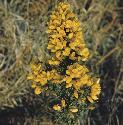
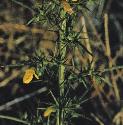
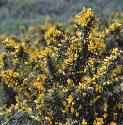
 Gorse Ulex europaeus from Wild Flowers as They Grow- Photographed by H. Essenhigh Corke, text by G. Clark Nuttall. Published by Cassell and Company, Ltd in 7 separate books between 1911 and 1914:-


 Greater Knapweed Centaurea scabiosa from Wild Flowers as They Grow- Photographed by H. Essenhigh Corke, text by G. Clark Nuttall. Published by Cassell and Company, Ltd in 7 separate books between 1911 and 1914:-
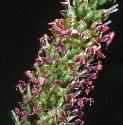
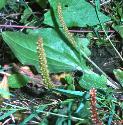

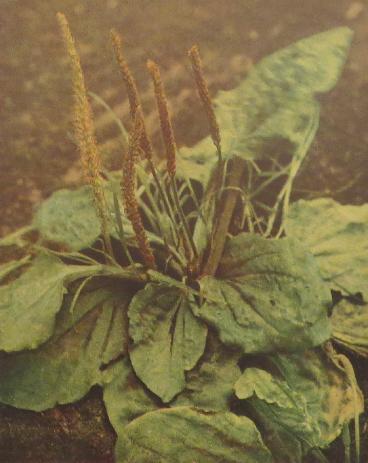 Greater Plantain Plantago major from Wild Flowers as They Grow- Photographed by H. Essenhigh Corke, text by G. Clark Nuttall. Published by Cassell and Company, Ltd in 7 separate books between 1911 and 1914:-


 Heartsease Viola tricolor from Wild Flowers as They Grow- Photographed by H. Essenhigh Corke, text by G. Clark Nuttall. Published by Cassell and Company, Ltd in 7 separate books between 1911 and 1914:-

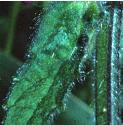
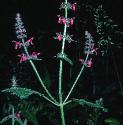
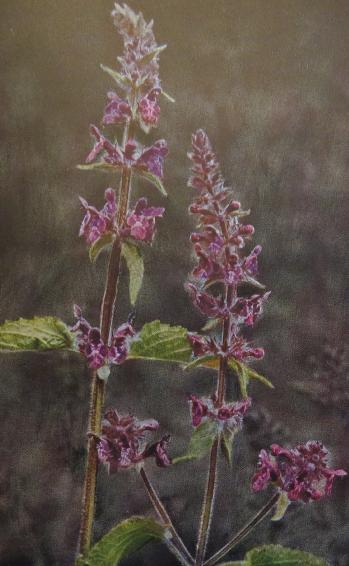 Hedge Stachys Stachys sylvatica from Wild Flowers as They Grow- Photographed by H. Essenhigh Corke, text by G. Clark Nuttall. Published by Cassell and Company, Ltd in 7 separate books between 1911 and 1914:-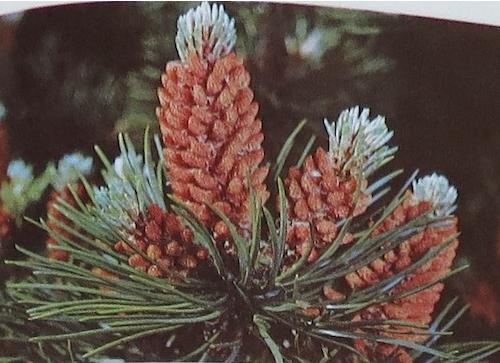


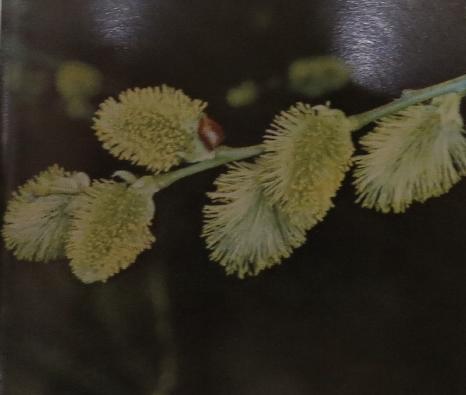


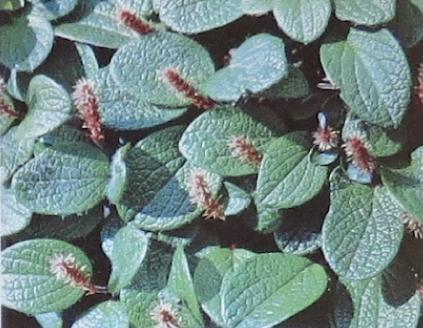
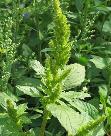


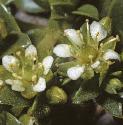

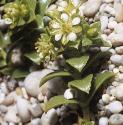


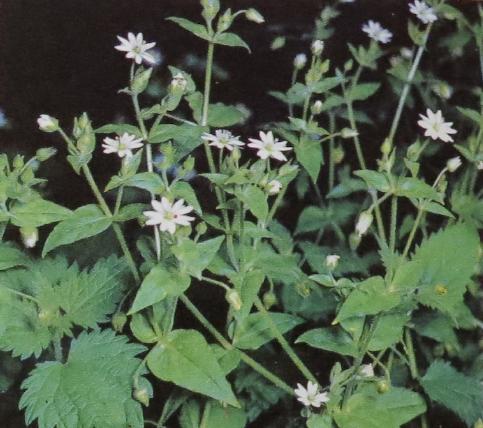


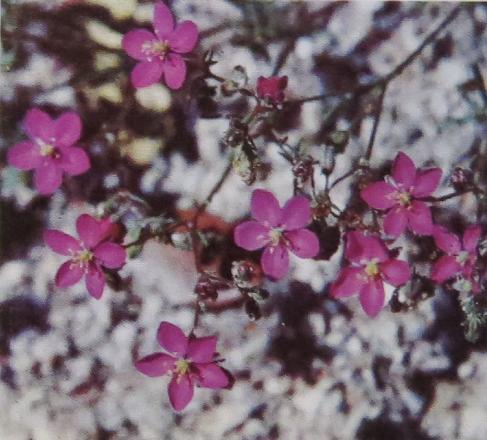


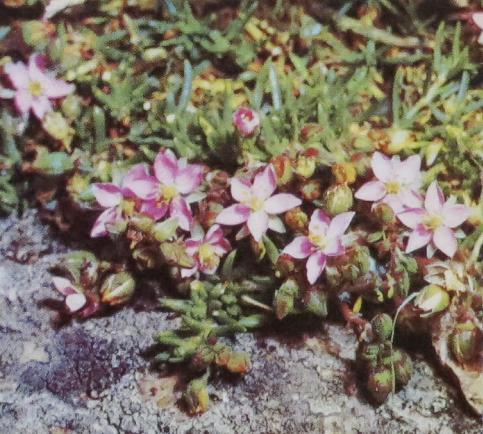


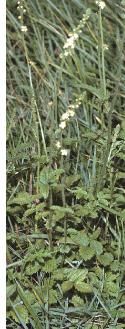


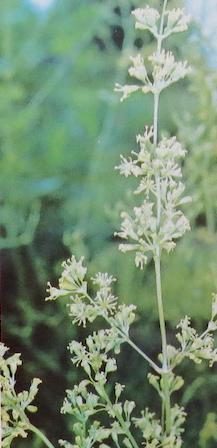







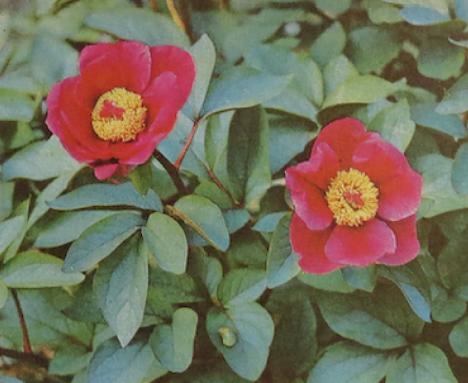
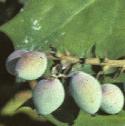


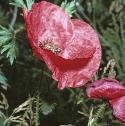
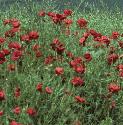
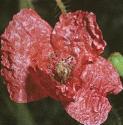
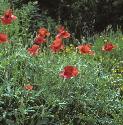
 Photo from Flowers of Europe A Field Guide by Oleg Polunin. Published by Oxford University Press in 1969.
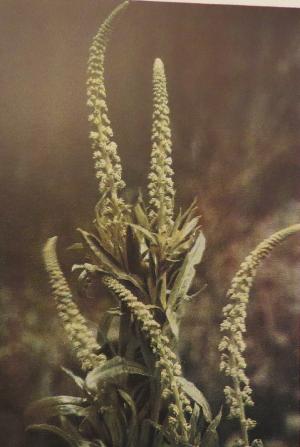 Dyer's Rocket Reseda luteola from Wild Flowers as They Grow- Photographed by H. Essenhigh Corke, text by G. Clark Nuttall. Published by Cassell and Company, Ltd in 7 separate books between 1911 and 1914:-
UKButterflies Larval Foodplants website page lists the larval foodplants used by British butterflies. The name of each foodplant links to a Google search. An indication of whether the foodplant is a primary or secondary food source is also given. Please note that the Butterfly you see for only a short time has grown up on plants as an egg, caterpillar and chrysalis for up to 11 months, before becoming a butterfly. If the plants that they live on during that time are removed, or sprayed with herbicide, then you will not see the butterfly. |
|
|||||||||
Plants used by the Butterflies follow the Plants used by the Egg, Caterpillar and Chrysalis as stated in and The Butterflies of Britain & Ireland New Revised Edition by Jeremy Thomas & Richard Lewington. |
||||||||||
Plant Name |
Butterfly Name |
Egg/ Caterpillar/ Chrysalis/ Butterfly |
Plant Usage |
Plant Usage Months |
||||||
Egg, |
1 egg under leaf. |
10 days in May-June |
||||||||
Egg, |
Eggs laid in batches encircling the branch of the food plant. |
Hatches after 18-22 days in April. |
||||||||
Egg, |
Groups of eggs on upper side of leaf. |
- |
||||||||
Egg, |
1 egg at base of plant. |
Late August-April |
||||||||
Egg, |
Groups of eggs on upper side of leaf. |
- |
||||||||
Egg, |
1 egg laid on underside of leaflets or bracts. |
7 days in June. |
||||||||
Egg, |
1 egg laid on underside of leaflets or bracts. |
7 days in June. |
||||||||
Egg, |
1 egg laid under the leaf or on top of the flower. |
7 days in August. |
||||||||
Egg, |
1 egg on underside of a flower bud on its stalk. |
7 days. |
||||||||
Egg, |
1 egg on underside of a flower bud on its stalk. |
7 days. |
||||||||
Egg, |
1 egg under leaf. |
10 days in May-June. |
||||||||
Egg, |
1 egg on leaf. |
2 weeks |
||||||||
Cabbages - Large White eats all cruciferous plants, such as cabbages, mustard, turnips, radishes, cresses, nasturtiums, wild mignonette and dyer's weed |
Egg,
|
40-100 eggs on both surfaces of leaf. |
May-June and August-Early September. 4.5-17 days. |
|||||||
Egg, |
1 egg on underside of leaf. |
May-June and August. 7 days. |
||||||||
Cabbages:- |
Egg, |
1 egg on underside of leaf. |
July or August; hatches in 3 days. |
|||||||
Cabbages:- |
Egg, |
1 egg laid in the tight buds and flowers. |
May-June 7 days. |
|||||||
Cherry with |
Egg, |
Eggs laid in batches encircling the branch of the food plant. |
Hatches after 18-22 days in April. |
|||||||
Egg, |
Groups of eggs on upper side of leaf. |
- |
||||||||
Egg, |
1 egg on leaf. |
10 days in May-June. |
||||||||
Egg, |
1 egg on leaf. |
6 days in May-June. |
||||||||
Egg, |
1 egg under leaf. |
|
||||||||
|
(Common CowWheat, Field CowWheat) |
Egg, |
Eggs laid in batches on the under side of the leaves. |
Hatches after 16 days in June. |
|||||||
Currants |
Egg, |
Groups of eggs on upper side of leaf. |
|
|||||||
Egg, |
Eggs laid in batches on the under side of the leaves. |
Hatches after 20 days in July. |
||||||||
Dog Violet with |
Egg, |
1 egg on oak or pine tree trunk |
15 days in July. |
|||||||
Dog Violet with |
Egg, |
1 egg on leaf or stem. |
Hatches after 15 days in May-June. |
|||||||
Dog Violet with |
Egg, |
1 egg on leaf or stem. |
Hatches after 10 days in May-June. |
|||||||
Egg, |
1 egg on underside of a flower bud on its stalk. |
7 days. |
||||||||
Egg, |
Eggs laid in batches encircling the branch of the food plant. |
Hatches after 18-22 days in April. |
||||||||
False Brome is a grass (Wood Brome, Wood False-brome and Slender False-brome) |
Egg, |
1 egg under leaf. |
... |
|||||||
Egg, |
Eggs laid in batches on the under side of the leaves. |
Hatches after 20 days in July. |
||||||||
Egg, |
1 egg laid on underside of leaflets or bracts. |
7 days in June. |
||||||||
Egg, |
1 egg on leaf or stem. |
Hatches after 10 days in May-June. |
||||||||
Egg, |
1 egg on underside of a flower bud on its stalk. |
7 days. |
||||||||
Egg, |
1 egg laid under the leaf or on top of the flower. |
7 days in August. |
||||||||
Egg, |
1 egg on leaf. 5 or 6 eggs may be deposited by separate females on one leaf. |
14 days in July-August. |
||||||||
Egg, |
1 egg on underside of a flower bud on its stalk. |
7 days. |
||||||||
Egg, |
1 egg laid in the tight buds and flowers. |
May-June 7 days. |
||||||||
Egg, |
Eggs laid in batches on the under side of the leaves. |
Hatches after 20 days in July. |
||||||||
Egg, |
Groups of eggs on upper side of leaf. |
|
||||||||
Egg, |
1 egg under leaf. |
1 then |
||||||||
Egg, |
1 egg on underside of a flower bud on its stalk. |
7 days. |
||||||||
Egg, |
1 egg at base of plant. |
Late August-April. |
||||||||
Egg, |
1 egg on leaf. |
10 days in May-June. |
||||||||
Egg, |
1 egg on leaf. |
2 weeks |
||||||||
Egg, |
1 egg on leaf. |
6 days in May-June. |
||||||||
Egg, |
1 egg on underside of leaf. |
May-June and August. 7 days. |
||||||||
Egg, |
1 egg on leaf. 5 or 6 eggs may be deposited by separate females on one leaf. |
14 days in July-August. |
||||||||
Narrow-leaved Plantain (Ribwort Plantain) |
Egg, |
Eggs laid in batches on the under side of the leaves. |
Hatches after 16 days in June. |
|||||||
Narrow-leaved Plantain (Ribwort Plantain) |
Egg, |
Eggs laid in batches on the under side of the leaves. |
Hatches after 16 days in June. |
|||||||
Nasturtium from Gardens |
Egg, |
1 egg on underside of leaf. |
May-June and August. 7 days. |
|||||||
Egg, |
1 egg on tree trunk |
15 days in July. |
||||||||
Mountain pansy, |
Egg, Chrysalis |
1 egg laid under the leaf or on top of the flower. |
7 days in August. 3 weeks in September |
|||||||
Egg, |
1 egg on tree trunk. |
15 days in July. |
||||||||
Egg, |
Eggs laid in batches on the under side of the leaves. |
Hatches after 20 days in July. |
||||||||
Egg, |
Eggs laid in batches encircling the branch of the food plant. |
Hatches after 18-22 days in April. |
||||||||
Egg, |
Groups of eggs on upper side of leaf. |
- |
||||||||
Egg, |
1 egg under leaf. |
|
||||||||
Egg, |
1 egg laid under the leaf or on top of the flower. |
7 days in August. |
||||||||
Egg, |
Eggs laid in batches encircling the branch of the food plant. |
Hatches after 18-22 days in April. |
||||||||
Egg, |
Eggs laid in batches on the under side of the leaves. |
Hatches after 16 days in June. |
||||||||
Egg, |
1 egg on underside of a flower bud on its stalk. |
7 days. |
||||||||
Egg, |
1 egg on underside of a flower bud on its stalk. |
7 days. |
||||||||
Egg, |
Groups of eggs on upper side of leaf. |
|
||||||||
Egg, |
1 egg under leaf. |
|
||||||||
Egg, |
1 egg on leaf. |
2 weeks |
||||||||
Trefoils 1, 2, 3 |
Egg, |
1 egg on leaf. |
6 days in May-June. |
|||||||
Egg, |
Groups of eggs on upper side of leaf. |
- |
||||||||
Egg, |
1 egg laid on underside of leaflets or bracts. |
7 days in June. |
||||||||
Violets:- |
Egg, |
1 egg on underside of leaf or on stalk. |
July-August for 17 days. |
|||||||
Violets:- |
Egg, |
1 egg on stem or stalk near plant base. |
July to hatch in 8 months in March. |
|||||||
Egg, |
1 egg on leaf. |
2 weeks. |
||||||||
Egg, |
Eggs laid in batches encircling the branch of the food plant. |
Hatches after 18-22 days in April. |
||||||||
Egg, |
1 egg on leaf. 5 or 6 eggs may be deposited by separate females on one leaf. |
14 days in July-August. |
||||||||
Willow |
Egg, |
Eggs laid in batches encircling the branch of the food plant. |
Hatches after 18-22 days in April. |
|||||||
Egg, |
Eggs laid in batches on the under side of the leaves. |
Hatches after 20 days in July. |
||||||||
Plants used by the Butterflies |
||||||||||
Plant Name |
Butterfly Name |
Egg/ Caterpillar/ Chrysalis/ Butterfly |
Plant Usage |
Plant Usage Months |
||||||
Asters |
Butterfly |
Eats nectar. |
|
|||||||
Runner and Broad Beans in fields and gardens |
Butterfly |
Eats nectar |
April-June or July-September. |
|||||||
Aubretia in gardens |
Butterfly |
Eats nectar |
May-June or August till killed by frost and damp in September-November |
|||||||
Butterfly |
Eats sap exuding from trunk. |
April-Mid June and Mid July-Early September for second generation. |
||||||||
Butterfly |
Eats nectar. |
20 days. |
||||||||
Butterfly |
Eats nectar |
May-June |
||||||||
Holly Blue |
Butterfly |
Eats nectar |
April-Mid June and Mid July-Early September for second generation. |
|||||||
Butterfly |
Eats nectar. |
July-October. |
||||||||
Buddleias |
Butterfly |
Eats nectar. |
July-October. |
|||||||
Wood White |
Butterfly |
Eats nectar |
May-June. |
|||||||
Cabbage and cabbages in fields |
Butterfly |
Eats nectar |
April-June or July-September. |
|||||||
Butterfly |
Eats nectar |
July-October |
||||||||
Adonis Blue |
Butterfly |
Eats nectar. |
1 Month during Mid-May to Mid-June or during August-September |
|||||||
Pale Clouded Yellow |
Butterfly |
Eats nectar |
May-June or August till killed by frost and damp in September-November |
|||||||
Cow-wheat |
Butterfly |
Eats nectar |
June-July |
|||||||
Butterfly |
Eats nectar |
May-June |
||||||||
Butterfly |
Eats nectar |
April-Mid June and Mid July-Early September for second generation. |
||||||||
Butterfly |
Eats nectar. |
3 weeks between May and September |
||||||||
Germander Speedwell (Veronica chamaedrys - Birdseye Speedwell) |
Butterfly |
Eats nectar |
June-July |
|||||||
Butterfly |
Eats nectar. |
July-October. |
||||||||
Butterfly |
Eats nectar |
30 days in May-June. |
||||||||
Butterfly |
Eats nectar |
May-September |
||||||||
Butterfly |
Eats nectar. |
May-June for 18 days. |
||||||||
Butterfly |
Eats nectar. |
July-October |
||||||||
Butterfly |
Eats nectar. |
1 Month. |
||||||||
Butterfly |
Eats nectar. |
July-October. |
||||||||
Painted Lady |
Butterfly |
Eats nectar |
July-October. |
|||||||
Marigolds in gardens |
Butterfly |
Eats nectar |
May-June or August till killed by frost and damp in September-November |
|||||||
Butterfly |
Eats nectar. |
1 Month during Mid-May to Mid-June or during August-September. |
||||||||
Michaelmas Daisies |
Butterfly |
Eats nectar. |
July-October |
|||||||
Butterfly |
Eats nectar |
April-June or July-September. |
||||||||
Narrow-leaved Plantain (Ribwort Plantain) |
Butterfly |
Eats nectar |
June-July |
|||||||
Nasturtiums in gardens |
Butterfly |
Eats nectar |
April-June or July-September |
|||||||
Butterfly |
Eats sap exuding from trunk. |
April-Mid June and Mid July-Early September for second generation. |
||||||||
Butterfly |
Eats nectar |
June. |
||||||||
Butterfly |
Eats nectar |
May-June. |
||||||||
Butterfly |
Eats nectar |
July-October. |
||||||||
Butterfly |
Eats nectar |
July-May |
||||||||
Butterfly |
Eats nectar |
7 weeks in July-August. |
||||||||
Comma |
Butterfly |
Eats nectar. |
July-October. |
|||||||
Butterfly |
Eats nectar. |
3 weeks between May and September |
||||||||
Trefoils 1, 2, 3 |
Butterfly |
Eats nectar. |
1 Month during Mid-May to Mid-June or during August-September |
|||||||
Butterfly |
Eats nectar. |
20 days in August. |
||||||||
Butterfly |
Eats nectar |
June.
|
||||||||
Butterfly |
Eats nectar |
June-July |
||||||||
Apple/Pear/Cherry/Plum Fruit Tree Blossom in Spring |
Butterfly |
Eats Nectar |
April-May |
|||||||
Rotten Fruit |
Butterfly |
Drinks juice |
July-September |
|||||||
Tree sap and damaged ripe fruit, which are high in sugar |
Butterfly |
Hibernates inside hollow trees or outhouses until March. Eats sap or fruit juice until April. |
10 months in June-April |
|||||||
Wild Flowers |
Large Skipper |
Butterfly |
Eats Nectar |
June-August |
||||||
Links to the other Butterflies:- Black Hairstreak uses Blackthorn, Privet, Guelder Rose, and Wayfaring tree I have detailed the use of plants by these eggs, caterpillars, chrysalis and butterfly in full with either photos of those butterflies, etc or illustrations from Sandars. It shows that they do use plants all year round and I will insert the information of their Life Histories into the remainder of the Butterfly Description Pages but I will put no further information in this table or the Butterfly Name with its use of plants table. Please see what a council did to destroy the native habitat, so that children could ride bicyles anywhere in the park in the row below. Details of what plant is used by each of the different 'egg, caterpillar, chrysalis or butterfly' unit and for how long is given in the table on the left. At least 2 of these butterflies live in America as well as in the UK in 2022:- |
||||||||||
The following is an excerpt from my Comments about the proposed destruction of the wildlife habitats at Cobtree Manor Park in the summer of 2010 from my Mission Statement page:- "We would be sorry to lose the butterflies on the bluebells, bramble and ivy that would be restricted to only the very small area of proposed Wildlife Meadow by the Woods at the bottom of a hill with water springs on it. The wildlife is now being excluded from all the other areas by the "pruning", so that the nettles, brambles etc which had for instance the butterfly life cycle included; are now being ruthlessly removed to create a garden, not a park, with neat little areas." When you look at the life history graphs of each of the 68 butterflies of Britain, you will see that they use plants throughout all 12 months - the information of what plant is used by the egg, caterpillar, chrysalis or butterfly is also given in the table on the left. With this proposed removal of all plants required for butterflies etc to live in and pro-create; at least once a year by the autumn or spring clearing up, you destroy the wildlife in this park as is done in every managed park in the world. Please leave something for the wildlife to live in without disturbance; rather than destroy everything so children can ride their bicycles anywhere they want when the park is open during the day and they are not at school. |
||||||||||
THE LIFE AND DEATH OF A FLAILED CORNISH HEDGE
September 21st. Most of the survey mile closely flailed today along both sides of the road. End note, June 2008. I hear spring vetch has been officially recorded somewhere in West Cornwall and confirmed as a presence in the county, so perhaps I can be permitted to have seen it pre-1972 in the survey mile. I wonder where they found it? It's gone from hedges where it used to be, along with other scarcities and so-called scarcities that used to flourish in so many hedges unrecorded, before the flail arrived. I have given careful thought to including mention of some of the plants and butterflies. So little seems to be known of the species resident in Cornish hedges pre-flail that I realise some references may invite scepticism. I am a sceptic myself, so sympathise with the reaction; but I have concluded that, with a view to re-establishing vulnerable species, it needs to be known that they can with the right management safely and perpetually thrive in ordinary Cornish hedges. In future this knowledge could solve the increasingly difficult question of sufficient and suitable sites for sustainable wild flower and butterfly conservation - as long as it is a future in which the hedge-flail does not figure.
CHECK-LIST OF TYPES OF CORNISH HEDGE FLORA by Sarah Carter of Cornish Hedges Library:-
Titles of papers available on www.cornishhedges.co.uk:-
THE GUILD OF CORNISH HEDGERS is the non-profit-making organisation founded in 2002 to support the concern among traditional hedgers about poor standards of workmanship in Cornish hedging today. The Guild has raised public awareness of Cornwall's unique heritage of hedges and promoted free access to the Cornish Hedges Library, the only existing source of full and reliable written knowledge on Cornish hedges." |
||||||||||
Common Name of each Plant within each Common Name Extras Page:- |
Common Name of each Plant within each Common Name Extras Page:- |
|
Common Name Extras 57 Common Name Extras 58:- Common Name Extras 59 Common Name Extras 60 |
Common Name Extras 60 Common Name Extras 61 Common Name Extras 62 Common Name Extras 63 Common Name Extras 64 United States Department of Agriculture Plant Hardiness Zone Map - This map of USA is based on a range of average annual minimum winter temperatures, divided into 13 of 10-degree F zones, that this plant will thrive in USA, Alaska, Hawaii and Puerto Rico. There are other Hardiness Zone Maps for the rest of the world including the one for Great Britain and Ireland of zones 7a to 10a. If the plant you see here has the same zone in your area of that country, then you can grow it at your home. |
Normally in the fourth column in the next table, I insert which countries in Europe, the plant is native in; introduced into or except from. Seeing which Native UK Wildflowers are also native in your country within Europe, Soviet Union, USA, Canada or China you can then use them with the cultivated plants for your country in your own home garden - so help your local wildlife including Butterflies - and home with snippets from Flower Arrangements from Wild Flowers by Violet Stevenson. Published by J M Dent & Sons in 1972. ISBN 0 460 07844 5. View my chapter precis before executing the flower arranging of the plants.
The Saxifraga Foundation is a network of European nature photographers, whose aim is to stimulate and facilitate the conservation of European biodiversity. They do so by providing high-quality nature pictures free of charge. The website free natureimages.eu is an initiative of the Saxifraga Foundation. The Saxifrage foundation is assisted by the Crossbill Guides Foundation, Dutch Butterfly Conservation (De Vlinderstichting) and Foto Fitis. Currently, Saxifraga is working on two projects. The first one is the construction of a gallery of pictures of European plants, animals and landscapes. To download these pictures, go to the Saxifraga Gallery. With the search engine you can search for images using the scientific name or the common name of plants and animals in Dutch and English. The second project is the creation of a collection of images of the Dutch landscape (NL in Beeld). This has been done by taking pictures in a grid in a systematic way. We have used the so called Amersfoort-coordinates, which are found on official Dutch topographic maps. The Amersfoort grid is a collection of square kilometers. To find more details visit the website of NL in Beeld. The pictures can be viewed at the Saxifraga Gallery.
British Trees website:- Acknowledgements |
Cultural Needs of Plants "Understanding Fern Needs |
||
|
||
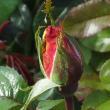
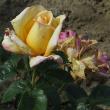
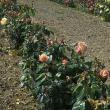
It is worth remembering that especially with roses that the colour of the petals of the flower may change - The following photos are of Rosa 'Lincolnshire Poacher' which I took on the same day in R.V. Roger's Nursery Field:- |
||
|
||
Closed Bud |
||
|
||
Opening Bud |
||
|
||
Juvenile Flower |
||
|
||
Older Juvenile Flower |
||
|
||
Middle-aged Flower - Flower Colour in Season in its |
||
|
||
Mature Flower |
||
|
||
Juvenile Flower and Dying Flower |
||
|
||
Form of Rose Bush |
||
There are 720 roses in the Rose Galleries; many of which have the above series of pictures in their respective Rose Description Page. So one might avoid the disappointment that the 2 elephants had when their trunks were entwined instead of them each carrying their trunk using their own trunk, and your disappointment of buying a rose to discover that the colour you bought it for is only the case when it has its juvenile flowers; if you look at all the photos of the roses in the respective Rose Description Page!!!! |
||
|
||
My current ambition at my retired age of 73 in 2022 (having started this website in 2005) is to complete the following:- Wildflower Flower Shape and Landscape Uses Gallery has an empty framework that I created on 20 February 2022. When all the remainder of the UK wildflowers have been checked:-
Then, the wildflower entries in the Wildflower Flower Shape and Landscape Uses Gallery will be filled in after each Wildflower has its cultivation details added to the Botanical Names and Common Names Galleries. Starting the above from 20 February 2022, I think it might take me a few years, but it does mean that as I progress then you will be able to associate more wildflowers with more of all the plant types of the cultivated plants who have similar growing requirements. Then, more of the natural world with its wildlife could also inhabit your garden. |
||
|
||
Aims of the Wild Flower Society
Plants included in Schedule 8 of the Wildlife and Countryside Act, 1981 |
||
Wild Flowers as They Grow- Photographed by H. Essenhigh Corke, text by G. Clark Nuttall. Published by Cassell and Company, Ltd in 7 separate books between 1911 and 1914 contains information about UK Native Wildflowers with 1 per chapter. I have summarised some of these chapters and put those into this website, but most will simply have a reference to which book it is in for you to read it yourself. |





From the Ivydene Gardens Box to Crowberry Wild Flower Families Gallery: |
||
The Bumblebee Pages website is divided into five major areas: • Bumblebees which deals solely with bumblebees, and was the original part of the site. • Invertebrates, which deals with all the other invertebrates. • Homework answers, where you'll find hints and tips to common questions set as biology, ecology, botany, zoology homework, there are also definitions of common terms in biology. • Window box gardens, this was started when we were exiled to central Paris, and 2 north-facing window boxes were all the garden available, however it was amazing the wildlife those window boxes attracted. You'll find plant lists, hints and tips, etc. • Torphins, this is the village in north-east Scotland where we are now located. In this part of the site you can find photographs of invertebrates found locally, where to see them and when, also links to pages with more detailed information.
FORCED INDOOR BULBS in Window Box Gardens. Once these have flowered don't throw them out. Cut off the heads (unless you want seed) then put them somewhere that the leaves can get the sun. This will feed the bulb for the next year. Once the leaves have died you can plant the bulbs outside and they will flower at the normal (unforced) time next year. The narcissus Tete-a-tete is particularly good, and provides early colour and a delicate fragrance too. Below I have listed groups of plants. I have tried to include at least four plants in each list as you may not be able to find all of them, although, unless you have a very large windowbox, I would recommend that you have just three in each box. |
||
Theme |
Plants |
Comments |
Thyme |
Thymus praecox, wild thyme Thymus pulegioides Thymus leucotrichus Thymus citriodorus |
Thymes make a very fragrant, easy to care for windowbox, and an excellent choice for windy sites. The flower colour will be pinky/purple, and you can eat the leaves if your air is not too polluted. Try to get one variegated thyme to add a little colour when there are no flowers. |
Herb |
Sage, mint, chives, thyme, rosemary |
Get the plants from the herb section of the supermarket, so you can eat the leaves. Do not include basil as it need greater fertility than the others. Pot the rosemary up separately if it grows too large. |
Mints |
Mentha longifolia, horse mint Mentha spicata, spear mint Mentha pulgium, pennyroyal Mentha piperita, peppermint Mentha suaveolens, apple mint |
Mints are fairly fast growers, so you could start this box with seed. They are thugs, though, and will very soon be fighting for space. So you will either have to thin and cut back or else you will end up with one species - the strongest. The very best mint tea I ever had was in Marrakesh. A glass full of fresh mint was placed in front of me, and boiling water was poured into it. Then I was given a cube of sugar to hold between my teeth while I sipped the tea. Plant this box and you can have mint tea for months. |
Heather |
Too many to list See Heather Shrub gallery |
For year-round colour try to plant varieties that flower at different times of year. Heather requires acid soils, so fertilise with an ericaceous fertilser, and plant in ericaceous compost. Cut back after flowering and remove the cuttings. It is best to buy plants as heather is slow growing. |
Blue |
Ajuga reptans, bugle Endymion non-scriptus, bluebell Myosotis spp., forget-me-not Pentaglottis sempervirens, alkanet |
This will give you flowers from March till July. The bluebells should be bought as bulbs, as seed will take a few years to flower. The others can be started from seed. |
Yellow |
Anthyllis vulneraria, kidney vetch Geum urbanum, wood avens Lathryus pratensis, meadow vetchling Linaria vulgaris, toadflax Lotus corniculatus, birdsfoot trefoil Primula vulgaris, primrose Ranunculus acris, meadow buttercup Ranunculus ficaria, lesser celandine |
These will give you flowers from May to October, and if you include the primrose, from February. Try to include a vetch as they can climb or trail so occupy the space that other plants can't. All can be grown from seed. |
White |
Trifolium repens, white clover Bellis perennis, daisy Digitalis purpurea alba, white foxglove Alyssum maritimum Redsea odorata, mignonette |
All can be grown from seed. The clover and daisy will have to be cut back as they will take over. The clover roots add nitrogen to the soil. The mignonette flower doesn't look very special, but the fragrance is wonderful, and the alyssum smells of honey. |
Pink |
Lychnis flos-cucli, ragged robin Scabiosa columbaria, small scabious Symphytum officinale, comfrey |
The comfrey will try to take over. Its leaves make an excellent fertiliser, and are very good on the compost heap, though windowbox gardeners rarely have one. |
Fragrant |
Lonicera spp., honeysuckle Alyssum maritimum Redsea odorata, mignonette Lathyrus odoratus, sweet pea |
The sweet pea will need twine or something to climb up, so is suitable if you have sliding windows or window that open inwards. You will be rewarded by a fragrant curtain every time you open your window. |
Spring bulbs and late wildflowers |
Galanthus nivalis, snowdrop Narcissus pseudonarcissus, narcissius Crocus purpureus, crocus Cyclamen spp. |
The idea of this box is to maximize your space. The bulbs (cyclamen has a corm) will flower and do their stuff early in the year. After flowering cut the heads off as you don't want them making seed, but leave the leaves as they fatten up the bulbs to store energy for next year. The foliage of the wildflowers will hide the bulb leaves to some extent. Then the wildflowers take over and flower till autumn |
Aster spp., Michaelmas daisy Linaria vulgaris, toadflax Lonicera spp., honeysuckle Succisa pratensis, devil's bit scabious Mentha pulgium, pennyroyal |
||
|
|
|
Bee Garden in Europe or North America |
|
|
Wildlife-friendly Show Gardens With around 23 million gardens in the UK, covering 435,000 ha, gardens have great potential as wildlife habitats. And, with a bit of planning and a few tweaks, they can indeed be wonderful places for a whole host of creatures, from birds to bees, butterflies, frogs and toads, as well as many less obvious creatures. Wildlife-friendly gardens can be beautiful too, and a colourful garden full of life can lift the spirits and give immense pleasure, and can also help to connect people, both young and old, with our wonderful wildlife. The eight-point plan for a wildlife-friendly garden
Many of our gardens at Natural Surroundings demonstrate what you can do at home to encourage wildlife in your garden. Follow the links below to explore our show gardens, and when you visit, be sure to pick up a copy of our Wildlife Gardening Trail guide
|
||
Database of Insects and their Food Plants from the Biological Records Centre:- This database is primarily a collation of published interactions between Great Britain 's invertebrate herbivores (insects and mites) and their host plants. There are also some interactions for the invertebrates closely associated with herbivores, such as predators, parasitoids, cleptoparasites and mutualists. DBIF contains about 47,000 interactions for roughly 9,300 invertebrate taxa (species, sub-species and forms) and 5,700 plant taxa (species, genera and broader groupings). DBIF aims to help researchers access the accumulated knowledge of British plant-herbivore interactions, which is otherwise scattered throughout a vast published literature. The database complements the more specialised internet resources that focus on particular groups (see Links). We hope that the database is of use to professional researchers in the environmental sciences and expert amateurs alike. DBIF is derived from the Phytophagous Insect Data Bank (see PIDB), which was the brainchild of Dr Lena Ward. Many people have contributed to the version of the database presented here; we would like to thank them all for their varied and skilled support (see Acknowledgements). To ensure that the information held in the database is used appropriately, please take time to read about what the database contains (see Description of the database ), and what caveats or limitations may apply (see Interpreting foodplant records and Limitations ). Lastly, DBIF is a work in progress and this website is still under development in some areas. We would be very surprised if you did not find some omissions, or nomenclature that did not need updating. Please alert us (see Contact us) of any necessary changes or of the presence of new sources. They will be incorporated in future updates. A companion piece in the naturalists' magazine British Wildlife (Smith & Roy, 2008) serves as an introduction to invertebrate herbivory and DBIF. |
||
From the Ode to the London Plane Tree by Heather Greaves:- "They are also very important to the city of New York (and not just because the leaf is the Parks Department logo). The London plane, usually considered Platanus x acerifolia but also known by other Latin epithets, is not really native, although it very closely resembles the native American sycamore, Platanus occidentalis. Actually, it is probably a cross between this American species and Platanus orientalis, a Eurasian relative. In any case, it has been widely planted as a city tree for decades, which turns out to be a good idea. In its assessment of the New York City urban forest, the US Forest Service Northern Research Station determined that the London plane is the most important city tree we have. They base this conclusion on several factors. For one thing, London planes have a very high leaf area per tree; that is, the London plane gives us a lot more pretty, shady, air-filtering, evaporatively-cooling leaves per single trunk than most other species in the city. In fact, according to the Forest Service, London planes make up just 4% of the city tree population, but represent 14% of the city's total leaf area. (Compare this with the virulently invasive tree of heaven [Ailanthus altissima], which constitutes 9% of the tree population but only about 4% of the total leaf area.) Also, because they tend to become very tall and have large canopies, London planes are our best trees for carbon storage and sequestration. They are holding on to about 185,000 tons of carbon (14% of the total urban tree carbon pool), and each year they sequester another 5,500 or so tons (about 13% of all the carbon sequestered by city trees each year). That makes them both gorgeous and highly beneficial: all in all, good trees to have around." |
||
From Sarah Ravens Kitchen & Garden:- Wildflowers - Chalk and sand, freely-drained soil mix A wonderfully varied self-sowing wild flower mix for thin, poor, chalky or sandy soils to give your garden or field flowers right through the year and food for the birds and bees. Spring into Summer Flowering • Cowslip March – May Summer into Autumn Flowering • Field Scabious June – September
From Sarah Ravens Kitchen & Garden:- Wildflowers - Clay and rich loam soil mix There are two main things I want from my wildflower meadow – to look beautiful for months not weeks, with flowers coming out and going over in succession AND to grow pollen-rich, insect friendly plants from EARLY in the year to LATE. I want my patch to be a regular and reliable food source for the birds and the bees. That’s what you’ll get with this beautiful selection of my favourite easy and reliable perennial wild flowers. General Height: 60cm. Sow: April- June Spring into Summer Flowering • Cowslip March – May Summer into Autumn Flowering • Self Heal June – September |
||
", in the Vermont hills, is a biodynamic farm using organic practices. Natural minerals and planned grazing with American Milking Devon cattle rejuvenate the soil, sequester carbon and yield nutrient dense foods and medicines including milk, grass fed meats, eggs, fermented vegetables (sauerkraut and kimchi / kim-chi), and herbal tinctures. We offer educational opportunities, farm visits, and seminars on nutrition, growing and preparing nutrient dense food, diversified farming and fermentation. |
||
Edible Plants Club website "has been created largely from the point of view of a plantsman interested in the many different resources available in the plant world, especially edible and medicinal plants. What started me off on this path was reading Robert Harts book Forest Gardening and then Ken Fearns Plants for a Future and also Richard Mabeys 'Food For Free' along the way. This also led to me to change my career and become a gardener." |
'Sort out your soil' - A practical guide to Green Manures, and Frequently Asked Questions from the Receptionist Myrtle of Cotswold Grass Seeds.
See Table 10 in Brown Wildflower Note Map Page. |
Saltmarsh Management Manual from the Environment Agency informs you about:-
|
Helping Earth's Sustainable Management with a Plant "Alternatives to the burning of fossil fuels, nuclear waste, deforestation and nitrate chemical fertilizers need to be developed. Hemp could have a vital role to play in the development of friendly alternatives. Energy production A report published by the FCDA of Europe outlines the Cannabis Biomass Energy Equation (CBEE), outlining a convincing case that hemp plants can be used to produce fuel energy CHEAPER per BtU than fossil fuels and uranium - WITHOUT PRODUCING GREENHOUSE GASES! Hemp plants have the highest known quantities of cellulose for annuals - with at least 4x (some suggest even 50-100x) the biomass potential of its closest rivals (cornstalks, sugarcane, kernaf and trees) (Omni, 1983). Biomass production still produces greenhouse gases, although the idea is that the excess of carbon dioxide will be used up by growing hemp plants - they are effective absorbers and thrive at high levels - Unlike fossil fuel energy which produces energy from plants which died millions of years ago. On reading the report of the FCDA, Hon. Jonathon Porrit (ex-director of Friends of the Earth, currently on the Board of Forum for the Future) commented 'I DID enjoy reading it - the report should contribute much'. Three years later - authorities are still not taking the potential of this plant seriously. MAFF are currently engaging in supporting research into the biomass potential of poplar trees which they claim has the most scientific support for biomass energy production. H-E-M-P recommend use of the hemp plant if biomass energy production is to have any real impact in reducing carbon dioxide levels. IT'S SO PRODUCTIVE! 1 acre of hemp = 1,000 gallons of methanol. In fact, Henry Ford's first car ran on hemp-methanol! - and at just a fraction of the cost of petroleum alternatives. Alternatives to coal, fuel oil, acetone, ethyl, tar pitch and creosote can be derived - from this one single plant! As regards depletion of the ozone layer - hemp actually withstands UV radiation. It absorbs UV light, whilst resisting damage to itself and providing protection for everything else. Risk-free, pollution-free energy. No acid rain, and a reduction in airborne pollution of up to 80% ... There's further potential for the same in industry. " |
||
Suppliers of British native-origin seeds and plants:- "Flora locale maintains a list of suppliers who should be able to supply seeds and/or plants of known British (and sometimes known local) native-origin. Although not all their stock will necessarily be of British native-origin, they should be able to provide details of provenance on request. View Flora locale's list of suppliers - follow the "Suppliers of native flora" link. You may also wish to view the Really Wild Flowers site, which contains a wealth of information about creating habitats and cultivating native species." |
British Native Plants List of Edible Plants:- "I thought it would be useful to include native plant lists from different regions of the world. This list is from British Isles (including Ireland and the Channel Islands) and was compiled by Professor Clive Stace of the University of Leicester for the FFF conference on Native Plants held at the Linnean Society of London, June 1997. It can be found here at the postcode plants database." |
|
Plants for moths (including larval food plants and adult nectar sources) from Gardens for Wildlife - Practical advice on how to attract wildlife to your garden by Martin Walters as an Aura Garden Guide. Published in 2007 - ISBN 978 1905765041:- |
Marjoram - Origanum officinale |
|
Ivydene Gardens Water Fern to Yew Wild Flower Families Gallery: |
Only Wildflowers detailed in the following Wildflower Colour Pages |
|
|||||||||||||||
Jan |
Feb |
Mar |
Apr |
May |
Jun |
Jul |
Aug |
Sep |
Oct |
Nov |
Dec |
||||||
1 |
Blue |
||||||||||||||||
1 |
|||||||||||||||||
1 |
Cream |
||||||||||||||||
1 |
|||||||||||||||||
1 |
|||||||||||||||||
1 |
|||||||||||||||||
1 |
|||||||||||||||||
1 |
|||||||||||||||||
1 |
|||||||||||||||||
1 |
|||||||||||||||||
1 |
White A-D |
||||||||||||||||
1 Yellow |
|||||||||||||||||
1 |
|||||||||||||||||
1 |
|||||||||||||||||
1 |
|||||||||||||||||
1 |
Flowering plants of |
||||||||||||||||
1 |
Flowering plants of |
||||||||||||||||
"The main systems of the human body are:
" from Wikipedia. |
"A mature tree has three basic parts: 1) roots, 2) crown, and 3) trunk or bole, with these functions:- Roots -
Crown -
Trunk or Bole
" from ScienceFacts.net. |
Function 1 - Breathing in oxygen and expelling carbon dioxide keeps humans alive. "An average size tree produces enough oxygen in one year to keep a family of four breathing." from Nitrofil. |
Roots require both oxygen and water. Compacted soil will also kill the roots since air and water cannot reach them. "On a park property that receives flood irrigation, a project manager informed me that they wait at least 5 days after an irrigation cycle to conduct any business in and around the park trees. This is a great policy to help prevent damage to the roots that rely on adequate soil oxygen to remain functional and healthy." from Integrity Tree Service. Compacted soil occurs on tarmac pavements when they are created by rollers and compactioin machines. Once that has finished then both people and vehicles compact the soil on a regular basis. The tarmac surface stops the rain, oxygen and nutrients from getting below into the soil, so once those elements have been used by the roots, then the roots will have excreted its waste products and then they will die off. This shows the roots of a tree onthe ground surface and another where the cowded roots are girdling a tree - this girdle will then kill the tree, since eventually the sapwood will no longer go past it to the roots having been converted into dead heartwood and thus water and nutrients will not transported up the trunk |
Function 2 - This uses the mouth to take in food and water, which is then digested by the digestion system, with water. |
Roots absorb the nutrients dissolved in water. These then get transferred up the roots, the trunk and to the crown together with water goes up in the sapwood. |
Function 2 - As the food is digested it produces nutrients for circulation round the body in the Circulatory System of Function 1. |
Leaves produce food for the plant. |
Function 2 - When we eat too much then the excess will most likely be converted to fat and stored somewhere in the body for later use when food supply is insufficient. |
The Trunk transports the food prepared by the leaves to all parts of the plant. "It is well known that trees act as carbon sinks, taking in carbon dioxide from the air during photosynthesis and releasing the oxygen that humans breathe. While trees use carbon dioxide to make their own food, they actually need oxygen (much like humans do) to process that food into energy. |
Function 7 - The nervous system indicates if there is a problem. This is passed to the Brain, which hopefully will have a solution, which gets transmitted to the respective parts of the body to execute this solution. |
If a problem occurs on a branch of a tree, that information is transmitted down the nerve system in the centre of each branch and trunk to junction between the roots and the trunk. A possible solution is then transmitted back to the affected area. We had a clump og hostas growing in a small bed shadowed by fencing. Each spring the slugs would eat the foliage. The hosta got fed up with this and sent instructions to the new leaves to produce something that the slugs would not like. Then for several years we had lovely hostas with flowers before being herbaceous they died down in the autumn. Some trees in our local park had their juvenile foliage stripped off during some springtimes by caterpillars. They got round that by producing another set of leaves once all the caterpillars had transposed. Plants can also help each other and although they do not have lightning fast nerve systems, they get along |
I can further wate my time in trying to get the most stupid animal in this world to understand that it is killing itself and the world round itself with concrete, tarmac and metal. You have the answer in
|
|