Ivydene Gardens Blue Wildflowers Note Gallery: |
|||||||||||||||||||||||||||||||||||||||||||||||||||||||||||||||||||||||||||||||||||||||||||||||
See in which Ground Condition and Ground Moisture these plants on this page are in the |
|||||||||||||||||||||||||||||||||||||||||||||||||||||||||||||||||||||||||||||||||||||||||||||||
Plant Height from Text Border |
Blue = 0-24 inches (0-60 cms) |
Green=24-72 inches (60-180 cms) |
Red = 72+ inches (180+ cms) |
||||||||||||||||||||||||||||||||||||||||||||||||||||||||||||||||||||||||||||||||||||||||||||
Plant Soil Moisture from Text Background |
Wet Soil |
Moist Soil |
Dry Soil |
||||||||||||||||||||||||||||||||||||||||||||||||||||||||||||||||||||||||||||||||||||||||||||
Click on thumbnail to change this comparison page to the Plant Description Page of the plant named in the Text box below the photo. |
|||||||||||||||||||||||||||||||||||||||||||||||||||||||||||||||||||||||||||||||||||||||||||||||
|
|
|
|
|
|
|
|
||||||||||||||||||||||||||||||||||||||||||||||||||||||||||||||||||||||||||||||||||||||||
BUTTER-CUP Mar-Aug |
BUTTER-CUP Mar-Aug |
BUTTER-CUP Thread-leaved Water-Crowfoot IN DUNE-SLACKS, AND SHAL-LOW PONDS AND DRAIN-AGE DITCHES |
BUTTER-CUP Various-leaved Water-Crowfoot STREAMS Mar-Aug |
BUTTER-CUP Mar-Aug |
BUTTER-CUP Mar-May |
CRUCIF-ER May-Jun |
CRUCIF-ER Mar-May |
||||||||||||||||||||||||||||||||||||||||||||||||||||||||||||||||||||||||||||||||||||||||
|
|
|
|
|
|
|
|
||||||||||||||||||||||||||||||||||||||||||||||||||||||||||||||||||||||||||||||||||||||||
CRUCIF-ER Sheph-herd's Purse (rubella) WEED IN GARDENS AND CULT-IVATED FIELDS WITH BROAD-LEAVED CROPS Jan-Dec |
CRUCIF-ER Common Penny-cress WEED IN GARDENS AND CULT-IVATED FIELDS WITH BROAD-LEAVED CROPS. USED IN SAND-WICH SPREAD May - onwards |
CRUCIF-ER Common Pepper-wort May-Aug |
CRUCIF-ER Common Scurvy-grass MOIST, OPEN, COASTAL AND ON HEDGE BANKS Apr-Aug |
CRUCIF-ER Common Wart Cress DRY OR WINTER-WET FARM-YARDS, PATHS, GATE-WAYS May - onwards |
CRUCIF-ER Common Whitlow-grass LIME-STONE CLIFFS, SAND DUNES, SANDY BANKS, COASTAL AND RIPARIAN SHINGLE, WALLS Mar-Jun |
CRUCIF-ER Cotswold Penny-cress SCREES, STONY BANKS, OPEN PAST-URES, OLD QUAR-RIES Apr-May |
CRUCIF-ER Feb-Sep |
||||||||||||||||||||||||||||||||||||||||||||||||||||||||||||||||||||||||||||||||||||||||
|
|
|
|
|
|
|
|
||||||||||||||||||||||||||||||||||||||||||||||||||||||||||||||||||||||||||||||||||||||||
CRUCIF-ER Garden Arabis Apr-May |
CRUCIF-ER Garden Cress ANNUAL OF WASTE-LAND FROM BIRD-SEED. ADD TO SAND-WICHES AND SALADS Jun-Aug |
CRUCIF-ER Garden Radish GARDEN ESCAPE OR FROM BIRD-SEED ON TIPS AND WASTE PLACES May - onwards |
CRUCIF-ER Mar - onwards |
CRUCIF-ER May-Aug |
CRUCIF-ER May-Jul |
CRUCIF-ER Hutchin-sia alpina ON LIME-STONE ROCK, WALLS AND SAND-DUNES. IS GROWN IN GARDENS Mar-May |
CRUCIF-ER Apr-Jun |
||||||||||||||||||||||||||||||||||||||||||||||||||||||||||||||||||||||||||||||||||||||||
|
|
|
|
|
|
|
|
||||||||||||||||||||||||||||||||||||||||||||||||||||||||||||||||||||||||||||||||||||||||
WATER PLANT-AIN Arrow-head Jul-Aug |
UMBELL-IFER Jun - onwards |
FUMIT-ORY White Ramping Fumitory May-Sep |
CRUCIF-ER May |
CRUCIF-ER Dame's Violet SHADED MOIST AREAS IN HEDGE-ROWS AND WOOD BORD-ERS, ON RIVER-BANKS May-Aug |
CRUCIF-ER Apr-Jun |
CRUCIF-ER Apr-Jun |
CRUCIF-ER Horse-radish GARDEN ESCAPE TO ROAD-SIDES, RAIL-WAYS, SANDY SEA-SHORES AND RIVER-BANKS. ROOT USED IN HORSE-RADISH SAUCE May-Aug |
||||||||||||||||||||||||||||||||||||||||||||||||||||||||||||||||||||||||||||||||||||||||
|
|
|
|
|
|
|
|
||||||||||||||||||||||||||||||||||||||||||||||||||||||||||||||||||||||||||||||||||||||||
UMBELL-IFER Jun-Aug |
UMBELL-IFER Jun-Aug |
CRUCIF-ER May-Jun |
CRUCIF-ER May-Jul |
|
|
|
|
||||||||||||||||||||||||||||||||||||||||||||||||||||||||||||||||||||||||||||||||||||||||
|
|
|
|
|
|
|
|
||||||||||||||||||||||||||||||||||||||||||||||||||||||||||||||||||||||||||||||||||||||||
PINK Bladder Campion ROAD-SIDE VERGE, QUARRY, GRAVEL-PIT, RAIL-WAY BANKS, WALLS Jun-Aug |
PINK Lesser Stitch-wort WOOD-LAND CLEAR-ING, HAY MEADOW GRASS-HEATH, HEDGE BANKS Jun-Aug |
|
|
|
|
|
|
||||||||||||||||||||||||||||||||||||||||||||||||||||||||||||||||||||||||||||||||||||||||
|
|
|
|
|
|
|
|
||||||||||||||||||||||||||||||||||||||||||||||||||||||||||||||||||||||||||||||||||||||||
PINK Notting-ham Catchfly GRASSY CLIFFS, SAND DUNES AND SHINGLE May-Jul |
PINK Ragged Robin MARSH AND WOODS May-Jul |
|
|
|
|
|
|
||||||||||||||||||||||||||||||||||||||||||||||||||||||||||||||||||||||||||||||||||||||||
|
|
|
|
|
|
|
|
||||||||||||||||||||||||||||||||||||||||||||||||||||||||||||||||||||||||||||||||||||||||
UMBELL-IFER Jun-Jul |
UMBELL-IFER Jun-Jul |
|
|
|
|
|
|
||||||||||||||||||||||||||||||||||||||||||||||||||||||||||||||||||||||||||||||||||||||||
|
|
|
|
|
|
|
|
||||||||||||||||||||||||||||||||||||||||||||||||||||||||||||||||||||||||||||||||||||||||
Site design and content copyright ©January 2016. Photos and other details added February 2017. Chris Garnons-Williams. DISCLAIMER: Links to external sites are provided as a courtesy to visitors. Ivydene Horticultural Services are not responsible for the content and/or quality of external web sites linked from this site. |
Marjorie Blamey's Wild Flowers by Colour by Marjorie Blamey (ISBN 0-7136-7237-4. Published by A & C Black Publishers Ltd in 2005) has illustrations of each wild flower of Britain and Northern Europe split into the following 13 colours. Instead of colour illustrations, this plant gallery has thumbnail pictures of wild flowers of Britain in the same colour split system:-
|
||||||||||||||||||||||||||||||||||||||||||||||||||||||||||||||||||||||||||||||||||||||||||||||
Form from
Form for Wildflowers:- Mat-forming These Forms are used for Bulbs with Herbaceous and Evergreen Perennials.
Shape for Evergreen Shrubs:- These Forms and Shapes are also used for Deciduous and Evergreen Shrubs and Trees. |
|||||||||||||||||||||||||||||||||||||||||||||||||||||||||||||||||||||||||||||||||||||||||||||||
Wildflowers with White Flowers |
|||||||||||||||||||||||||||||||||||||||||||||||||||||||||||||||||||||||||||||||||||||||||||||||
Wildflower Common Plant Name Click on Underlined Text
Flower Photo Flowers Photo Foliage Photo Form Photo
|
Flowering Months Click on Underlined Text |
Habitat Click on Underlined Text
Native in:- |
Number of Petals Without Petals. |
Foliage Colour |
Height x Spread in inches (cms) (1 inch = 2.5 cms, |
Comment Click on Underlined Botanical Name
See illustration
Botanical Name |
|||||||||||||||||||||||||||||||||||||||||||||||||||||||||||||||||||||||||||||||||||||||||
White Flowers A-D |
|||||||||||||||||||||||||||||||||||||||||||||||||||||||||||||||||||||||||||||||||||||||||||||||
Achillea nobilis |
|
|
|
|
|
|
|||||||||||||||||||||||||||||||||||||||||||||||||||||||||||||||||||||||||||||||||||||||||
Aconite-leaved Buttercup |
|
|
|
|
|
|
|||||||||||||||||||||||||||||||||||||||||||||||||||||||||||||||||||||||||||||||||||||||||
Allseed |
|
|
|
|
|
|
|||||||||||||||||||||||||||||||||||||||||||||||||||||||||||||||||||||||||||||||||||||||||
Alpine Bastard-toadflax |
|
|
|
|
|
|
|||||||||||||||||||||||||||||||||||||||||||||||||||||||||||||||||||||||||||||||||||||||||
Alpine Bistort |
|
|
|
|
|
|
|||||||||||||||||||||||||||||||||||||||||||||||||||||||||||||||||||||||||||||||||||||||||
Alpine Bittercress |
|
|
|
|
|
|
|||||||||||||||||||||||||||||||||||||||||||||||||||||||||||||||||||||||||||||||||||||||||
Alpine Butterwort |
|
|
|
|
|
|
|||||||||||||||||||||||||||||||||||||||||||||||||||||||||||||||||||||||||||||||||||||||||
Alpine Enchanter's Nightshade |
|
|
|
|
|
|
|||||||||||||||||||||||||||||||||||||||||||||||||||||||||||||||||||||||||||||||||||||||||
Alpine Knotgrass |
|
|
|
|
|
|
|||||||||||||||||||||||||||||||||||||||||||||||||||||||||||||||||||||||||||||||||||||||||
Alpine Moon-daisy |
|
|
|
|
|
|
|||||||||||||||||||||||||||||||||||||||||||||||||||||||||||||||||||||||||||||||||||||||||
Alpine Mouse-ear |
|
|
|
|
|
|
|||||||||||||||||||||||||||||||||||||||||||||||||||||||||||||||||||||||||||||||||||||||||
Alpine Pasque Flower |
|
|
|
|
|
|
|||||||||||||||||||||||||||||||||||||||||||||||||||||||||||||||||||||||||||||||||||||||||
Alpine Pearlwort |
|
|
|
|
|
|
|||||||||||||||||||||||||||||||||||||||||||||||||||||||||||||||||||||||||||||||||||||||||
Alpine Pennycress |
|
|
|
|
|
|
|||||||||||||||||||||||||||||||||||||||||||||||||||||||||||||||||||||||||||||||||||||||||
Alpine Rock-cress , |
|
|
|
|
|
|
|||||||||||||||||||||||||||||||||||||||||||||||||||||||||||||||||||||||||||||||||||||||||
Alpine Sandwort |
|
|
|
|
|
|
|||||||||||||||||||||||||||||||||||||||||||||||||||||||||||||||||||||||||||||||||||||||||
Angular Solomon's Seal is |
Jun-Jul Greenish-white tubular flowers with green tips |
A rhizomatous, perennial herb of ancient Fraxinus woods, often growing in crevices and on outcrops of limestone. |
Over 6 Petals |
Green |
33 x 12 |
||||||||||||||||||||||||||||||||||||||||||||||||||||||||||||||||||||||||||||||||||||||||||
Anise |
|
|
|
|
|
|
|||||||||||||||||||||||||||||||||||||||||||||||||||||||||||||||||||||||||||||||||||||||||
Annual Androsace |
|
|
|
|
|
|
|||||||||||||||||||||||||||||||||||||||||||||||||||||||||||||||||||||||||||||||||||||||||
Annual Gypsophila |
|
|
|
|
|
|
|||||||||||||||||||||||||||||||||||||||||||||||||||||||||||||||||||||||||||||||||||||||||
Annual Pearlwort is |
|
|
|
|
|
|
|||||||||||||||||||||||||||||||||||||||||||||||||||||||||||||||||||||||||||||||||||||||||
Annual Rockcress |
|
|
|
|
|
|
|||||||||||||||||||||||||||||||||||||||||||||||||||||||||||||||||||||||||||||||||||||||||
Anthericum ramosum |
|
|
|
|
|
|
|||||||||||||||||||||||||||||||||||||||||||||||||||||||||||||||||||||||||||||||||||||||||
American Speedwell |
|
|
|
|
|
|
|||||||||||||||||||||||||||||||||||||||||||||||||||||||||||||||||||||||||||||||||||||||||
Arabis pauciflora |
|
|
|
|
|
|
|||||||||||||||||||||||||||||||||||||||||||||||||||||||||||||||||||||||||||||||||||||||||
Arabis planisiliqua |
|
|
|
|
|
|
|||||||||||||||||||||||||||||||||||||||||||||||||||||||||||||||||||||||||||||||||||||||||
Arctic Mouse-ear |
|
|
|
|
|
|
|||||||||||||||||||||||||||||||||||||||||||||||||||||||||||||||||||||||||||||||||||||||||
Arctic Sandwort, Scottish Sandwort is |
|
|
|
|
|
|
|||||||||||||||||||||||||||||||||||||||||||||||||||||||||||||||||||||||||||||||||||||||||
Arctic Saxifrage |
|
|
|
|
|
|
|||||||||||||||||||||||||||||||||||||||||||||||||||||||||||||||||||||||||||||||||||||||||
Arenaria |
|
|
|
|
|
|
|||||||||||||||||||||||||||||||||||||||||||||||||||||||||||||||||||||||||||||||||||||||||
Argentine Pepperwort |
|
|
|
|
|
|
|||||||||||||||||||||||||||||||||||||||||||||||||||||||||||||||||||||||||||||||||||||||||
Arrow-head is |
|
|
|
|
|
|
|||||||||||||||||||||||||||||||||||||||||||||||||||||||||||||||||||||||||||||||||||||||||
Asphodel |
|
|
|
|
|
|
|||||||||||||||||||||||||||||||||||||||||||||||||||||||||||||||||||||||||||||||||||||||||
Aster x versicolor |
|
|
|
|
|
|
|||||||||||||||||||||||||||||||||||||||||||||||||||||||||||||||||||||||||||||||||||||||||
Astrantia |
|
|
|
|
|
|
|||||||||||||||||||||||||||||||||||||||||||||||||||||||||||||||||||||||||||||||||||||||||
Athamanta |
|
|
|
|
|
|
|||||||||||||||||||||||||||||||||||||||||||||||||||||||||||||||||||||||||||||||||||||||||
Aubretia |
|
|
|
|
|
|
|||||||||||||||||||||||||||||||||||||||||||||||||||||||||||||||||||||||||||||||||||||||||
Autumn Lady's Tresses |
|
|
|
|
|
|
|||||||||||||||||||||||||||||||||||||||||||||||||||||||||||||||||||||||||||||||||||||||||
Awlwort |
|
|
|
|
|
|
|||||||||||||||||||||||||||||||||||||||||||||||||||||||||||||||||||||||||||||||||||||||||
Bald White Whitlow Grass |
|
|
|
|
|
|
|||||||||||||||||||||||||||||||||||||||||||||||||||||||||||||||||||||||||||||||||||||||||
Balearic Sandwort |
|
|
|
|
|
|
|||||||||||||||||||||||||||||||||||||||||||||||||||||||||||||||||||||||||||||||||||||||||
Balm |
|
|
|
|
|
|
|||||||||||||||||||||||||||||||||||||||||||||||||||||||||||||||||||||||||||||||||||||||||
Baneberry or Herb Christopher is |
A perennial herb of shaded sites on limestone. Its habitats differ superficially, being found in the grikes of limestone pavement, on rock ledges, and in deciduous woodland, but all have the same characteristics of shade, low competition and a cool, protected root run. |
4-6 Petals |
Green |
12-36 x |
Pollinated by insects. Used in woodland gardens. |
||||||||||||||||||||||||||||||||||||||||||||||||||||||||||||||||||||||||||||||||||||||||||
Barren Strawberry |
|
|
|
|
|
|
|||||||||||||||||||||||||||||||||||||||||||||||||||||||||||||||||||||||||||||||||||||||||
Bastard Balm |
|
|
|
|
|
|
|||||||||||||||||||||||||||||||||||||||||||||||||||||||||||||||||||||||||||||||||||||||||
Bastard-toadflax |
|
|
|
|
|
|
|||||||||||||||||||||||||||||||||||||||||||||||||||||||||||||||||||||||||||||||||||||||||
Bavarian Bastard-toadflax |
|
|
|
|
|
|
|||||||||||||||||||||||||||||||||||||||||||||||||||||||||||||||||||||||||||||||||||||||||
Bearberry |
|
|
|
|
|
|
|||||||||||||||||||||||||||||||||||||||||||||||||||||||||||||||||||||||||||||||||||||||||
Berry Catchfly |
|
|
|
|
|
|
|||||||||||||||||||||||||||||||||||||||||||||||||||||||||||||||||||||||||||||||||||||||||
Biennial Saxifrage |
|
|
|
|
|
|
|||||||||||||||||||||||||||||||||||||||||||||||||||||||||||||||||||||||||||||||||||||||||
Blackberry or Bramble |
|
|
|
|
|
|
|||||||||||||||||||||||||||||||||||||||||||||||||||||||||||||||||||||||||||||||||||||||||
Black Bindweed |
|
|
|
|
|
|
|||||||||||||||||||||||||||||||||||||||||||||||||||||||||||||||||||||||||||||||||||||||||
Black Nightshade |
|
|
|
|
|
|
|||||||||||||||||||||||||||||||||||||||||||||||||||||||||||||||||||||||||||||||||||||||||
Bladder Campion is |
|
|
|
|
|
|
|||||||||||||||||||||||||||||||||||||||||||||||||||||||||||||||||||||||||||||||||||||||||
Bladderseed |
|
|
|
|
|
|
|||||||||||||||||||||||||||||||||||||||||||||||||||||||||||||||||||||||||||||||||||||||||
Blinks is |
|
|
|
|
|
|
|||||||||||||||||||||||||||||||||||||||||||||||||||||||||||||||||||||||||||||||||||||||||
Bluebell is |
|
|
|
|
|
|
|||||||||||||||||||||||||||||||||||||||||||||||||||||||||||||||||||||||||||||||||||||||||
Bogbean |
|
|
|
|
|
|
|||||||||||||||||||||||||||||||||||||||||||||||||||||||||||||||||||||||||||||||||||||||||
Bog Stichwort is |
|
|
|
|
|
|
|||||||||||||||||||||||||||||||||||||||||||||||||||||||||||||||||||||||||||||||||||||||||
Brackish Water Crowfoot |
|
|
|
|
|
|
|||||||||||||||||||||||||||||||||||||||||||||||||||||||||||||||||||||||||||||||||||||||||
Braya |
|
|
|
|
|
|
|||||||||||||||||||||||||||||||||||||||||||||||||||||||||||||||||||||||||||||||||||||||||
Bristol Rock-cress is |
|
|
|
|
|
|
|||||||||||||||||||||||||||||||||||||||||||||||||||||||||||||||||||||||||||||||||||||||||
Broad-leaved Arrowhead |
|
|
|
|
|
|
|||||||||||||||||||||||||||||||||||||||||||||||||||||||||||||||||||||||||||||||||||||||||
Broad-leaved Cudweed |
|
|
|
|
|
|
|||||||||||||||||||||||||||||||||||||||||||||||||||||||||||||||||||||||||||||||||||||||||
Broad-leaved Sermountain |
|
|
|
|
|
|
|||||||||||||||||||||||||||||||||||||||||||||||||||||||||||||||||||||||||||||||||||||||||
Brookweed is |
|
|
|
|
|
|
|||||||||||||||||||||||||||||||||||||||||||||||||||||||||||||||||||||||||||||||||||||||||
Buckwheat |
|
|
|
|
|
|
|||||||||||||||||||||||||||||||||||||||||||||||||||||||||||||||||||||||||||||||||||||||||
Bur Chervil is |
|
|
|
|
|
|
|||||||||||||||||||||||||||||||||||||||||||||||||||||||||||||||||||||||||||||||||||||||||
Burnet Rose |
|
|
|
|
|
|
|||||||||||||||||||||||||||||||||||||||||||||||||||||||||||||||||||||||||||||||||||||||||
Burnet Saxifrage |
|
|
|
|
|
|
|||||||||||||||||||||||||||||||||||||||||||||||||||||||||||||||||||||||||||||||||||||||||
Burnt-tip Orchid |
|
|
|
|
|
|
|||||||||||||||||||||||||||||||||||||||||||||||||||||||||||||||||||||||||||||||||||||||||
Butcher's Broom |
|
|
|
|
|
|
|||||||||||||||||||||||||||||||||||||||||||||||||||||||||||||||||||||||||||||||||||||||||
Cambridge Milk-parsley |
|
|
|
|
|
|
|||||||||||||||||||||||||||||||||||||||||||||||||||||||||||||||||||||||||||||||||||||||||
Canadian Arrowhead |
|
|
|
|
|
|
|||||||||||||||||||||||||||||||||||||||||||||||||||||||||||||||||||||||||||||||||||||||||
Canadian Fleabane |
|
|
|
|
|
|
|||||||||||||||||||||||||||||||||||||||||||||||||||||||||||||||||||||||||||||||||||||||||
Canadian Pondweed |
|
|
|
|
|
|
|||||||||||||||||||||||||||||||||||||||||||||||||||||||||||||||||||||||||||||||||||||||||
Cape Gooseberry |
|
|
|
|
|
|
|||||||||||||||||||||||||||||||||||||||||||||||||||||||||||||||||||||||||||||||||||||||||
Cape Pondweed |
|
|
|
|
|
|
|||||||||||||||||||||||||||||||||||||||||||||||||||||||||||||||||||||||||||||||||||||||||
Caraway |
|
|
|
|
|
|
|||||||||||||||||||||||||||||||||||||||||||||||||||||||||||||||||||||||||||||||||||||||||
Cardamine heptaphylla |
|
|
|
|
|
|
|||||||||||||||||||||||||||||||||||||||||||||||||||||||||||||||||||||||||||||||||||||||||
Cardamine matthiola |
|
|
|
|
|
|
|||||||||||||||||||||||||||||||||||||||||||||||||||||||||||||||||||||||||||||||||||||||||
Cardamine parviflora |
|
|
|
|
|
|
|||||||||||||||||||||||||||||||||||||||||||||||||||||||||||||||||||||||||||||||||||||||||
Cardamine pentaphyllos |
|
|
|
|
|
|
|||||||||||||||||||||||||||||||||||||||||||||||||||||||||||||||||||||||||||||||||||||||||
Cardamine resedifolia |
|
|
|
|
|
|
|||||||||||||||||||||||||||||||||||||||||||||||||||||||||||||||||||||||||||||||||||||||||
Cassiope |
|
|
|
|
|
|
|||||||||||||||||||||||||||||||||||||||||||||||||||||||||||||||||||||||||||||||||||||||||
Catmint |
|
|
|
|
|
|
|||||||||||||||||||||||||||||||||||||||||||||||||||||||||||||||||||||||||||||||||||||||||
Cerastium alpinum subsp lanatum |
|
|
|
|
|
|
|||||||||||||||||||||||||||||||||||||||||||||||||||||||||||||||||||||||||||||||||||||||||
Cerastium dubium |
|
|
|
|
|
|
|||||||||||||||||||||||||||||||||||||||||||||||||||||||||||||||||||||||||||||||||||||||||
Chaerophyllum bulbosum |
|
|
|
|
|
|
|||||||||||||||||||||||||||||||||||||||||||||||||||||||||||||||||||||||||||||||||||||||||
Chaffweed |
|
|
|
|
|
|
|||||||||||||||||||||||||||||||||||||||||||||||||||||||||||||||||||||||||||||||||||||||||
Polygala calcarea is
|
|
|
|
|
|
|
|||||||||||||||||||||||||||||||||||||||||||||||||||||||||||||||||||||||||||||||||||||||||
Chamomile |
|
|
|
|
|
|
|||||||||||||||||||||||||||||||||||||||||||||||||||||||||||||||||||||||||||||||||||||||||
Chickweed Wintergreen is |
|
|
|
|
|
|
|||||||||||||||||||||||||||||||||||||||||||||||||||||||||||||||||||||||||||||||||||||||||
Cleavers (Goosegrass)
in Bedstraw Family |
Flowers white, incon-spicuous (1-2mm), in small stalked clusters at base of and on common stalks longer than the leaves. |
A scrambling annual of cultivated land, hedges, river banks, waysides, soil heaps and waste places, also growing in more natural habitats such as scree slopes and shingle. It inhabits both tall-herb and ruderal communities, thriving on highly fertile soil. Seed is dispersed by mammals. |
4 |
Green Leaves in whorls of 6-8, narrow but broader at the tip, and ending in a minute bristle. |
Clambers over other vegetation up to 120 (300cm) |
Galium aparine |
|||||||||||||||||||||||||||||||||||||||||||||||||||||||||||||||||||||||||||||||||||||||||
Cloudberry |
|
|
|
|
|
|
|||||||||||||||||||||||||||||||||||||||||||||||||||||||||||||||||||||||||||||||||||||||||
Cochlearia aesturia |
|
|
|
|
|
|
|||||||||||||||||||||||||||||||||||||||||||||||||||||||||||||||||||||||||||||||||||||||||
Cochlearia fenestrata |
|
|
|
|
|
|
|||||||||||||||||||||||||||||||||||||||||||||||||||||||||||||||||||||||||||||||||||||||||
Cochlearia grounlandica |
|
|
|
|
|
|
|||||||||||||||||||||||||||||||||||||||||||||||||||||||||||||||||||||||||||||||||||||||||
Common Chickweed is |
|
|
|
|
|
|
|||||||||||||||||||||||||||||||||||||||||||||||||||||||||||||||||||||||||||||||||||||||||
Common Comfrey |
|
|
|
|
|
|
|||||||||||||||||||||||||||||||||||||||||||||||||||||||||||||||||||||||||||||||||||||||||
Common Eyebright |
|
|
|
|
|
|
|||||||||||||||||||||||||||||||||||||||||||||||||||||||||||||||||||||||||||||||||||||||||
Common Gromwell |
|
|
|
|
|
|
|||||||||||||||||||||||||||||||||||||||||||||||||||||||||||||||||||||||||||||||||||||||||
Common Marsh Bedstraw |
|
|
|
|
|
|
|||||||||||||||||||||||||||||||||||||||||||||||||||||||||||||||||||||||||||||||||||||||||
Common Milkwort is |
|
|
|
|
|
|
|||||||||||||||||||||||||||||||||||||||||||||||||||||||||||||||||||||||||||||||||||||||||
Common Mouse-ear is Cerastium holosteides |
|
|
|
|
|
|
|||||||||||||||||||||||||||||||||||||||||||||||||||||||||||||||||||||||||||||||||||||||||
Common Pennycress is Thlaspi arvense (Field Pennycress, Acker-Hellerkraut, |
|
|
|
|
|
|
|||||||||||||||||||||||||||||||||||||||||||||||||||||||||||||||||||||||||||||||||||||||||
Common Pepperwort is Lepidium campestre |
|
|
|
|
|
|
|||||||||||||||||||||||||||||||||||||||||||||||||||||||||||||||||||||||||||||||||||||||||
Common Pink |
|
|
|
|
|
|
|||||||||||||||||||||||||||||||||||||||||||||||||||||||||||||||||||||||||||||||||||||||||
Common Scurvy-grass is (Cochleaire, |
|
|
|
|
|
|
|||||||||||||||||||||||||||||||||||||||||||||||||||||||||||||||||||||||||||||||||||||||||
Common Wart Cress is Coronopus squamatus |
|
|
|
|
|
|
|||||||||||||||||||||||||||||||||||||||||||||||||||||||||||||||||||||||||||||||||||||||||
Water Crowfoot , (Common Water-crowfoot) is |
This is an annual or short-lived perennial which grows in shallow water in marshes, ponds and ditches, and at the edge of slow-flowing streams and sheltered lakes. It occurs chiefly in water which is eutrophic and at least mildly base-rich, and is favoured by a degree of disturbance. |
5 Petals |
Light Green branched submerged stems and finely dissected submerged leaves |
12 x 120 (30 x 300) Visited by various flies and bees. |
In and by fresh and brackish water |
||||||||||||||||||||||||||||||||||||||||||||||||||||||||||||||||||||||||||||||||||||||||||
Common Whitlow-grass is |
|
|
|
|
|
|
|||||||||||||||||||||||||||||||||||||||||||||||||||||||||||||||||||||||||||||||||||||||||
Common Wintergreen |
|
|
|
|
|
|
|||||||||||||||||||||||||||||||||||||||||||||||||||||||||||||||||||||||||||||||||||||||||
Coniferous Bedstraw |
|
|
|
|
|
|
|||||||||||||||||||||||||||||||||||||||||||||||||||||||||||||||||||||||||||||||||||||||||
Copse Bindweed |
|
|
|
|
|
|
|||||||||||||||||||||||||||||||||||||||||||||||||||||||||||||||||||||||||||||||||||||||||
Coral Necklace is |
|
|
|
|
|
|
|||||||||||||||||||||||||||||||||||||||||||||||||||||||||||||||||||||||||||||||||||||||||
Coralroot Bittercress is Cardamine bulbifera and Dentaria bulbifera |
|
|
|
|
|
|
|||||||||||||||||||||||||||||||||||||||||||||||||||||||||||||||||||||||||||||||||||||||||
Coriander is |
|
|
|
|
|
|
|||||||||||||||||||||||||||||||||||||||||||||||||||||||||||||||||||||||||||||||||||||||||
Corky-fruited Water-dropwort |
|
|
|
|
|
|
|||||||||||||||||||||||||||||||||||||||||||||||||||||||||||||||||||||||||||||||||||||||||
Corn Chamomile |
|
|
|
|
|
|
|||||||||||||||||||||||||||||||||||||||||||||||||||||||||||||||||||||||||||||||||||||||||
Corn Cleavers |
Creamy-white flowers, on common stalks shorter than the leaves and fruits rough but with no prickles and on recurved stalks. |
An annual of cereal fields and disturbed ground, chiefly on dry calcareous soils. Rarely, it can arise as a casual from the seed bank during earth-moving. Lowland. |
4 |
Light Green |
24 x |
A much decreased arable weed. |
|||||||||||||||||||||||||||||||||||||||||||||||||||||||||||||||||||||||||||||||||||||||||
Corn Gromwell |
|
|
|
|
|
|
|||||||||||||||||||||||||||||||||||||||||||||||||||||||||||||||||||||||||||||||||||||||||
Cornish Fumitory |
|
|
|
|
|
|
|||||||||||||||||||||||||||||||||||||||||||||||||||||||||||||||||||||||||||||||||||||||||
Cornish Heath |
|
|
|
|
|
|
|||||||||||||||||||||||||||||||||||||||||||||||||||||||||||||||||||||||||||||||||||||||||
Cornish Moneywort |
|
|
|
|
|
|
|||||||||||||||||||||||||||||||||||||||||||||||||||||||||||||||||||||||||||||||||||||||||
Corn Mignonette is |
|
|
|
|
|
|
|||||||||||||||||||||||||||||||||||||||||||||||||||||||||||||||||||||||||||||||||||||||||
Corn Parsley |
|
|
|
|
|
|
|||||||||||||||||||||||||||||||||||||||||||||||||||||||||||||||||||||||||||||||||||||||||
Corn Spurrey is |
|
|
|
|
|
|
|||||||||||||||||||||||||||||||||||||||||||||||||||||||||||||||||||||||||||||||||||||||||
Cotswold Penny- |
|
|
|
|
|
|
|||||||||||||||||||||||||||||||||||||||||||||||||||||||||||||||||||||||||||||||||||||||||
Cowbane |
|
|
|
|
|
|
|||||||||||||||||||||||||||||||||||||||||||||||||||||||||||||||||||||||||||||||||||||||||
Cowberry |
|
|
|
|
|
|
|||||||||||||||||||||||||||||||||||||||||||||||||||||||||||||||||||||||||||||||||||||||||
Cow Parsley , Wild Chervil is |
|
|
|
|
|
|
|||||||||||||||||||||||||||||||||||||||||||||||||||||||||||||||||||||||||||||||||||||||||
Creeping Lady's Tresses |
|
|
|
|
|
|
|||||||||||||||||||||||||||||||||||||||||||||||||||||||||||||||||||||||||||||||||||||||||
Creeping Marshwort |
|
|
|
|
|
|
|||||||||||||||||||||||||||||||||||||||||||||||||||||||||||||||||||||||||||||||||||||||||
Cuckoo Flower or Lady's Smock is |
|
|
|
|
|
|
|||||||||||||||||||||||||||||||||||||||||||||||||||||||||||||||||||||||||||||||||||||||||
Curved Sandwort |
|
|
|
|
|
|
|||||||||||||||||||||||||||||||||||||||||||||||||||||||||||||||||||||||||||||||||||||||||
Cut-leaved Self-heal |
|
|
|
|
|
|
|||||||||||||||||||||||||||||||||||||||||||||||||||||||||||||||||||||||||||||||||||||||||
Daisy |
|
|
|
|
|
|
|||||||||||||||||||||||||||||||||||||||||||||||||||||||||||||||||||||||||||||||||||||||||
Dame's Violet is |
|
|
|
|
|
|
|||||||||||||||||||||||||||||||||||||||||||||||||||||||||||||||||||||||||||||||||||||||||
Danish Scurvy-grass - see Early Scurvy-Grass |
|
|
|
|
|
|
|||||||||||||||||||||||||||||||||||||||||||||||||||||||||||||||||||||||||||||||||||||||||
Deflexed Bur Forget-me-not |
|
|
|
|
|
|
|||||||||||||||||||||||||||||||||||||||||||||||||||||||||||||||||||||||||||||||||||||||||
Dense-flowered Orchid |
|
|
|
|
|
|
|||||||||||||||||||||||||||||||||||||||||||||||||||||||||||||||||||||||||||||||||||||||||
Dewberry |
|
|
|
|
|
|
|||||||||||||||||||||||||||||||||||||||||||||||||||||||||||||||||||||||||||||||||||||||||
Dianthus arenarius |
|
|
|
|
|
|
|||||||||||||||||||||||||||||||||||||||||||||||||||||||||||||||||||||||||||||||||||||||||
Diapensia |
|
|
|
|
|
|
|||||||||||||||||||||||||||||||||||||||||||||||||||||||||||||||||||||||||||||||||||||||||
Dittander |
|
|
|
|
|
|
|||||||||||||||||||||||||||||||||||||||||||||||||||||||||||||||||||||||||||||||||||||||||
Dog Rose |
|
|
|
|
|
|
|||||||||||||||||||||||||||||||||||||||||||||||||||||||||||||||||||||||||||||||||||||||||
Dorycneum |
|
|
|
|
|
|
|||||||||||||||||||||||||||||||||||||||||||||||||||||||||||||||||||||||||||||||||||||||||
Draba nivalis |
|
|
|
|
|
|
|||||||||||||||||||||||||||||||||||||||||||||||||||||||||||||||||||||||||||||||||||||||||
Drooping Saxifrage |
|
|
|
|
|
|
|||||||||||||||||||||||||||||||||||||||||||||||||||||||||||||||||||||||||||||||||||||||||
Drooping Star of Bethlehem |
|
|
|
|
|
|
|||||||||||||||||||||||||||||||||||||||||||||||||||||||||||||||||||||||||||||||||||||||||
Dropwort |
|
|
|
|
|
|
|||||||||||||||||||||||||||||||||||||||||||||||||||||||||||||||||||||||||||||||||||||||||
Dusty Miller or Snow-in-summer |
|
|
|
|
|
|
|||||||||||||||||||||||||||||||||||||||||||||||||||||||||||||||||||||||||||||||||||||||||
Dwarf Cornel |
|
|
|
|
|
|
|||||||||||||||||||||||||||||||||||||||||||||||||||||||||||||||||||||||||||||||||||||||||
Dwarf Elder |
|
|
|
|
|
|
|||||||||||||||||||||||||||||||||||||||||||||||||||||||||||||||||||||||||||||||||||||||||
Dwarf Milkwort |
|
|
|
|
|
|
|||||||||||||||||||||||||||||||||||||||||||||||||||||||||||||||||||||||||||||||||||||||||
Dwarf Mouse-ear |
|
|
|
|
|
|
|||||||||||||||||||||||||||||||||||||||||||||||||||||||||||||||||||||||||||||||||||||||||
Dyer's Woodruff |
|
|
|
|
|
|
|||||||||||||||||||||||||||||||||||||||||||||||||||||||||||||||||||||||||||||||||||||||||
|
|
|
|
|
|
|
|||||||||||||||||||||||||||||||||||||||||||||||||||||||||||||||||||||||||||||||||||||||||
|
|
|
|
|
|
|
|||||||||||||||||||||||||||||||||||||||||||||||||||||||||||||||||||||||||||||||||||||||||
|
|
|
|
|
|
|
|||||||||||||||||||||||||||||||||||||||||||||||||||||||||||||||||||||||||||||||||||||||||
PADDY LOGIC:- Paddy and Murphy are working on a building site. Paddy says to Murphy "I'm gonna have the day off, I'm gonna pretend I'm mad!" He climbs up the rafters , hangs upside down and shouts "I'M A LIGHTBULB! I'M A LIGHTBULB!" Murphy watches in amazement! The Foreman shouts "Paddy you're mad, go home", so he leaves the site. Murphy starts packing his kit up to leave as well. "Where are you going?" asks the Foreman. "I can't work in the dark!" says Murphy. |
|||||||||||||||||||||||||||||||||||||||||||||||||||||||||||||||||||||||||||||||||||||||||||||||
|
|||||||||||||||||||||||||||||||||||||||||||||||||||||||||||||||||||||||||||||||||||||||||||||||


Common Name |
Botanical Name |
Habitat - Shingle Beaches, Rocks and Cliff Tops Index |
Autumn Squill |
|
|
|
|
Barberry is |
Flies and bees. Red berries produced in September-October, which are eaten by the birds, who also use them for nest-sites. Bright lemon-yellow flowers in May-Jun. BARBERRY Family. Use as a deciduous shrub in hedgerows and coppices, and on banks, cliffs and waste ground in deciduous woodlands. Use as external hedge where the sharp spines on the twigs and the sharply toothed leaves act as an animal or human deterrent. Its deleterious effect on wheat crops was appreciated before it was known to be a host of the rust Puccinia graminis and consequently eradicated from many hedgerows in the 19th century. |
Bird's-foot Trefoil |
|
|
Biting Stonecrop |
|
|
Bittersweet |
|
|
English Stonecrop |
|
|
Hare's-foot Clover |
|
|
Hoary Stock |
|
|
Hottentot Fig |
|
|
Kidney Vetch |
|
|
Rock Samphire |
|
|
Rock Sea-Lavender |
|
|
Sea Beet |
|
|
Sea Campion |
|
|
Sea Pea |
|
|
Sea Stock |
|
|
Shrubby Seablite |
|
|
Spring Squill |
|
|
Three-cornered Leek |
|
|
Thrift |
Thrift is |
|
Viper's Bugloss |
|
|
Yellow Horned Poppy |
|
|
|
|
|
|
|
|
|
|
|
|
|
|
|
|
|
|
|
|


|
|||||||||
BLUE WILD FLOWER GALLERY |
What is PL@NTNET? |
Cultural Needs of Plants "Understanding Fern Needs |
|||||||
WILD FLOWER GALLERY
INDEX LINK TO WILDFLOWER PLANT DESCRIPTION PAGE Wildflower Garden Use page from Evergreen Perrennial Shape Gallery. Superceeded Wildflower Indices Wildflower Index
FLOWER COLOUR BED PICTURES HABITAT TABLES
See Explanation of Structure of this Website with User Guidelines to aid your use of this website. |
WILD FLOWER FAMILY
|
WILD FLOWER FAMILY
|
WILD FLOWER FAMILY
|
WILD FLOWER FAMILY
|
Wild Flower Family Pages The families within "The Pocket Guide to Wild Flowers" by David McClintock & R.S.R. Fitter, Published in 1956 are not in Common Name alphabetical order and neither are the common names of the plants detailed within each Family. These families within that book have had their details described as shown in the WILDFLOWER FAMILY PAGE MENU 1, 2, 3 AND 4 COLUMNS ON THE LEFT. Starting from page 1 in February 2017 every plant in these family pages has been copied to the valid page in COMMON NAME
and BOTANICAL NAME GALLERIES to give complete indices.
The information in the above book is |
||||
|
|||||||||
See Wildflower Common Name Index link Table ON A PAGE for more wildflower of the UK common names - from Adder's Tongue to the Goosefoot Family - together with their names in languages from America, Finland, France, Germany, Holland, Italy, Poland, Portugal, Spain and Sweden. |
|||||||||
Common Name |
Botanical Name |
Habitat - Saltmarshes Index |
|||||||
Annual Seablight |
|
|
|||||||
Bucksthorn Plantain |
|
|
|||||||
Dittander |
|
|
|||||||
English Scurvy-grass |
|
|
|||||||
Glasswort |
|
|
|||||||
Golden Samphire |
|
|
|||||||
Greater Sea-spurrey |
|
|
|||||||
Lesser Sea-spurrey |
|
|
|||||||
Sea Arrowgrass |
|
|
|||||||
Sea Aster |
|
|
|||||||
Sea Clover |
|
|
|||||||
Sea Lavender |
|
|
|||||||
Sea Milkwort |
Sea Milkwort is |
|
|||||||
Sea Plantain |
|
|
|||||||
Sea Purslane |
|
|
|||||||
Small Red Goosefoot |
|
|
|||||||
Stinking Goosefoot |
|
|
|||||||
Wild Celery |
|
|
|||||||
Goldilocks |
Goldilocks |
Visited by small insects A perennial herb of shallow soil in open, grassy habitats on limestone sea-cliffs and rocky slopes, cliff-top grassland and wind-pruned heath overlying limestone. It is a poor competitor, and is usually intolerant of heavy grazing, although in Pembrokeshire it is found in low-growing, sheep-grazed, cliff-top grassland and heath. Very rare, on 5 dry limestone cliffs along the West coast of England and Wales |
|||||||
Lesser Meadow-rue is |
Visited by various flies and bees, but often setting little seed. A morphologically variable, perennial herb found in calcareous or other base-rich habitats where competition is low, including fixed dunes, scrubby banks, rocky lake and river edges, limestone and serpentine cliffs, limestone grassland and pavement and montane rock ledges. It also occurs in other habitats, including churchyards, hedge banks and roadsides, as a garden escape. 3 main habitats of
|
||||||||
Virgin's Bower, Fragrant Virgin's Bower |
Virgin's Bower, Fragrant Virgin's Bower is |
Pollinated by bees, flies. All parts of the plant are poisonous, the toxic principle is dissipated by heat or by drying. This is a scrambling or weakly climbing perennial. It is occasionally found naturalised on coastal cliffs, shingle beaches and dunes, and rarely inland. Hedges, thickets and waste places. Plants can be grown as ground cover, planted about 48 inches (120 cms) apart and allowed to scramble over the ground. Grows well on chalk soil. |
|||||||
Welsh Poppy is |
A long-lived perennial herb, native in damp, rocky woodlands and on shaded cliff ledges. It is also grown in gardens and has become naturalised on hedge banks, walls, roadsides and waste ground. Its habit has enabled it to colonise the urban environment, growing between paving slabs and at the edges of walls. Welsh political party Plaid Cymru adopted a stylised image of M. cambrica as its party logo. |
||||||||
|
|
|
|||||||
|
|
|
|||||||
|
|
|
|||||||
|
|
|
|||||||
|
|
|
|||||||


UKButterflies Larval Foodplants website page lists the larval foodplants used by British butterflies. The name of each foodplant links to a Google search. An indication of whether the foodplant is a primary or secondary food source is also given. Please note that the Butterfly you see for only a short time has grown up on plants as an egg, caterpillar and chrysalis for up to 11 months, before becoming a butterfly. If the plants that they live on during that time are removed, or sprayed with herbicide, then you will not see the butterfly. |
|
||||||
Plants used by the Butterflies follow the Plants used by the Egg, Caterpillar and Chrysalis as stated in and The Butterflies of Britain & Ireland New Revised Edition by Jeremy Thomas & Richard Lewington. |
|||||||
Plant Name |
Butterfly Name |
Egg/ Caterpillar/ Chrysalis/ Butterfly |
Plant Usage |
Plant Usage Months |
|||
Egg, |
1 egg under leaf. |
10 days in May-June |
|||||
Egg, |
Eggs laid in batches encircling the branch of the food plant. |
Hatches after 18-22 days in April. |
|||||
Egg, |
Groups of eggs on upper side of leaf. |
- |
|||||
Egg, |
1 egg at base of plant. |
Late August-April |
|||||
Egg, |
Groups of eggs on upper side of leaf. |
- |
|||||
Egg, |
1 egg laid on underside of leaflets or bracts. |
7 days in June. |
|||||
Egg, |
1 egg laid on underside of leaflets or bracts. |
7 days in June. |
|||||
Egg, |
1 egg laid under the leaf or on top of the flower. |
7 days in August. |
|||||
Egg, |
1 egg on underside of a flower bud on its stalk. |
7 days. |
|||||
Egg, |
1 egg on underside of a flower bud on its stalk. |
7 days. |
|||||
Egg, |
1 egg under leaf. |
10 days in May-June. |
|||||
Egg, |
1 egg on leaf. |
2 weeks |
|||||
Cabbages - ELarge White eats all cruciferous plants, such as cabbages, mustard, turnips, radishes, cresses, nasturtiums, wild mignonette and dyer's weed |
Egg,
|
40-100 eggs on both surfaces of leaf. |
May-June and August-Early September. 4.5-17 days. |
||||
Egg, |
1 egg on underside of leaf. |
May-June and August. 7 days. |
|||||
Cabbages:- |
Egg, |
1 egg on underside of leaf. |
July or August; hatches in 3 days. |
||||
Cabbages:- |
Egg, |
1 egg laid in the tight buds and flowers. |
May-June 7 days. |
||||
Cherry with |
Egg, |
Eggs laid in batches encircling the branch of the food plant. |
Hatches after 18-22 days in April. |
||||
Egg, |
Groups of eggs on upper side of leaf. |
- |
|||||
Egg, |
1 egg on leaf. |
10 days in May-June. |
|||||
Egg, |
1 egg on leaf. |
6 days in May-June. |
|||||
Egg, |
1 egg under leaf. |
|
|||||
|
(Common CowWheat, Field CowWheat) |
Egg, |
Eggs laid in batches on the under side of the leaves. |
Hatches after 16 days in June. |
||||
Currants |
Egg, |
Groups of eggs on upper side of leaf. |
|
||||
Egg, |
Eggs laid in batches on the under side of the leaves. |
Hatches after 20 days in July. |
|||||
Dog Violet with |
Egg, |
1 egg on oak or pine tree trunk |
15 days in July. |
||||
Dog Violet with |
Egg, |
1 egg on leaf or stem. |
Hatches after 15 days in May-June. |
||||
Dog Violet with |
Egg, |
1 egg on leaf or stem. |
Hatches after 10 days in May-June. |
||||
Egg, |
1 egg on underside of a flower bud on its stalk. |
7 days. |
|||||
Egg, |
Eggs laid in batches encircling the branch of the food plant. |
Hatches after 18-22 days in April. |
|||||
False Brome is a grass (Wood Brome, Wood False-brome and Slender False-brome) |
Egg, |
1 egg under leaf. |
... |
||||
Egg, |
Eggs laid in batches on the under side of the leaves. |
Hatches after 20 days in July. |
|||||
Egg, |
1 egg laid on underside of leaflets or bracts. |
7 days in June. |
|||||
Egg, |
1 egg on leaf or stem. |
Hatches after 10 days in May-June. |
|||||
Egg, |
1 egg on underside of a flower bud on its stalk. |
7 days. |
|||||
Egg, |
1 egg laid under the leaf or on top of the flower. |
7 days in August. |
|||||
Egg, |
1 egg on leaf. 5 or 6 eggs may be deposited by separate females on one leaf. |
14 days in July-August. |
|||||
Egg, |
1 egg on underside of a flower bud on its stalk. |
7 days. |
|||||
Egg, |
1 egg laid in the tight buds and flowers. |
May-June 7 days. |
|||||
Egg, |
Eggs laid in batches on the under side of the leaves. |
Hatches after 20 days in July. |
|||||
Egg, |
Groups of eggs on upper side of leaf. |
|
|||||
Egg, |
1 egg under leaf. |
1 then |
|||||
Egg, |
1 egg on underside of a flower bud on its stalk. |
7 days. |
|||||
Egg, |
1 egg at base of plant. |
Late August-April. |
|||||
Egg, |
1 egg on leaf. |
10 days in May-June. |
|||||
Egg, |
1 egg on leaf. |
2 weeks |
|||||
Egg, |
1 egg on leaf. |
6 days in May-June. |
|||||
Egg, |
1 egg on underside of leaf. |
May-June and August. 7 days. |
|||||
Egg, |
1 egg on leaf. 5 or 6 eggs may be deposited by separate females on one leaf. |
14 days in July-August. |
|||||
Narrow-leaved Plantain (Ribwort Plantain) |
Egg, |
Eggs laid in batches on the under side of the leaves. |
Hatches after 16 days in June. |
||||
Narrow-leaved Plantain (Ribwort Plantain) |
Egg, |
Eggs laid in batches on the under side of the leaves. |
Hatches after 16 days in June. |
||||
Nasturtium from Gardens |
Egg, |
1 egg on underside of leaf. |
May-June and August. 7 days. |
||||
Egg, |
1 egg on tree trunk |
15 days in July. |
|||||
Mountain pansy, |
Egg, Chrysalis |
1 egg laid under the leaf or on top of the flower. |
7 days in August. 3 weeks in September |
||||
Egg, |
1 egg on tree trunk. |
15 days in July. |
|||||
Egg, |
Eggs laid in batches on the under side of the leaves. |
Hatches after 20 days in July. |
|||||
Egg, |
Eggs laid in batches encircling the branch of the food plant. |
Hatches after 18-22 days in April. |
|||||
Egg, |
Groups of eggs on upper side of leaf. |
- |
|||||
Egg, |
1 egg under leaf. |
|
|||||
Egg, |
1 egg laid under the leaf or on top of the flower. |
7 days in August. |
|||||
Egg, |
Eggs laid in batches encircling the branch of the food plant. |
Hatches after 18-22 days in April. |
|||||
Egg, |
Eggs laid in batches on the under side of the leaves. |
Hatches after 16 days in June. |
|||||
Egg, |
1 egg on underside of a flower bud on its stalk. |
7 days. |
|||||
Egg, |
1 egg on underside of a flower bud on its stalk. |
7 days. |
|||||
Egg, |
Groups of eggs on upper side of leaf. |
|
|||||
Egg, |
1 egg under leaf. |
|
|||||
Egg, |
1 egg on leaf. |
2 weeks |
|||||
Trefoils 1, 2, 3 |
Egg, |
1 egg on leaf. |
6 days in May-June. |
||||
Egg, |
Groups of eggs on upper side of leaf. |
- |
|||||
Egg, |
1 egg laid on underside of leaflets or bracts. |
7 days in June. |
|||||
Violets:- |
Egg, |
1 egg on underside of leaf or on stalk. |
July-August for 17 days. |
||||
Violets:- |
Egg, |
1 egg on stem or stalk near plant base. |
July to hatch in 8 months in March. |
||||
Egg, |
1 egg on leaf. |
2 weeks. |
|||||
Egg, |
Eggs laid in batches encircling the branch of the food plant. |
Hatches after 18-22 days in April. |
|||||
Egg, |
1 egg on leaf. 5 or 6 eggs may be deposited by separate females on one leaf. |
14 days in July-August. |
|||||
Willow |
Egg, |
Eggs laid in batches encircling the branch of the food plant. |
Hatches after 18-22 days in April. |
||||
Egg, |
Eggs laid in batches on the under side of the leaves. |
Hatches after 20 days in July. |
|||||
Plants used by the Butterflies |
|||||||
Plant Name |
Butterfly Name |
Egg/ Caterpillar/ Chrysalis/ Butterfly |
Plant Usage |
Plant Usage Months |
|||
Asters |
Butterfly |
Eats nectar. |
|
||||
Runner and Broad Beans in fields and gardens |
Butterfly |
Eats nectar |
April-June or July-September. |
||||
Aubretia in gardens |
Butterfly |
Eats nectar |
May-June or August till killed by frost and damp in September-November |
||||
Butterfly |
Eats sap exuding from trunk. |
April-Mid June and Mid July-Early September for second generation. |
|||||
Butterfly |
Eats nectar. |
20 days. |
|||||
Butterfly |
Eats nectar |
May-June |
|||||
Holly Blue |
Butterfly |
Eats nectar |
April-Mid June and Mid July-Early September for second generation. |
||||
Butterfly |
Eats nectar. |
July-October. |
|||||
Buddleias |
Butterfly |
Eats nectar. |
July-October. |
||||
Wood White |
Butterfly |
Eats nectar |
May-June. |
||||
Cabbage and cabbages in fields |
Butterfly |
Eats nectar |
April-June or July-September. |
||||
Butterfly |
Eats nectar |
July-October |
|||||
Adonis Blue |
Butterfly |
Eats nectar. |
1 Month during Mid-May to Mid-June or during August-September |
||||
Pale Clouded Yellow |
Butterfly |
Eats nectar |
May-June or August till killed by frost and damp in September-November |
||||
Cow-wheat |
Butterfly |
Eats nectar |
June-July |
||||
Butterfly |
Eats nectar |
May-June |
|||||
Butterfly |
Eats nectar |
April-Mid June and Mid July-Early September for second generation. |
|||||
Butterfly |
Eats nectar. |
3 weeks between May and September |
|||||
Germander Speedwell (Veronica chamaedrys - Birdseye Speedwell) |
Butterfly |
Eats nectar |
June-July |
||||
Butterfly |
Eats nectar. |
July-October. |
|||||
Butterfly |
Eats nectar |
30 days in May-June. |
|||||
Butterfly |
Eats nectar |
May-September |
|||||
Butterfly |
Eats nectar. |
May-June for 18 days. |
|||||
Butterfly |
Eats nectar. |
July-October |
|||||
Butterfly |
Eats nectar. |
1 Month. |
|||||
Butterfly |
Eats nectar. |
July-October. |
|||||
Painted Lady |
Butterfly |
Eats nectar |
July-October. |
||||
Marigolds in gardens |
Butterfly |
Eats nectar |
May-June or August till killed by frost and damp in September-November |
||||
Butterfly |
Eats nectar. |
1 Month during Mid-May to Mid-June or during August-September. |
|||||
Michaelmas Daisies |
Butterfly |
Eats nectar. |
July-October |
||||
Butterfly |
Eats nectar |
April-June or July-September. |
|||||
Narrow-leaved Plantain (Ribwort Plantain) |
Butterfly |
Eats nectar |
June-July |
||||
Nasturtiums in gardens |
Butterfly |
Eats nectar |
April-June or July-September |
||||
Butterfly |
Eats sap exuding from trunk. |
April-Mid June and Mid July-Early September for second generation. |
|||||
Butterfly |
Eats nectar |
June. |
|||||
Butterfly |
Eats nectar |
May-June. |
|||||
Butterfly |
Eats nectar |
July-October. |
|||||
Butterfly |
Eats nectar |
July-May |
|||||
Butterfly |
Eats nectar |
7 weeks in July-August. |
|||||
Comma |
Butterfly |
Eats nectar. |
July-October. |
||||
Butterfly |
Eats nectar. |
3 weeks between May and September |
|||||
Trefoils 1, 2, 3 |
Butterfly |
Eats nectar. |
1 Month during Mid-May to Mid-June or during August-September |
||||
Butterfly |
Eats nectar. |
20 days in August. |
|||||
Butterfly |
Eats nectar |
June.
|
|||||
Butterfly |
Eats nectar |
June-July |
|||||
Apple/Pear/Cherry/Plum Fruit Tree Blossom in Spring |
Butterfly |
Eats Nectar |
April-May |
||||
Rotten Fruit |
Butterfly |
Drinks juice |
July-September |
||||
Tree sap and damaged ripe fruit, which are high in sugar |
Butterfly |
Hibernates inside hollow trees or outhouses until March. Eats sap or fruit juice until April. |
10 months in June-April |
||||
Wild Flowers |
Large Skipper |
Butterfly |
Eats Nectar |
June-August |
|||
Links to the other Butterflies:- Black Hairstreak uses Blackthorn, Privet, Guelder Rose, and Wayfaring tree I have detailed the use of plants by these eggs, caterpillars, chrysalis and butterfly in full with either photos of those butterflies, etc or illustrations from Sandars. It shows that they do use plants all year round and I will insert the information of their Life Histories into the remainder of the Butterfly Description Pages but I will put no further information in this table or the Butterfly Name with its use of plants table. Please see what a council did to destroy the native habitat, so that children could ride bicyles anywhere in the park in the row below. Details of what plant is used by each of the different 'egg, caterpillar, chrysalis or butterfly' unit and for how long is given in the table on the left. At least 2 of these butterflies live in America as well as in the UK in 2022:- |
|||||||
The following is an excerpt from my Comments about the proposed destruction of the wildlife habitats at Cobtree Manor Park in the summer of 2010 from my Mission Statement page:- "We would be sorry to lose the butterflies on the bluebells, bramble and ivy that would be restricted to only the very small area of proposed Wildlife Meadow by the Woods at the bottom of a hill with water springs on it. The wildlife is now being excluded from all the other areas by the "pruning", so that the nettles, brambles etc which had for instance the butterfly life cycle included; are now being ruthlessly removed to create a garden, not a park, with neat little areas." When you look at the life history graphs of each of the 68 butterflies of Britain, you will see that they use plants throughout all 12 months - the information of what plant is used by the egg, caterpillar, chrysalis or butterfly is also given in the table on the left. With this proposed removal of all plants required for butterflies etc to live in and pro-create; at least once a year by the autumn or spring clearing up, you destroy the wildlife in this park as is done in every managed park in the world. Please leave something for the wildlife to live in without disturbance; rather than destroy everything so children can ride their bicycles anywhere they want when the park is open during the day and they are not at school. |
|||||||
THE LIFE AND DEATH OF A FLAILED CORNISH HEDGE
September 21st. Most of the survey mile closely flailed today along both sides of the road. End note, June 2008. I hear spring vetch has been officially recorded somewhere in West Cornwall and confirmed as a presence in the county, so perhaps I can be permitted to have seen it pre-1972 in the survey mile. I wonder where they found it? It's gone from hedges where it used to be, along with other scarcities and so-called scarcities that used to flourish in so many hedges unrecorded, before the flail arrived. I have given careful thought to including mention of some of the plants and butterflies. So little seems to be known of the species resident in Cornish hedges pre-flail that I realise some references may invite scepticism. I am a sceptic myself, so sympathise with the reaction; but I have concluded that, with a view to re-establishing vulnerable species, it needs to be known that they can with the right management safely and perpetually thrive in ordinary Cornish hedges. In future this knowledge could solve the increasingly difficult question of sufficient and suitable sites for sustainable wild flower and butterfly conservation - as long as it is a future in which the hedge-flail does not figure.
CHECK-LIST OF TYPES OF CORNISH HEDGE FLORA by Sarah Carter of Cornish Hedges Library:-
Titles of papers available on www.cornishhedges.co.uk:-
THE GUILD OF CORNISH HEDGERS is the non-profit-making organisation founded in 2002 to support the concern among traditional hedgers about poor standards of workmanship in Cornish hedging today. The Guild has raised public awareness of Cornwall's unique heritage of hedges and promoted free access to the Cornish Hedges Library, the only existing source of full and reliable written knowledge on Cornish hedges." |
|||||||
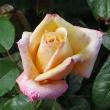
It is worth remembering that especially with roses that the colour of the petals of the flower may change - The following photos are of Rosa 'Lincolnshire Poacher' which I took on the same day in R.V. Roger's Nursery Field:- |
|
Closed Bud |
|
Opening Bud |
|
Juvenile Flower |
|
Older Juvenile Flower |
|
Middle-aged Flower - Flower Colour in Season in its |
|
Mature Flower |
|
Juvenile Flower and Dying Flower |
|
Form of Rose Bush |
There are 720 roses in the Rose Galleries; many of which have the above series of pictures in their respective Rose Description Page. So one might avoid the disappointment that the 2 elephants had when their trunks were entwined instead of them each carrying their trunk using their own trunk, and your disappointment of buying a rose to discover that the colour you bought it for is only the case when it has its juvenile flowers; if you look at all the photos of the roses in the respective Rose Description Page!!!! |
|
My current ambition at my retired age of 73 in 2022 (having started this website in 2005) is to complete the following:- Wildflower Flower Shape and Landscape Uses Gallery has an empty framework that I created on 20 February 2022. When all the remainder of the UK wildflowers have been checked:-
Then, the wildflower entries in the Wildflower Flower Shape and Landscape Uses Gallery will be filled in after each Wildflower has its cultivation details added to the Botanical Names and Common Names Galleries. Starting the above from 20 February 2022, I think it might take me a few years, but it does mean that as I progress then you will be able to associate more wildflowers with more of all the plant types of the cultivated plants who have similar growing requirements. Then, more of the natural world with its wildlife could also inhabit your garden. |





Ivydene Gardens Water Fern to Yew Wild Flower Families Gallery: |
Only Wildflowers detailed in the following Wildflower Colour Pages |
|
|||||||||||||||
Jan |
Feb |
Mar |
Apr |
May |
Jun |
Jul |
Aug |
Sep |
Oct |
Nov |
Dec |
||||||
1 |
Blue |
||||||||||||||||
1 |
|||||||||||||||||
1 |
Cream |
||||||||||||||||
1 |
|||||||||||||||||
1 |
|||||||||||||||||
1 |
|||||||||||||||||
1 |
|||||||||||||||||
1 |
|||||||||||||||||
1 |
|||||||||||||||||
1 |
|||||||||||||||||
1 |
White A-D |
||||||||||||||||
1 Yellow |
|||||||||||||||||
1 |
|||||||||||||||||
1 |
|||||||||||||||||
1 |
|||||||||||||||||
1 |
Flowering plants of |
||||||||||||||||
1 |
Flowering plants of |
||||||||||||||||
From the Ivydene Gardens Box to Crowberry Wild Flower Families Gallery: |
||
The Bumblebee Pages website is divided into five major areas: • Bumblebees which deals solely with bumblebees, and was the original part of the site. • Invertebrates, which deals with all the other invertebrates. • Homework answers, where you'll find hints and tips to common questions set as biology, ecology, botany, zoology homework, there are also definitions of common terms in biology. • Window box gardens, this was started when we were exiled to central Paris, and 2 north-facing window boxes were all the garden available, however it was amazing the wildlife those window boxes attracted. You'll find plant lists, hints and tips, etc. • Torphins, this is the village in north-east Scotland where we are now located. In this part of the site you can find photographs of invertebrates found locally, where to see them and when, also links to pages with more detailed information.
FORCED INDOOR BULBS in Window Box Gardens. Once these have flowered don't throw them out. Cut off the heads (unless you want seed) then put them somewhere that the leaves can get the sun. This will feed the bulb for the next year. Once the leaves have died you can plant the bulbs outside and they will flower at the normal (unforced) time next year. The narcissus Tete-a-tete is particularly good, and provides early colour and a delicate fragrance too. Below I have listed groups of plants. I have tried to include at least four plants in each list as you may not be able to find all of them, although, unless you have a very large windowbox, I would recommend that you have just three in each box. |
||
Theme |
Plants |
Comments |
Thyme |
Thymus praecox, wild thyme Thymus pulegioides Thymus leucotrichus Thymus citriodorus |
Thymes make a very fragrant, easy to care for windowbox, and an excellent choice for windy sites. The flower colour will be pinky/purple, and you can eat the leaves if your air is not too polluted. Try to get one variegated thyme to add a little colour when there are no flowers. |
Herb |
Sage, mint, chives, thyme, rosemary |
Get the plants from the herb section of the supermarket, so you can eat the leaves. Do not include basil as it need greater fertility than the others. Pot the rosemary up separately if it grows too large. |
Mints |
Mentha longifolia, horse mint Mentha spicata, spear mint Mentha pulgium, pennyroyal Mentha piperita, peppermint Mentha suaveolens, apple mint |
Mints are fairly fast growers, so you could start this box with seed. They are thugs, though, and will very soon be fighting for space. So you will either have to thin and cut back or else you will end up with one species - the strongest. The very best mint tea I ever had was in Marrakesh. A glass full of fresh mint was placed in front of me, and boiling water was poured into it. Then I was given a cube of sugar to hold between my teeth while I sipped the tea. Plant this box and you can have mint tea for months. |
Heather |
Too many to list See Heather Shrub gallery |
For year-round colour try to plant varieties that flower at different times of year. Heather requires acid soils, so fertilise with an ericaceous fertilser, and plant in ericaceous compost. Cut back after flowering and remove the cuttings. It is best to buy plants as heather is slow growing. |
Blue |
Ajuga reptans, bugle Endymion non-scriptus, bluebell Myosotis spp., forget-me-not Pentaglottis sempervirens, alkanet |
This will give you flowers from March till July. The bluebells should be bought as bulbs, as seed will take a few years to flower. The others can be started from seed. |
Yellow |
Anthyllis vulneraria, kidney vetch Geum urbanum, wood avens Lathryus pratensis, meadow vetchling Linaria vulgaris, toadflax Lotus corniculatus, birdsfoot trefoil Primula vulgaris, primrose Ranunculus acris, meadow buttercup Ranunculus ficaria, lesser celandine |
These will give you flowers from May to October, and if you include the primrose, from February. Try to include a vetch as they can climb or trail so occupy the space that other plants can't. All can be grown from seed. |
White |
Trifolium repens, white clover Bellis perennis, daisy Digitalis purpurea alba, white foxglove Alyssum maritimum Redsea odorata, mignonette |
All can be grown from seed. The clover and daisy will have to be cut back as they will take over. The clover roots add nitrogen to the soil. The mignonette flower doesn't look very special, but the fragrance is wonderful, and the alyssum smells of honey. |
Pink |
Lychnis flos-cucli, ragged robin Scabiosa columbaria, small scabious Symphytum officinale, comfrey |
The comfrey will try to take over. Its leaves make an excellent fertiliser, and are very good on the compost heap, though windowbox gardeners rarely have one. |
Fragrant |
Lonicera spp., honeysuckle Alyssum maritimum Redsea odorata, mignonette Lathyrus odoratus, sweet pea |
The sweet pea will need twine or something to climb up, so is suitable if you have sliding windows or window that open inwards. You will be rewarded by a fragrant curtain every time you open your window. |
Spring bulbs and late wildflowers |
Galanthus nivalis, snowdrop Narcissus pseudonarcissus, narcissius Crocus purpureus, crocus Cyclamen spp. |
The idea of this box is to maximize your space. The bulbs (cyclamen has a corm) will flower and do their stuff early in the year. After flowering cut the heads off as you don't want them making seed, but leave the leaves as they fatten up the bulbs to store energy for next year. The foliage of the wildflowers will hide the bulb leaves to some extent. Then the wildflowers take over and flower till autumn |
Aster spp., Michaelmas daisy Linaria vulgaris, toadflax Lonicera spp., honeysuckle Succisa pratensis, devil's bit scabious Mentha pulgium, pennyroyal |
||
|
|
|
Bee Garden in Europe or North America |
|
|
Wildlife-friendly Show Gardens With around 23 million gardens in the UK, covering 435,000 ha, gardens have great potential as wildlife habitats. And, with a bit of planning and a few tweaks, they can indeed be wonderful places for a whole host of creatures, from birds to bees, butterflies, frogs and toads, as well as many less obvious creatures. Wildlife-friendly gardens can be beautiful too, and a colourful garden full of life can lift the spirits and give immense pleasure, and can also help to connect people, both young and old, with our wonderful wildlife. The eight-point plan for a wildlife-friendly garden
Many of our gardens at Natural Surroundings demonstrate what you can do at home to encourage wildlife in your garden. Follow the links below to explore our show gardens, and when you visit, be sure to pick up a copy of our Wildlife Gardening Trail guide
|
||
Database of Insects and their Food Plants from the Biological Records Centre:- This database is primarily a collation of published interactions between Great Britain 's invertebrate herbivores (insects and mites) and their host plants. There are also some interactions for the invertebrates closely associated with herbivores, such as predators, parasitoids, cleptoparasites and mutualists. DBIF contains about 47,000 interactions for roughly 9,300 invertebrate taxa (species, sub-species and forms) and 5,700 plant taxa (species, genera and broader groupings). DBIF aims to help researchers access the accumulated knowledge of British plant-herbivore interactions, which is otherwise scattered throughout a vast published literature. The database complements the more specialised internet resources that focus on particular groups (see Links). We hope that the database is of use to professional researchers in the environmental sciences and expert amateurs alike. DBIF is derived from the Phytophagous Insect Data Bank (see PIDB), which was the brainchild of Dr Lena Ward. Many people have contributed to the version of the database presented here; we would like to thank them all for their varied and skilled support (see Acknowledgements). To ensure that the information held in the database is used appropriately, please take time to read about what the database contains (see Description of the database ), and what caveats or limitations may apply (see Interpreting foodplant records and Limitations ). Lastly, DBIF is a work in progress and this website is still under development in some areas. We would be very surprised if you did not find some omissions, or nomenclature that did not need updating. Please alert us (see Contact us) of any necessary changes or of the presence of new sources. They will be incorporated in future updates. A companion piece in the naturalists' magazine British Wildlife (Smith & Roy, 2008) serves as an introduction to invertebrate herbivory and DBIF. |
||
From the Ode to the London Plane Tree by Heather Greaves:- "They are also very important to the city of New York (and not just because the leaf is the Parks Department logo). The London plane, usually considered Platanus x acerifolia but also known by other Latin epithets, is not really native, although it very closely resembles the native American sycamore, Platanus occidentalis. Actually, it is probably a cross between this American species and Platanus orientalis, a Eurasian relative. In any case, it has been widely planted as a city tree for decades, which turns out to be a good idea. In its assessment of the New York City urban forest, the US Forest Service Northern Research Station determined that the London plane is the most important city tree we have. They base this conclusion on several factors. For one thing, London planes have a very high leaf area per tree; that is, the London plane gives us a lot more pretty, shady, air-filtering, evaporatively-cooling leaves per single trunk than most other species in the city. In fact, according to the Forest Service, London planes make up just 4% of the city tree population, but represent 14% of the city's total leaf area. (Compare this with the virulently invasive tree of heaven [Ailanthus altissima], which constitutes 9% of the tree population but only about 4% of the total leaf area.) Also, because they tend to become very tall and have large canopies, London planes are our best trees for carbon storage and sequestration. They are holding on to about 185,000 tons of carbon (14% of the total urban tree carbon pool), and each year they sequester another 5,500 or so tons (about 13% of all the carbon sequestered by city trees each year). That makes them both gorgeous and highly beneficial: all in all, good trees to have around." |
||
From Sarah Ravens Kitchen & Garden:- Wildflowers - Chalk and sand, freely-drained soil mix A wonderfully varied self-sowing wild flower mix for thin, poor, chalky or sandy soils to give your garden or field flowers right through the year and food for the birds and bees. Spring into Summer Flowering • Cowslip March – May Summer into Autumn Flowering • Field Scabious June – September
From Sarah Ravens Kitchen & Garden:- Wildflowers - Clay and rich loam soil mix There are two main things I want from my wildflower meadow – to look beautiful for months not weeks, with flowers coming out and going over in succession AND to grow pollen-rich, insect friendly plants from EARLY in the year to LATE. I want my patch to be a regular and reliable food source for the birds and the bees. That’s what you’ll get with this beautiful selection of my favourite easy and reliable perennial wild flowers. General Height: 60cm. Sow: April- June Spring into Summer Flowering • Cowslip March – May Summer into Autumn Flowering • Self Heal June – September |
||
", in the Vermont hills, is a biodynamic farm using organic practices. Natural minerals and planned grazing with American Milking Devon cattle rejuvenate the soil, sequester carbon and yield nutrient dense foods and medicines including milk, grass fed meats, eggs, fermented vegetables (sauerkraut and kimchi / kim-chi), and herbal tinctures. We offer educational opportunities, farm visits, and seminars on nutrition, growing and preparing nutrient dense food, diversified farming and fermentation. |
||
Edible Plants Club website "has been created largely from the point of view of a plantsman interested in the many different resources available in the plant world, especially edible and medicinal plants. What started me off on this path was reading Robert Harts book Forest Gardening and then Ken Fearns Plants for a Future and also Richard Mabeys 'Food For Free' along the way. This also led to me to change my career and become a gardener." |
'Sort out your soil' - A practical guide to Green Manures, and Frequently Asked Questions from the Receptionist Myrtle of Cotswold Grass Seeds. |
Saltmarsh Management Manual from the Environment Agency informs you about:-
|
Helping Earth's Sustainable Management with a Plant "Alternatives to the burning of fossil fuels, nuclear waste, deforestation and nitrate chemical fertilizers need to be developed. Hemp could have a vital role to play in the development of friendly alternatives. Energy production A report published by the FCDA of Europe outlines the Cannabis Biomass Energy Equation (CBEE), outlining a convincing case that hemp plants can be used to produce fuel energy CHEAPER per BtU than fossil fuels and uranium - WITHOUT PRODUCING GREENHOUSE GASES! Hemp plants have the highest known quantities of cellulose for annuals - with at least 4x (some suggest even 50-100x) the biomass potential of its closest rivals (cornstalks, sugarcane, kernaf and trees) (Omni, 1983). Biomass production still produces greenhouse gases, although the idea is that the excess of carbon dioxide will be used up by growing hemp plants - they are effective absorbers and thrive at high levels - Unlike fossil fuel energy which produces energy from plants which died millions of years ago. On reading the report of the FCDA, Hon. Jonathon Porrit (ex-director of Friends of the Earth, currently on the Board of Forum for the Future) commented 'I DID enjoy reading it - the report should contribute much'. Three years later - authorities are still not taking the potential of this plant seriously. MAFF are currently engaging in supporting research into the biomass potential of poplar trees which they claim has the most scientific support for biomass energy production. H-E-M-P recommend use of the hemp plant if biomass energy production is to have any real impact in reducing carbon dioxide levels. IT'S SO PRODUCTIVE! 1 acre of hemp = 1,000 gallons of methanol. In fact, Henry Ford's first car ran on hemp-methanol! - and at just a fraction of the cost of petroleum alternatives. Alternatives to coal, fuel oil, acetone, ethyl, tar pitch and creosote can be derived - from this one single plant! As regards depletion of the ozone layer - hemp actually withstands UV radiation. It absorbs UV light, whilst resisting damage to itself and providing protection for everything else. Risk-free, pollution-free energy. No acid rain, and a reduction in airborne pollution of up to 80% ... There's further potential for the same in industry. " |
||
Suppliers of British native-origin seeds and plants:- "Flora locale maintains a list of suppliers who should be able to supply seeds and/or plants of known British (and sometimes known local) native-origin. Although not all their stock will necessarily be of British native-origin, they should be able to provide details of provenance on request. View Flora locale's list of suppliers - follow the "Suppliers of native flora" link. You may also wish to view the Really Wild Flowers site, which contains a wealth of information about creating habitats and cultivating native species." |
British Native Plants List of Edible Plants:- "I thought it would be useful to include native plant lists from different regions of the world. This list is from British Isles (including Ireland and the Channel Islands) and was compiled by Professor Clive Stace of the University of Leicester for the FFF conference on Native Plants held at the Linnean Society of London, June 1997. It can be found here at the postcode plants database." |
|
Plants for moths (including larval food plants and adult nectar sources) from Gardens for Wildlife - Practical advice on how to attract wildlife to your garden by Martin Walters as an Aura Garden Guide. Published in 2007 - ISBN 978 1905765041:- |
Marjoram - Origanum officinale |
|
GrassBase - The Online World Grass Flora:-
Recommended Plants for Wildlife in different situations
|
|||||||||||||||||||||||||||||||||||||||||||||||||||||||||||||||||||||||||||||||||||||||||||
Sewage Pollution in the UK rivers and its surrounding Seas:- This is being ignored by the UK Government, Local UK Government and Commerce, so again they will do nothing about this, and continue to ignore the death of the wildlife, marine life, the dairy, farming and fishing industries, together with the onland and ocean producers of oxygen during 2024. Why not visit the UK and add your excrement to the increase of 102% of raw sewage spills into rivers and the seas in 2023 from 2022, while 240,000 new homes will be built each year without the future Labour or Conservative government stopping their excrement being offloaded into the sea to affect all the other countries surrounding us. If 92% of the seagrass has been smothered that means nowhere round the UK is either safe to swim in or for its fish and other marine life. The same could be said about the farmed salmon in the seas round Scotland and any fish caught in the rivers of the UK. I had a conversation in Medway on the 146 bus on 5 April 2024 with an Old Age Pensioner, who told me that at any time of the day when she runs her cold water tap to get water for her kettle, that sometimes her fresh tap water smells. So, if that happens she keeps the water flowing until it does not smell, fills her kettle and boils that water twice. She never drinks any of the tap water until it has been boiled twice. Ocean Pollution as reported by the Marine Conservation Society Marine pollution is diverse, from tiny fibres which shed from clothes, to chemicals washed down the sink. Pollutants, including plastic, chemicals and bacteria travel from our towns and cities to our seas, as well as from activities directly in our ocean. If we don’t tackle pollution at source, these highly persistent chemicals and plastics will continue to increase in our ocean causing untold damage. That's where we come in.
------
Marine Conservation Society - Seagrass: The ocean superhero at risk from sewage:-Seagrass meadows are a key player in helping to combat climate change – but untreated sewage pollution in our seas is threatening their future. Seagrass meadows are the Swiss army knife of marine habitats. They create hotspots for biodiversity and provide vital nursery habitats for various fish species. Long seagrass blades buffer wave energy, protecting our shores against coastal erosion and storms. Their canopies slow the flow of water, drawing down suspended matter like pollutants and excess nutrients from the water column and burying it in the sediment below. This also makes them one of the oldest and most effective carbon storage technologies, accounting for an estimated 10-18% of ocean carbon storage while occupying only 0.1% of the seafloor. Unlike terrestrial habitats like forests, seagrass doesn't release the carbon it has captured back into the atmosphere when it decomposes. If undisturbed, seagrass can store carbon for thousands of years. Seagrasses do a lot of heavy lifting in mitigating the stress that we inflict on the ocean. As ecosystem engineers, they’re skilled at adapting their environment to suit their needs. However, the flow of untreated sewage discharges into UK seas is posing a problem for seagrass. Untreated sewage discharges contain excess nutrients and pathogens, which encourage faster-growing macroalgae which reduce light availability and epiphytic algae which smother the seagrass leaves. Research by Cardiff University and Swansea University indicates that insufficient monitoring and management of sewage and wastewater treatment threatens seagrass meadows around the UK. Each of the 11 sites sampled in the study, ten of which were within marine protected areas, contained seagrass that was contaminated by nutrients “of a human and livestock waste origin”. The findings show that sewage pollution is a stressor to seagrass – one whose effects are far-reaching and continues to have an impact far from its source. The only effective way to protect seagrass and the whole marine environment from this stress is to tackle the issue at source. We have already lost 92% of seagrass meadows in the UK, and their survival and recovery is further undermined by poor water quality. However, we can reverse this trend. Removing stressors, such as untreated sewage pollution, is the most important factor in allowing seagrass to recover and we have seen seagrass successfully recolonise areas which were previously wiped out by sewage outfall. Our seagrass meadows are an essential ally against global warming, a biodiversity crisis, and pervasive pollution. These superhero habitats need our help and a first major step towards this is to stop releasing untreated sewage into our seas.
---------
The sewage system is overflowing so that not only will your excrement go into the river and then the sea, but you will drink from that same river. Water for drinking purposes is processed from 10 places in the River Thames within London area, while 38,000,000 tons of waste is poured into that same River Thames from London annually, as well as the other 1000s of tons from the other polluters along the remainder of 215 miles.
-----------
When you wish to buy British grown vegetables and fruit, you will have a problem with many farms being forced to close within 12 months from November 2023.
------ Farmers fear food shortages caused by green schemes - they are warning that vegetables and grains could be next to the egg shortages as environmental schemes take large areas of land out of use for food production. Stephen Holt's main crop is winter wheat, but to ensure its success he grows a "break crop" of oil seed rape and beans between wheat harvests to break the cycle of weeds, diseases and pests and to improve soil health. He sells the break crops as a commercial product to make money on top of his wheat harvest. |