FERN PLANTS GALLERY PAGES Fern Culture with British Ferns and their Allies comprising the Ferns, Club-mosses, Pepperworts and Horsetails by Thomas Moore, F.L.S, F.H.S., Etc. London George Routledge and Sons, Broadway, Ludgate Hill. Hardcover published in 1861 provides details on British Ferns |
TYPE OF FERN TO GROW
Where to see UNITED STATES WALES |
USE OF FERN
Where to see AUSTRALIA CANADA ENGLAND FRANCE GERMANY IRELAND NETHERLANDS
|
SPORE COLOUR BED PICTURES Where to see NEW ZEALAND SCOTLAND UNITED STATES |
A Natural History of Britain's Ferns by Christopher N. Page. Published by William Collins Sons & Co. Ltd in 1988. ISBN 0 00 219382 5 (limpback edition) provides details of Coastal, Man-made Landscapes, Woodland, Wetland, Grassland and Rock Outcrops, Heath and Moorland, Lower Mountain Habitats, Upper Mountain Habitats and Atlantic Fringe Ferns. Tree Ferns by Mark F. Large & John E. Braggins. Published by Timber Press in 2004. ISBN 978-1-60469-176-4 is a scientifically accurate book dealing with Tree Fern species cultivated in the United States and the Pacific, but little known and rare tree ferns are also included. The Observer's Book of Ferns, revised by Francis Rose, previous editions compiled by W.J.Stokoe. Published by Frederick Warne & Co. Ltd in 1965 provides a comprehensive guide to 45 British species of Ferns. It provides details of habitat and how to use those ferns. The Plant Lover's Guide to Ferns by Richard Steffen & Sue Olsen. Published in 2015 by Timber Press, Inc. ISBN 978-1-60469- Success with Indoor Ferns, edited by Lesley Young. Reprinted 1998. ISBN 1 85391 554 8. It details the care of indoor ferns with their position, choice and fern care. |
Where to see UNITED STATES |
|
|
|||||||||||||||||||||||||||||||||||||||||||||||||||||||||||||||||||||||||||||||||||||||||||||||||||||||||||||||||||||||||||||||||||||||||||||||||||||||||||
USE OF FERN as Indoor Ferns in the UK from Ferns for Home and Garden Flowers & Plants. Published by Magna Books in 1995. ISBN 1 85422 888 9. Design and text of plan, planting plan, flowering and colour scheme: Bureau Willemien Dijkshoorn BNT, Amsterdam:-
|
||||||||||||||||||||||||||||||||||||||||||||||||||||||||||||||||||||||||||||||||||||||||||||||||||||||||||||||||||||||||||||||||||||||||||||||||||||||||||||||||||
Fern/ Region/ Light Tolerance/ Comments |
Foliage Colour and |
Height x Spread in inches (cms) |
Type of Fern to Grow |
Use of Fern |
Comments |
Frond |
Credit |
Form |
||||||||||||||||||||||||||||||||||||||||||||||||||||||||||||||||||||||||||||||||||||||||||||||||||||||||||||||||||||||||||||||||||||||||||||||||||||||||||
Cyrtomium caryotideum Temperate - Tropical Bright attractive |
|
|
|
|
|
|
|
|
||||||||||||||||||||||||||||||||||||||||||||||||||||||||||||||||||||||||||||||||||||||||||||||||||||||||||||||||||||||||||||||||||||||||||||||||||||||||||
Cyrtomium caryotideum falcatum and cultivars Temperate - Tropical Dull-Bright hardy and adaptable |
|
|
|
|
|
|
|
|
||||||||||||||||||||||||||||||||||||||||||||||||||||||||||||||||||||||||||||||||||||||||||||||||||||||||||||||||||||||||||||||||||||||||||||||||||||||||||
Cyrtomium caryotideum macrophyllum Subtropical - Tropical Bright adaptable |
|
|
|
|
|
|
|
|
||||||||||||||||||||||||||||||||||||||||||||||||||||||||||||||||||||||||||||||||||||||||||||||||||||||||||||||||||||||||||||||||||||||||||||||||||||||||||
Davallia bullata India, Sri Lanka, China, Japan Davallia (deersfoot fern, hare's foot fern, shinobu fern, rabbit foot fern, ball fern is a genus of about 40 species of ferns in the family Davalliaceae. They are epiphytic ferns, with fronds arising from long aerial rhizomes which grow on and over thick bark on trees or on rock crevices. Davallia are often used in hanging baskets because the rhizomes split into sections and the surface is covered quickly. Unlike other ferns, Davallia tolerate low levels of humidity. Temperate - Subtropical Dull-Bright very hardy |
Rootstock creeping, clothed with whitish or light brown hair-like scales; leaves scattered, 6-10 inches (15-25 cms) long, 4-6 inches (10-15 cms) wide, quadripinnatifid, with deeply incised segments; texture firm. It is epiphytic, that is to say in its natural environment it grows mainly on trees. A mature plant can grow to a height of 15 – 20 centimetres with a similar width.
The bluish green, tripinnate leaves are alternate. The leaflets are linear and have entire margins. The perennials prefer a half-shady situation on moist soil. They tolerate temperatures only above at least 1°C (USDA zone 10). The ornamental value of Davallia bullata lies especially in the ornamental leaves. |
6-8 x 16 |
Davallia Ferns (Araiostegia, Davallia, Davallodes, Gymno-grammitis, Humata, Leucostegia, Scyphularia, Trogostolon)
Propagation: By spores sown on surface of sandy peat in pans under bell-glass in temperature 55-75F (13-24C) at any time; division of rhizomes in February or March. See Growing Davallia Species Indoors in Davallia corniculata description. |
Suitable for House Fern in a Trough by windowsill in a Heated Greenhouse, Hanging Basket, Fernball or Terrarium in UK. Shade-tolerant Fern growing on trees (epiphytic) in Woodland in native habitat.
Greenhouse evergreen Ferns. |
Greenhouse Evergreen Fern. It grows readily in a basket or pot of coarse mixture. Plants become deciduous over winter and should be kept on the dry side until new fronds appear. Often sold for house cultivation in the form of a fern-ball. It grows well in shady places. It grows from 20 to 35 cm. It has deciduous bullata and its leaflets are linear. Davallia bullata is a house plant with attractive dark green leaves and hairy dark brown rhizomes (horizontal roots) resembling the hooves of a deer, hence ‘Deer’s foot fern’. Davalia bullata is a must for any lover of exotic plants. It is characterised by shiny triangular fronds and distinctive root stalks. It is suitable for a windowsill or a terrarium with plenty of light and circulating air. |
|
Davallia bullata. Date: 21 August 2007. By Frank Vincentz wit permission GFDL (self made) via Wikimedia Commons. Davallia bullata. Date: 21 August 2007. By Frank Vincentz wit permission GFDL (self made) via Wikimedia Commons. |
"Old plants of Davallia may be cut into a number of smaller ones with a sharp knife. Planted firmly into shallow pans and placed in a temperature of 60-65F (15-18C), they soon develop into symetrical plants. The rhizomes should be firmly fastened to soil by strong copper-wire staples, where they will root in a short time. To gain a large number of small plants, the rhizomes should be detached, cleaned from all soil and roots, laid on sand and thinly covered with moss. Placed in a shaded position in a temperature of 65-70F (18-21C), and kept moderately moist, a number of small plants will develop from the dormant eyes, which may be separately potted as soon as of sufficient size. |
||||||||||||||||||||||||||||||||||||||||||||||||||||||||||||||||||||||||||||||||||||||||||||||||||||||||||||||||||||||||||||||||||||||||||||||||||||||||||
Davallia bullata Temperate - Subtropical Dull-Bright very hardy |
|
|
|
|
|
|
|
|
||||||||||||||||||||||||||||||||||||||||||||||||||||||||||||||||||||||||||||||||||||||||||||||||||||||||||||||||||||||||||||||||||||||||||||||||||||||||||
Davallia solida (Trichomanes solidum; CHAMORRO: Pugua 'machena.
Guangdong, Guangxi, Taiwan, Yunnan [Cambodia, India, Indonesia, Malaysia, Myanmar, Papua New Guinea, Philippines, Sri Lanka, Thailand, Vietnam (Tonkin); Pacific islands.
Subtropical - Tropical Bright adaptable |
A handsome fern, with large feathery fronds that are usually dark green and shiny. These are coarsely-divided and are often a dark purple when young. The thick rhizomes grow stiffly away from the compost. There is considerable range in the degree of frond division. Rootstock clothed with adpressed scales or fibers: leaves 1-2 feet (12-24 inches, 30-60 cms) long, 12-15 inches (30-37.5 cms) wide, the center of the apex broad and undivided; segments broad and slightly cut; indusia marginal. Sori terminal on veinlets, at margin of ultimate segments; involucre cup-shaped, up to 1.5 mm long, about twice as long as wide. |
24-48 x |
Davallia Ferns (Araiostegia, Davallia, Davallodes, Gymno-grammitis, Humata, Leucostegia, Scyphularia, Trogostolon)
Propagation: By spores sown on surface of sandy peat in pans under bell-glass in temperature 55-75F (13-24C) at any time; division of rhizomes in February or March. See Growing Davallia Species Indoors in Davallia corniculata description. |
Suitable for
Stove evergreen Ferns. |
Stove Evergreen Fern. Makes an attractive basket plant. Epiphytic, epilithic on different kinds of rocks, or terrestrial on different kinds of soils, in exposed places or in deep shade, from open rocky places and savannas to primary rain forests; sea level to 1500 m. Davallia solida is a widespread species and generally is easily recognizable by the black rhizome, which bears hairy scales that soon fall off leaving only the bases. It has medium- to longer creeping rhizomes and grows well under medium light in potting mix or uncut moss kept moist-dry and given good drainage. On tree trunks or on rocks in half-shaded places or in some dense evergreen forests at altitudes below 300 m in Thailand, Laos and Cambodia. |
Davalia solida. By Jerzy Opioła via Wikimedia Commons. "Old plants of Davallia may be cut into a number of smaller ones with a sharp knife. Planted firmly into shallow pans and placed in a temperature of 60-65F (15-18C), they soon develop into symetrical plants. The rhizomes should be firmly fastened to soil by strong copper-wire staples, where they will root in a short time. To gain a large number of small plants, the rhizomes should be detached, cleaned from all soil and roots, laid on sand and thinly covered with moss. Placed in a shaded position in a temperature of 65-70F (18-21C), and kept moderately moist, a number of small plants will develop from the dormant eyes, which may be separately potted as soon as of sufficient size. |
||||||||||||||||||||||||||||||||||||||||||||||||||||||||||||||||||||||||||||||||||||||||||||||||||||||||||||||||||||||||||||||||||||||||||||||||||||||||||||
Davallia tricho-manoides + 骨碎补 gu sui bu Malaysia, New Guinea, Indonesia
Temperate - Dull-Bright very hardy |
Valued for its neat habit, refreshing lacy fronds and interesting furry rhizomes which wander at will. Plants are deciduous for a short period but new fronds are quickly produced. In the typical form, the rhizome scales are yellowish-brown and in forma barbata they are reddish-brown and the frond margins are less deeply incised. The variety lorrainii has dark-coloured rhizome scales and sparser fronds than other forms. Can grow in cool areas in native districts. A tender, clump-forming, spreading, deciduous fern. Davallia trichomanoides will reach a height of 0.45m and a spread of 0.3m after 5-10 years. |
8-16 x Glass Box Tropicals was created in 2012 in order to provide terrarium hobbyists with an increasingly vast assortment of plants suited for use with poison dart frogs. In addition to growing many of the plants that we offer, we also work with select commercial nurseries in the United States of America and abroad. As Glass Box Tropicals has grown, we have also begun to offer a wide array of other supplies commonly needed when growing plants, building and maintaining terrariums, culturing and caring for microfauna, and caring for poison dart frogs and other terrarium inhabitants. Many of the products we now offer are sourced from all over the world in order to aid you in building your personal rainforest. We are located in Lansing, Michigan and are currently an online store only. |
Davallia Ferns (Araiostegia, Davallia, Davallodes, Gymno-grammitis, Humata, Leucostegia, Scyphularia, Trogostolon)
Propagation: By spores sown on surface of sandy peat in pans under bell-glass in temperature 55-75F (13-24C) at any time; division of rhizomes in February or March. See Growing Davallia Species Indoors in Davallia corniculata description. |
Suitable for House Fern in Trough Garden or Terrarium in the UK. Stove and greenhouse evergreen Ferns. |
Stove Evergreen Fern. A popular fern with fern enthusiasts and general gardeners alike. Excellent for baskets or pots. Epiphytic and epilithic on different kinds of rocks, mostly in wet places, sometimes on dry, exposed places; 100-3500 m. Partial or full shade is required for the growth of it. It can survive in dryness. Davallia trichomanoides is one of the more commonly used ferns in a terrarium. This is due to its ability to be grown both terrestrially and epiphytically. Additionally, the fuzzy brown to black rhizomes also draw many customers to this plant. When grown in a terrarium, this species will generally have fronds about 8” (20 cm) in length and 3-5” (8.75 cm) in width. As it grows, the rhizomes will slowly spread sprouting up new leaves as they go. |
Davallia trichomanoides at Garfield Park Conservatory. Date: 2 September 2016. By Krzysztof Ziarnek, Kenraiz via Wikimedia Commons. |
||||||||||||||||||||||||||||||||||||||||||||||||||||||||||||||||||||||||||||||||||||||||||||||||||||||||||||||||||||||||||||||||||||||||||||||||||||||||||||
Dicksonia antartica Temperate - Subtropical Dull-Bright very hardy |
|
|
|
|
|
|
|
|
||||||||||||||||||||||||||||||||||||||||||||||||||||||||||||||||||||||||||||||||||||||||||||||||||||||||||||||||||||||||||||||||||||||||||||||||||||||||||
Didymochlaena truncatula Subtropical - Tropical Dull-Bright hardy and adaptable |
|
|
|
|
|
|
|
|
||||||||||||||||||||||||||||||||||||||||||||||||||||||||||||||||||||||||||||||||||||||||||||||||||||||||||||||||||||||||||||||||||||||||||||||||||||||||||
Doryopteris pedata Tropical Fen from West Indies, Central and South America. Bright Can be difficult. |
Fronds are very variable, young, sterile fronds are maple shaped. Mature fertile fronds are deeply lobed and palmate. The leaves can extend to about 30cm long and these are deeply lobed. They have a deep brown rim which matches the colour of the stems and leaf veins. Fronds are variable and of two different shapes. The, young, sterile fronds look rather like a maple leaf, whilst the mature fertile fronds are deeply lobed and palmate. |
20 x 12 |
Cloak, Lip, Hand Ferns and Their Hardy Relatives (Bommeria, Cheilanthes, Doryopteris, Gymnopteris, Hemionitis, Notholaena, Paraceterach, Pellae, Pleurosorus, Quercifilix)
Propagation:
|
Suitable for Terrrarium. Grow in a 12cm (5 inch) pot with open compost with reasonably good drainage and out of direct sunlight. Bright to semi- shady, no sunlight. The same indoor temperature all year round. Not below 16° C (61° F) during the winter. Keep evenly moist. In winter water less when temperatures are low. Sensitive to water-logging. Give low doses of fertilizer every four weeks from early spring to early autumn. Make sure ventilation is good. Repot in spring if necessary. |
Not frost hardy, height to 50cm. Suitable as a terrarium, conservatory or house plant. Very eye catching and attractive evergreen fern. Requires a good open compost with reasonably good drainage. Suitable for a sheltered, shady position outdoors during summer, and a shady position indoors. Particularly suitable for a terrarium. Grows on rocks. This a tough fern which resents coddling and prefers warm, airy, airy conditions in bright light. Drainage must be excellent and the addition of lime may be beneficial. |
|
Doryopteris pedata - Botanischer Garten Leipzig. Date: 26 March 2010. By Tubifex - Own work, copyleft: Multi-license with GFDL and Creative Commons CC-BY-SA-3.0 and older versions (2.5, 2.0 and 1.0) via Wikimedia Commons. Doryopteris pedata - Botanischer Garten Leipzig. Date: 26 March 2010. By Tubifex - Own work, copyleft: Multi-license with GFDL and Creative Commons CC-BY-SA-3.0 and older versions (2.5, 2.0 and 1.0) via Wikimedia Commons. |
|
||||||||||||||||||||||||||||||||||||||||||||||||||||||||||||||||||||||||||||||||||||||||||||||||||||||||||||||||||||||||||||||||||||||||||||||||||||||||||
Drynaria quercifolia Tropical - Temperate Bright hardy |
|
|
|
|
|
|
|
|
||||||||||||||||||||||||||||||||||||||||||||||||||||||||||||||||||||||||||||||||||||||||||||||||||||||||||||||||||||||||||||||||||||||||||||||||||||||||||
Dryopteris affinis Temperate - Subtropical Dull-Bright hardy |
|
|
|
|
|
|
|
|
||||||||||||||||||||||||||||||||||||||||||||||||||||||||||||||||||||||||||||||||||||||||||||||||||||||||||||||||||||||||||||||||||||||||||||||||||||||||||
Dryopteris affinis Temperate - Subtropical Dull-Bright hardy |
|
|
|
|
|
|
|
|
||||||||||||||||||||||||||||||||||||||||||||||||||||||||||||||||||||||||||||||||||||||||||||||||||||||||||||||||||||||||||||||||||||||||||||||||||||||||||
Goniophlebum persicifolium Tropical - Subtropical Bright adaptable |
|
|
|
|
|
|
|
|
||||||||||||||||||||||||||||||||||||||||||||||||||||||||||||||||||||||||||||||||||||||||||||||||||||||||||||||||||||||||||||||||||||||||||||||||||||||||||
Goniophlebum persicifolium subauriculatum Tropical - Temperate Bright hardy |
|
|
|
|
|
|
|
|
||||||||||||||||||||||||||||||||||||||||||||||||||||||||||||||||||||||||||||||||||||||||||||||||||||||||||||||||||||||||||||||||||||||||||||||||||||||||||
Goniophlebum persicifolium verrucosum Tropical - Subtropical Bright difficult |
|
|
|
|
|
|
|
|
||||||||||||||||||||||||||||||||||||||||||||||||||||||||||||||||||||||||||||||||||||||||||||||||||||||||||||||||||||||||||||||||||||||||||||||||||||||||||
Humata griffithiana (Davallia griffithiana, Davallia henryana ; Bear's Foot Fern, White Rabbit Foot Fern USDA Zones 8a-10b Fujian, Guangdong, Guangxi, Guizhou, Hunan, Jiangxi, Sichuan, Taiwan, Xizang, Yunnan, Zhejiang [Bhutan, India (Assam, Manipur), Japan (Okinawa), Laos, Myanmar (Kengtung), Vietnam (Tonkin)]. Semi-tender Humata henryana, Subtropical - Temperate. |
Rhizome 2-6mm in diameter. Sori separate, borne several or single on a segment, at forking point of veins. |
6-8 x 24
Humata is Latin for of the earth; referring to the creeping habit of the rhizomes.
This native of the Canary Islands is named for the white fuzzy rhizomes produced by the plant that will travel along the ground and curve over the edge of a pot. Fronds are soft and dark green. Great to use in plantings for colour and texture. More cold hardy than other tropicals and can withstand zone 8 winters (mulch recommended). Mature size of 1 to 2 feet (30-60 cms). Excellent and versatile as it can be used in dish gardens, pots, hanging baskets or in landscape settings. Also makes a good houseplant. |
Davallia Ferns (Araiostegia, Davallia, Davallodes, Gymno-grammitis, Humata, Leucostegia, Scyphularia, Trogostolon)
Propagation: By division of rhizomes in February or March.
The hairy rootstocks will grow over the edges of the pot on all sides. This fern requires a light spot protected from the sun, moist soil rich in humus, e.g., a mixture of potting compost, sharp sand, peat or leaf-mould and some vermiculite. The soil must not be too moist or the rootstocks will turn brown, temperature by day 21-26 C, at night 10-15C. Feed once a month (half concentration). Repot once every 2/3 years when the soil has been exhausted. |
Suitable for House Fern or Hanging Basket in Conservatory within UK. Outdoor Container. Bring inside during winter to keep it dry. Stove and greenhouse evergreen Ferns, formerly included in the genus Davallia. |
Stove Evergreen Fern. Plants are easily grown and are suitable for baskets or pots. A small to medium fern with medium- to long-creeping rhizomes. Grows well under medium light in drained, moist-dry potting mix or uncut moss. It is slow growing. Found in wet forests, climbing on tree trunks or rocks in Macau. Wet forests, climbing on tree trunks or rocks; near sea level to 2200 m in China. Needs to be dry in winter. |
Humata tyermanii. Plant specimen in the Hong Kong Zoological and Botanical Gardens, Hong Kong. Date: 20 February 2011. By Daderot via Wikimedia Commons. This is also Humata griffithiana. |
||||||||||||||||||||||||||||||||||||||||||||||||||||||||||||||||||||||||||||||||||||||||||||||||||||||||||||||||||||||||||||||||||||||||||||||||||||||||||||
Humata griffithiana Subtropical - Temperate Bright very attractive |
|
|
|
|
|
|
|
|
||||||||||||||||||||||||||||||||||||||||||||||||||||||||||||||||||||||||||||||||||||||||||||||||||||||||||||||||||||||||||||||||||||||||||||||||||||||||||
Llavea cordifolia Temperate - Subtropical Dull-Bright hardy |
|
|
|
|
|
|
|
|
||||||||||||||||||||||||||||||||||||||||||||||||||||||||||||||||||||||||||||||||||||||||||||||||||||||||||||||||||||||||||||||||||||||||||||||||||||||||||
Lycopodium phlegmaria Tropical - Subtropical Bright difficult |
|
|
|
|
|
|
|
|
||||||||||||||||||||||||||||||||||||||||||||||||||||||||||||||||||||||||||||||||||||||||||||||||||||||||||||||||||||||||||||||||||||||||||||||||||||||||||
Lycopodium phlegmaria Tropical - Subtropical Bright difficult |
|
|
|
|
|
|
|
|
||||||||||||||||||||||||||||||||||||||||||||||||||||||||||||||||||||||||||||||||||||||||||||||||||||||||||||||||||||||||||||||||||||||||||||||||||||||||||
Lycopodium phlegmaria Tropical - Subtropical Bright difficult |
|
|
|
|
|
|
|
|
||||||||||||||||||||||||||||||||||||||||||||||||||||||||||||||||||||||||||||||||||||||||||||||||||||||||||||||||||||||||||||||||||||||||||||||||||||||||||
Lygodium flexuosum Tropical - Subtropical Bright hardy |
|
|
|
|
|
|
|
|
||||||||||||||||||||||||||||||||||||||||||||||||||||||||||||||||||||||||||||||||||||||||||||||||||||||||||||||||||||||||||||||||||||||||||||||||||||||||||
Lygodium flexuosum Tropical - Subtropical Bright hardy |
|
|
|
|
|
|
|
|
||||||||||||||||||||||||||||||||||||||||||||||||||||||||||||||||||||||||||||||||||||||||||||||||||||||||||||||||||||||||||||||||||||||||||||||||||||||||||
Lygodium flexuosum Tropical - Temperate Bright hardy |
|
|
|
|
|
|
|
|
||||||||||||||||||||||||||||||||||||||||||||||||||||||||||||||||||||||||||||||||||||||||||||||||||||||||||||||||||||||||||||||||||||||||||||||||||||||||||
Macro-thelypteris polypodioides Tropical - Subtropical Bright attractive |
|
|
|
|
|
|
|
|
||||||||||||||||||||||||||||||||||||||||||||||||||||||||||||||||||||||||||||||||||||||||||||||||||||||||||||||||||||||||||||||||||||||||||||||||||||||||||
Microlepia strigosa and cultivars Tropical - Temperate Dull-Bright hardy |
|
|
|
|
|
|
|
|
||||||||||||||||||||||||||||||||||||||||||||||||||||||||||||||||||||||||||||||||||||||||||||||||||||||||||||||||||||||||||||||||||||||||||||||||||||||||||
Microsorum punctatum and cultivars Tropical - Subtropical Bright very hardy |
|
|
|
|
|
|
|
|
||||||||||||||||||||||||||||||||||||||||||||||||||||||||||||||||||||||||||||||||||||||||||||||||||||||||||||||||||||||||||||||||||||||||||||||||||||||||||
Nephrolepis biserrata Tropical - Subtropical Dull-Bright grows large |
|
|
|
|
|
|
|
|
||||||||||||||||||||||||||||||||||||||||||||||||||||||||||||||||||||||||||||||||||||||||||||||||||||||||||||||||||||||||||||||||||||||||||||||||||||||||||
Nephrolepis biserrata Temperate - Tropical Dull-Bright very hardy and adaptable |
|
|
|
|
|
|
|
|
||||||||||||||||||||||||||||||||||||||||||||||||||||||||||||||||||||||||||||||||||||||||||||||||||||||||||||||||||||||||||||||||||||||||||||||||||||||||||
Nephrolepis biserrata Tropical - Temperate Dull-Bright hardy |
|
|
|
|
|
|
|
|
||||||||||||||||||||||||||||||||||||||||||||||||||||||||||||||||||||||||||||||||||||||||||||||||||||||||||||||||||||||||||||||||||||||||||||||||||||||||||
Nephrolepis falcata (Nephrolepis gibbosum, Nephrolepis gibbosa, Nephrolepis biserratum var. furcans, Nephrolepis falcata 'Furcans', Nephrolepis biserrata 'Furcans', Nephrolepis falcata, Nephrolepis biserrata var. furcans, Nephrolepis falcata f. furcans) Thailand, Vietnam, Malaysia Tender The genus name comes from the Greek nephros, kidney, and lepis, scale, referrring to the kidney-bean-shaped indusia. |
Long, strongly-weeping fronds.
Sub-erect fern, with drooping fronds, can grow up to 50 - 90 cm tall and 45 - 60 cm wide. |
40-100 x |
Boston Ferns (Nephrolepis)
Propagation: By spores sown on surface of pans of sandy peat under bell-glass and placed in temperature 75-85F (24-30C) any time; division of plants, February-April; or by pegging down creeping stems bearing young plants and removing when rooted. The most common problem in caring for established plants is overwatering combined with poor drainage. These ferns generally tolerate short periods of dryness. |
Suitable for Conservatory and Warm Greenhouse. Hanging Basket. Stove Evergreen Ferns. Fronds linear, narrow, once divided, plain or crested. First introduced late eighteenth century. |
A large fern with erect, stoloniferous rhizomes and erect or pendulous, long fronds. Grows well under medium to high light in moist-dry potting mix or uncut moss. Plants are excellent for a large basket and grow vigorously, quickly developing into an attractive specimen. They like plenty of light but should be protected from direct sun. Prefers part shade in moist, well-drained soil in Singapore within gardens and indoors. |
|
Location taken: the New York Botanical Garden. Names: Classification: Plantae > Magnoliophyta > Filicopsida > Filicales > Davalliaceae > Neprolepis > Neprolepis falcata. Nephrolepis falcata - Español: Jardín Botánico Faustino Miranda, Tuxtla Gutiérrez, Chiapas, México. Date: 22 January 2015. By Consultaplantas via Wikimedia Commons. |
|
||||||||||||||||||||||||||||||||||||||||||||||||||||||||||||||||||||||||||||||||||||||||||||||||||||||||||||||||||||||||||||||||||||||||||||||||||||||||||
Onoclea bright pale colour Sensitive Fern, Bead Fern, Sympathy Fern Native to North America, Canada and North Asia. Onoclea comes from the Greek onos, vessel, and klein, to close, referring to the pinnules of the fertile leaf, which roll up into bead-like segments to enclose the sori. A member of the Woodsiaceae Cliff Fern Family. Zone 4
Available in USA from ArcheWild Native Nurseries - Quakertown, PA Toadshade Wildflower Farm - Frenchtown, NJ Prairie Nursery - Westfield, WI Yellow Springs Farm Native Plant Nursery - Chester Springs , PA |
Upright, then arching, lance-shaped or triangular, pinnate, pale green sterile fronds. The bead-like appearance of the fertile fronds accounts for this genus's common name of bead fern. Some say that the name sensitive fern originates from the frond's sensitivity to frost (they wither after the first subfreezing temperatures). Winter survival will be enhanced if the dried fronds are left on the plant through the winter. |
36-48 x 36-48 |
Miscellaneous Ferns Hardy deciduous ferns. Fronds, barren ones, broad, once-divided, green; fertile ones, narrow, contracted, once-divided, brown. |
Suitable for Ferns for Acid Soils. Ferns suitable for Outdoor Containers Ferns for Wet Soils Cold-Hardy Ferns Shade-Tolerant Fern The fertile fronds are often used in dried flower arrangements. Best in wet woodland gardens and moist locations alongside streams and ponds. Can grow in very wet soils as long as there is adequate oxygen. It cannot tolerate sour clay or stagnant water. Also, does not tolerate freezing well, turns black even in light frost. Shelters salamanders and frogs |
Open swamps, thickets, marshes, or low woods, in sunny or shaded locations, often forming thick stands from sea level to elevations of 1500 metres. It grows best in a shaded or partially shaded area in a moist soil. The plant can tolerate dryer conditions in shade, and will tolerate wet soils and so occurs in soggy ground or at the very edge of water in shade or sun. Sensitive ferns spread to form colonies and are often the first species to inhabit disturbed areas. They can become weedy if not sited properly. |
|
Rodgersia and Onoclea. 25 April 2014, 16:50. By peganum from Henfield, England via Wikimedia Commons
日本語: Onoclea sensibilis:コウヤワラビ
Juvenile Onoclea sensibilis sterile fronds in pots. By Coblands. |
|
||||||||||||||||||||||||||||||||||||||||||||||||||||||||||||||||||||||||||||||||||||||||||||||||||||||||||||||||||||||||||||||||||||||||||||||||||||||||||
|
|
|
|
|
|
|
|
|
||||||||||||||||||||||||||||||||||||||||||||||||||||||||||||||||||||||||||||||||||||||||||||||||||||||||||||||||||||||||||||||||||||||||||||||||||||||||||
|
If you grow and sell ferns in any country, please tell me so that I can put them on this website and inform others where they can be bought online via mail-order. If you would provide photos and fern details to be only used by me on this website, they would be gratefully received, since I could assume that the photo was a valid one in regard to its name of fern in its filename to that fern in the photo. |
Site design and content copyright ©January 2009. DISCLAIMER: Links to external sites are provided as a courtesy to visitors. Ivydene Horticultural Services are not responsible for the content and/or quality of external web sites linked from this site. |
Fern Grower's Manual by Barbara Joe Hoshizaki & Robbin C. Moran. Revised and Expanded Edition. Published in 2001 by Timber Press, Inc. Reprinted 2002, 2006. ISBN-13:978-0-88192-495-4. |
|
"Suitable growing regions - these are only meant to be a rough guide as to the regions in which the fern can be expected to be successfully cultivated, i.e. in an outside environment offering the usual fern requirements. It does not take account local factors such as altitude. Terrestrial or Epiphytic - this entry is included merely as a guide to the potting mix and cultural requirements a species may require. The term aquatic is used for water ferns." from The Encyclopaedia of Ferns An Introduction to Ferns, their Structure, Biology, Economic Importance, Cultivation and Propagation by David L. Jones ISBN 0 88192 054 1. |
|||||||||||||||||||||||||||||||||||||||||||||||||||||||||||||||||||||||||||||||||||||||||||||||||||||||||||||||||||||||||||||||||||||||||||||||||||||||||||||


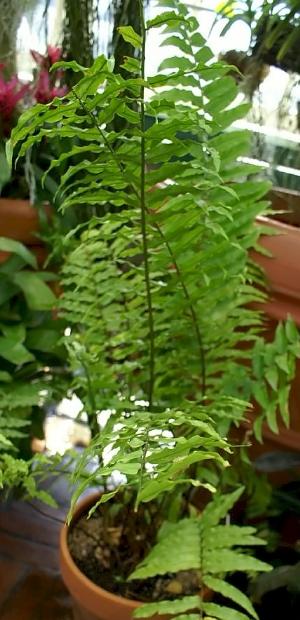
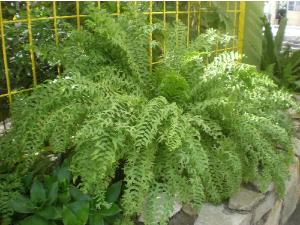




USE OF FERN WITH PHOTOS
using information from Fern Grower's Manual by Barbara Joe Hoshizaki & Robbin C. Moran and
The Encyclopaedia of Ferns An Introduction to Ferns, their Structure, Biology, Economic Importance, Cultivation and Propagation by David L. Jones ISBN 0 88192 054 1
Outdoor Use in
Northeastern United States Zones 3-6
Southeastern United States Zones 6-8
Southern Florida and Hawaii Zones 10-11
Central United States Zones 3-6
Northwestern United States Zones 5-8 with some Zone 9
Southwestern United States Zones 6-9
Coastal Central and Southern California Zones 9-10
Accent
Aquatic 1, 2
Basket 1,
Ferns for Hanging Baskets 2, 3, 4, 5, 6
Ferns for Hanging Baskets with Pendulous Fronds or weeping Growth Habit 7, 8
Bog or Wet-Soil 1,
Ferns for Wet Soils 2, 3
Border and Foundation 1, 2
Grow in Coastal Region
Cold-hardy Ferns 1, 2, 3, 4, 5, 6
Colour in Fern Fronds 1, 2, 3, 4
Conservatory (Stove House) or Heated Greenhouse 1, 2, 3, 4, 5
Drier Soil 1, 2, 3, 4
Grows on Rock (epilithic) 1, 2
Borne on Leaf (epiphyllous) 1, 2
Grows on another Plant (epiphyte) 1, 2
Evergreen and Deciduous
Fronds in Floral Decorations
Ferns for Acid Soil 1,
Lime-hating (Calcifluges) 2, 3, 4, 5
Ferns for Basic or Limestone Soil 1,
Ferns Found on Limestone or Basic Soils (Calciphiles) 2, 3, 4, 5, 6, 7, 8, 9, 10
Ferns for Ground Cover 1,
Ground Cover Ferns 2, 3, 4, 5
Ferns of the Atlantic Fringe with associated plants (1 - Atlantic Cliff-top Grassland, Ledges and Rough Slopes; 2 - Clay Coasts and Dunes of South-East Ireland; 3 - Limestones of Western Atlantic Coasts; 4 - Hebridean Machair; 5 - Horsetail Flushes, Ditches and Stream Margins; 6 - Water Margin Osmunda Habitats; 7 - Western, Low-lying, Wet, Acid Woodlands; 8 - Western, Oak and Oak-Birch Woodlands and Ravines, in the UK and Ireland)
Ferns in Coastal District with associated plants (Hard Rock Cliffs, Soft Rock Cliffs, Clay Coasts, or Coastal Sand-Dunes in the UK)
Ferns of Grasslands and Rock Outcrops (Grasslands; Rocks, Quarries and Mines in the UK)
Ferns of Heath and Moorland with associated plants (1 - Bracken Heath; 2 - Ferns of Moist Heathland Slopes and Margins of Rills and Streams; 3 - Heathland Horsetails, 4 - Heathland Clubmosses, in the UK)
Ferns of Lower Mountain Habitats with associated plants (1 - Upland Slopes and Screes; 2 - Base-rich, Upland Springs and Flushes; 3 - Base-rich, Upland, Streamside Sands and Gravels; 4 - Juniper Shrub Woodland, in the UK)
Ferns for Man-Made Landscapes with associated plants (South-western Hedgebanks, Hedgerows and Ditches, Walls and Stonework, Water Mills and Wells, Lime Kilns and abandoned Lime-Workings, Pit heaps and Shale Bings, Canals, Railways and Their Environs in the UK)
Ferns of Upper Mountain Habitats with associated plants (1 - High Mountain, Basic Cliffs and Ledges; 2 - High, Cliff Gullies; 3 - High Mountain Corries, Snow Patches and Fern beds; 4 - Ridges, Plateaux and High Summits, in the UK)
Ferns for Wetlands with associated plants (1- Ponds, Flooded Mineral Workings and Wet Heathland Hollows; 2 - Lakes and Reservoirs; 3 - Fens; 4 - Ferns of the Norfolk Broads' Fens; 5 - Willow Epiphytes in the UK)
Ferns in Woodland with associated plants (1 - Dry, Lowland, Deciduous Woodland; 2 - Inland, Limestone, Valley Woodland; 3 - Base-rich Clay, Valley Woodland; 4 - Basic, Spring-fed Woodland; 5 - Ravine Woodland on Mixed Rock-types; 6 - Native Pine Forest in the UK)
Ferns in Hedges or Hedgebanks
Outdoor Containers 1, 2, 3, 4, 5, 6, 7
Rapidly Growing Fern 1, 2
Resurrection Fern
Rock Garden and Wall Ferns 1, 2, 3, 4, 5
Shade Tolerant 1, 2, 3, 4
Slowly Growing Fern
Sun Tolerant 1, 2, 3, 4
House Fern in Trough Garden 1,
Fern Suitable for
Indoor Decoration 2, 3, 4, 5, 6
House Fern in Terrarium, Wardian Case or
Bottle Garden 1,
Ferns suitable for Terrariums, Wardian Cases 2, 3, 4,
5, 6
Grow in Woodlands 1, 2, 3, 4
TYPE OF FERN TO GROW WITH PHOTOS
using information from
Fern Grower's Manual by Barbara Joe Hoshizaki & Robbin C. Moran and
The Encyclopaedia of Ferns An Introduction to Ferns, their Structure, Biology, Economic Importance, Cultivation and Propagation by David L. Jones ISBN 0 88192 054 1
Aquatic Ferns (Azolla, Ceratopteris, Marsilea, Pilularia, Regnellidium, Salvinia)
Boston ferns (Nephrolepis exaltata), Fishbone ferns (Nephrolepis cordifolia), Lace ferns and Sword ferns
Cloak, Lip, Hand Ferns and their Hardy Relatives (Bommeria, Cheilanthes, Doryopteris, Gymnopteris, Hemionitis, Notholaena, Paraceterach, Pellae, Pleurosorus, Quercifilix) 1,
2, 3
Davallia Ferns (Araiostegia, Davallia, Davallodes, Gymno-grammitis, Humata, Leucostegia, Scyphularia, Trogostolon) 1, 2
Fern Allies (Psilotums or Whisk Ferns, Lycopodiums or Ground Pines, Selaginellas or Spike Mosses, and Equisetums, Horsetails or Scouring Rushes) 1, 2
Filmy and Crepe Ferns (Hymenophyllum, Trichomanes, Leptopteris) 1, 2
Lacy Ground Ferns (Culcita, Dennstaedtia, Histiopteris, Hypolepis, Leptolepia, Microlepia, Paesia, Pteridium) 1, 2
Lady Ferns and Their Allies (Allantodia, Athyrium, Diplazium, Lunathyrium, Pseudo-cystopteris, Callipteris, Cornopteris, Cystopteris) 1, 2
Maidenhair Ferns (Adiantum) 1, 2
Miscellaneous Ferns (Acrostichum, Actiniopteris, Anemia, Anogramma, Anopteris, Blotiella, Bolbitis, Christella, Coniogramma, Cryptogramma, Ctenitis, Cyclosorus, Didymochlaena, Dipteris, Elaphoglossum, Equisetum, Gymnocarpium, Llavea, Lonchitis, Lygodium, Macrothelypteris, Oeontrichia, Oleandra, Onoclea, Onychium, Oreopteris, Parathelypteris, Phegopteris, Photinopteris, Pityrogramma, Pneumatopteris, Psilotum, Stenochlaena, Thelypteris, Vittaria)
1, 2, 3, 4 including Fern Allies of Equisetum and Psilotum or Whisk Ferns
Polypodium Ferns and Relatives (Anarthropteris, Belvisia, Campyloneurum, Colysis, Crypsinus, Dictymia, Gonphlebium, Lecanopteris, Lemmaphyllum, Lexogramme, Microgramma, Microsorum, Niphidium, Phlebodium, Phymatosurus, Pleopeltis, Polypodium, Pyrrosia, Selliguea) 1, 2, 3
Primitive Ferns and Fern Oddities (Angiopteris, Botrychium, Christensenia, Danaea, Helminthostachys, Marattia, Ophioglossum, Osmunda and Todea)
Scrambling, Umbrella, Coral and Pouch Ferns (Dicranopteris, Diploptergium, Gleichenia, Sticherus)
Shield, Buckler, Holly Ferns and their Relatives (Arachniodes, Cyrtomium, Dryopteris, Lastreopsis, Matteuccia, Polystichum, Rumohra, Tectaria and Woodsia) 1, 2, 3, 4
Spleenworts Ferns (Asplenium) 1, 2, 3
Staghorns, Elkhorns and other large epiphytes (Aglaomorpha, Drynaria, Merinthosorus, Platycerium, Pseudodrynaria) 1, 2
Fern Allies - Tassel Ferns and Clubmosses (Lycopodium)
The Brakes (Pteris) 1, 2
Tree Ferns (Cibotium, Cnemidaria, Cyathea, Dicksonia, Nephelea and Trichipteris) 1, 2
Water, Hard, Rasp and Chain Ferns (Blechnum, Doodia, Woodwardia, Sadleria) 1, 2
Xerophytic Ferns (Actinopteris, Astrolepis, Cheilanthes, Doryopteris, Notholaena, Pellaea, Pityrogramma) 1, 2
Topic
|
|
|
|
STAGE 4C CULTIVATION, POSITION, USE GALLERY
Cultivation Requirements of Plant |
|
Outdoor / Garden Cultivation |
|
Indoor / House Cultivation |
|
Cool Greenhouse (and Alpine House) Cultivation with artificial heating in the Winter |
|
Conservatory Cultivation with heating throughout the year |
|
Stovehouse Cultivation with heating throughout the year for Tropical Plants |
|
|
|
Sun Aspect |
|
|
|
Soil Type |
|
|
|
Soil Moisture |
|
|
|
Position for Plant |
|
Ground Cover 0-24 inches (0-60 cms) |
|
Ground Cover 24-72 inches (60-180 cms) |
|
Ground Cover Over 72 inches (180 cms) |
|
1, 2, |
|
|
|
Use of Plant |
|
|
|
STAGE 4D Plant Foliage |
|
|
|
Flower Shape |
|
Number of Flower Petals |
|
|
|
Flower Shape - Simple |
|
|
|
|
|
|
Flower Shape - Elaborated |
|
|
|
Natural Arrangements |
|
|
|
STAGE 4D |
|
|
|
|
|
Form |
|
|
|
|
|
STAGE 1
Fragrant Plants adds the use of another of your 5 senses in your garden:- |
|
|
|
STAGE 2 Fan-trained Shape From Rhododendrons, boxwood, azaleas, clematis, novelties, bay trees, hardy plants, evergreens : novelties bulbs, cannas novelties, palms, araucarias, ferns, vines, orchids, flowering shrubs, ornamental grasses and trees book, via Wikimedia Commons |
|
Ramblers Scramblers & Twiners by Michael Jefferson-Brown (ISBN 0 - 7153 - 0942 - 0) describes how to choose, plant and nurture over 500 high-performance climbing plants and wall shrubs, so that more can be made of your garden if you think not just laterally on the ground but use the vertical support structures including the house as well. The Gardener's Illustrated Encyclopedia of Climbers & Wall Shrubs - A Guide to more than 2000 varieties including Roses, Clematis and Fruit Trees by Brian Davis. (ISBN 0-670-82929-3) provides the lists for 'Choosing the right Shrub or Climber' together with Average Height and Spread after 5 years, 10 years and 20 years. |
|
|
|
STAGE 2
|
|
|
|
STAGE 4D Trees and Shrubs suitable for Clay Soils (neutral to slightly acid) Trees and Shrubs suitable for Dry Acid Soils Trees and Shrubs suitable for Shallow Soil over Chalk Trees and Shrubs tolerant of both extreme Acidity and Alkalinity Trees and Shrubs suitable for Damp Sites Trees and Shrubs suitable for Industrial Areas Trees and Shrubs suitable for Cold Exposed Areas Trees and Shrubs suitable for Seaside Areas Shrubs suitable for Heavy Shade Shrubs and Climbers suitable for NORTH- and EAST-facing Walls Shrubs suitable for Ground Cover Trees and Shrubs of Upright or Fastigiate Habit Trees and Shrubs with Ornamental Bark or Twigs Trees and Shrubs with Bold Foliage Trees and Shrubs for Autumn Colour Trees and Shrubs with Red or Purple Foliage Trees and Shrubs with Golden or Yellow Foliage Trees and Shrubs with Grey or Silver Foliage Trees and Shrubs with Variegated Foliage Trees and Shrubs bearing Ornamental Fruit Trees and Shrubs with Fragrant or Scented Flowers Trees and Shrubs with Aromatic Foliage Flowering Trees and Shrubs for Every Month:- |
|


.jpg?uselang=en-gb)
Use of Fern
|
Use of Fern
See
If you grow and sell ferns, please tell me so that I can put them on this website and inform others where they can be bought online via mail-order. The remarkable sex life of ferns:-
|
||||||||||||||||||||||||||||||||||||||||||||||||||||||||||||||||||||||||||||||||||||||||||||||||||||||||||||||||||||||||||||||||||||||||||||||||||||||||||||||||||||||||||||||||||||||||||||||||||||||||||||||||||||||||||||||||||||||||||||||||||||||||||||||||||||||||||||||||||||||||||||||||||||||||||||||||||||||||||||||||||||||||||||||||||||||||||||||||||||||||||||||||||||||||||||||||||||||||||||||||||||||||||||||||||||||||||||||||||||||||||||||||||||||||||||||||||||||||||||||||||||||||||||||||||||||||||||||||||||||||||||||||||||||||||||||||||||||||||||||||||||||||||||||||||||||||||||||||||||||||||||||||||||||||||||||||||||||||||||||||||||||||||||||||||||||||||||||||||||||||||||||||||||||||||||||||||||||||||||||||||||||||||||||||||||||||||||||||||||||||||||||||||||||||||||||||||||||||||||||||||||||||||||||||||||||||||||||||||||||||||||||||||||||||||||||||||||||||||||||||||||||||||||||||||||||||||||||||||||||||||||||||||||||||||||||||||||||||||||||||||||||||||||||||||||||||||||||||||||||
|
|
||||||||||||||||||||||||||||||||||||||||||||||||||||||||||||||||||||||||||||||||||||||||||||||||||||||||||||||||||||||||||||||||||||||||||||||||||||||||||||||||||||||||||||||||||||||||||||||||||||||||||||||||||||||||||||||||||||||||||||||||||||||||||||||||||||||||||||||||||||||||||||||||||||||||||||||||||||||||||||||||||||||||||||||||||||||||||||||||||||||||||||||||||||||||||||||||||||||||||||||||||||||||||||||||||||||||||||||||||||||||||||||||||||||||||||||||||||||||||||||||||||||||||||||||||||||||||||||||||||||||||||||||||||||||||||||||||||||||||||||||||||||||||||||||||||||||||||||||||||||||||||||||||||||||||||||||||||||||||||||||||||||||||||||||||||||||||||||||||||||||||||||||||||||||||||||||||||||||||||||||||||||||||||||||||||||||||||||||||||||||||||||||||||||||||||||||||||||||||||||||||||||||||||||||||||||||||||||||||||||||||||||||||||||||||||||||||||||||||||||||||||||||||||||||||||||||||||||||||||||||||||||||||||||||||||||||||||||||||||||||||||||||||||||||||||||||||||||||||||||
Companion Plants
A question Shady Plants get asked many times is what flowering plants are suited for growing with ferns. There are a few choice plants, with elegant flowers with subtle shades that compliment ferns and grow well in shade. Here is a collection of plants that, in my opinion, go very well with ferns:-
and
Ferns of the Atlantic Fringe with associated plants (1 - Atlantic Cliff-top Grassland, Ledges and Rough Slopes; 2 - Clay Coasts and Dunes of South-East Ireland; 3 - Limestones of Western Atlantic Coasts; 4 - Hebridean Machair; 5 - Horsetail Flushes, Ditches and Stream Margins; 6 - Water Margin Osmunda Habitats; 7 - Western, Low-lying, Wet, Acid Woodlands; 8 - Western, Oak and Oak-Birch Woodlands and Ravines, in the UK and Ireland)
Ferns in Coastal District with associated plants (Hard Rock Cliffs, Soft Rock Cliffs, Clay Coasts, or Coastal Sand-Dunes in the UK)
Ferns of Grasslands and Rock Outcrops (Grasslands; Rocks, Quarries and Mines in the UK)
Ferns of Heath and Moorland with associated plants (1 - Bracken Heath; 2 - Ferns of Moist Heathland Slopes and Margins of Rills and Streams; 3 - Heathland Horsetails, 4 - Heathland Clubmosses, in the UK)
Ferns of Lower Mountain Habitats with associated plants (1 - Upland Slopes and Screes; 2 - Base-rich, Upland Springs and Flushes; 3 - Base-rich, Upland, Streamside Sands and Gravels; 4 - Juniper Shrub Woodland, in the UK)
Ferns for Man-Made Landscapes with associated plants (South-western Hedgebanks, Hedgerows and Ditches, Walls and Stonework, Water Mills and Wells, Lime Kilns and abandoned Lime-Workings, Pit heaps and Shale Bings, Canals, Railways and Their Environs in the UK)
Ferns of Upper Mountain Habitats with associated plants (1 - High Mountain, Basic Cliffs and Ledges; 2 - High, Cliff Gullies; 3 - High Mountain Corries, Snow Patches and Fern beds; 4 - Ridges, Plateaux and High Summits, in the UK)
Ferns for Wetlands with associated plants (1- Ponds, Flooded Mineral Workings and Wet Heathland Hollows; 2 - Lakes and Reservoirs; 3 - Fens; 4 - Ferns of the Norfolk Broads' Fens; 5 - Willow Epiphytes in the UK)
Ferns in Woodland with associated plants (1 - Dry, Lowland, Deciduous Woodland; 2 - Inland, Limestone, Valley Woodland; 3 - Base-rich Clay, Valley Woodland; 4 - Basic, Spring-fed Woodland; 5 - Ravine Woodland on Mixed Rock-types; 6 - Native Pine Forest in the UK)